

IO Interactive has lifted the review embargo for 007 First Light. Powered by the Glacier Engine, it’s time now to benchmark it and examine its performance on PC.
For our benchmarks, I used an AMD Ryzen 9 7950X3D, 32GB of DDR5 at 6000Mhz, AMD’s Radeon RX 6900XT, RX 7900XTX, RX 9070XT, as well as NVIDIA’s RTX 2080Ti, RTX 3080, RTX 4090, RTX 5080, and RTX 5090. I also used Windows 10 64-bit, the GeForce 596.49, and the Radeon Adrenalin Edition 26.5.2 drivers.
IO Interactive has added a respectable number of PC graphics settings to tweak. PC gamers can adjust the quality of Textures, Terrain, Level of Detail, Shadows, and more. The game also supports NVIDIA DLSS 4.5 and AMD FSR. Sadly, though, there is no support for Intel XeSS 2.0. There is also no support for AMD FSR Frame Gen.
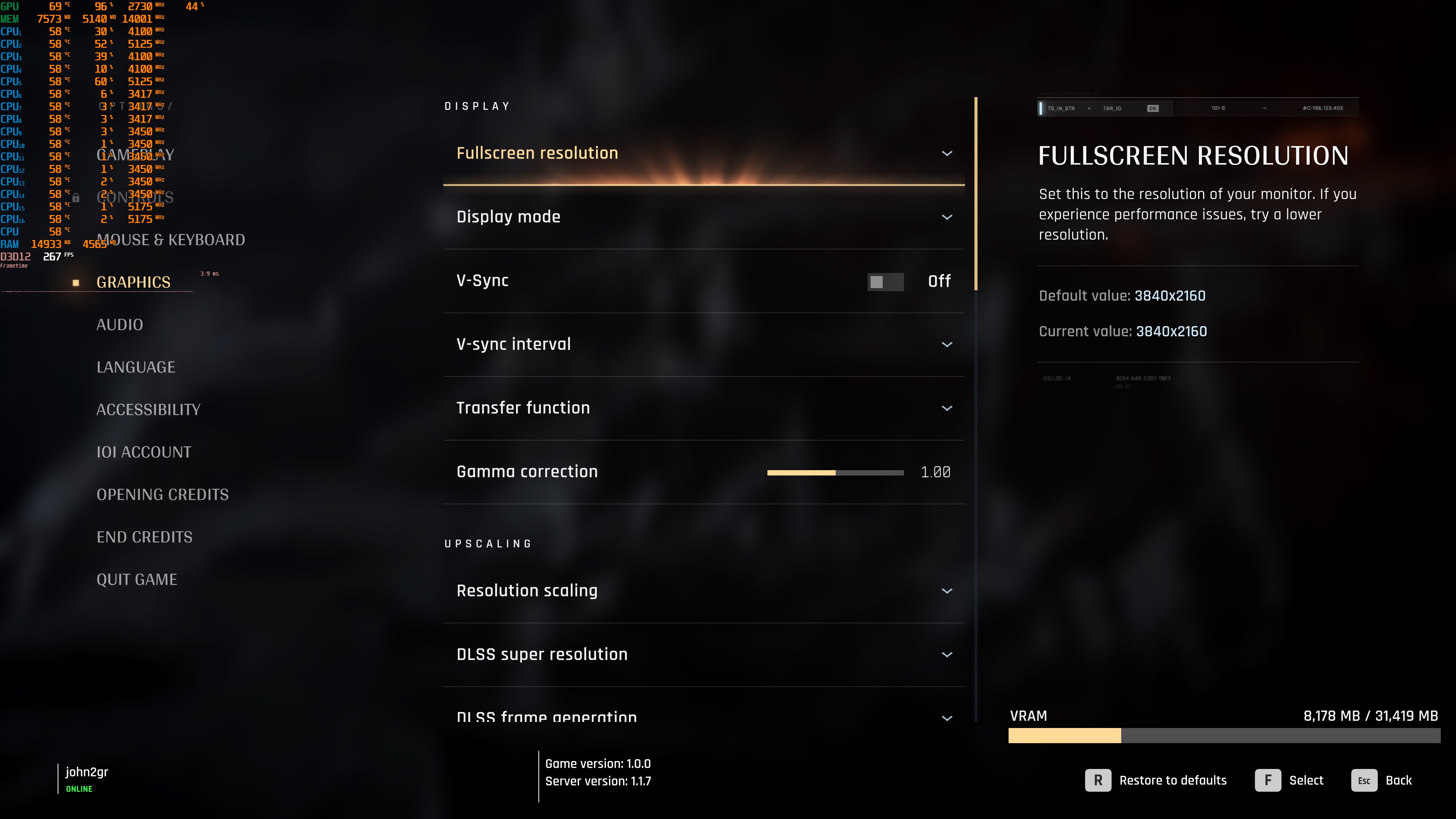
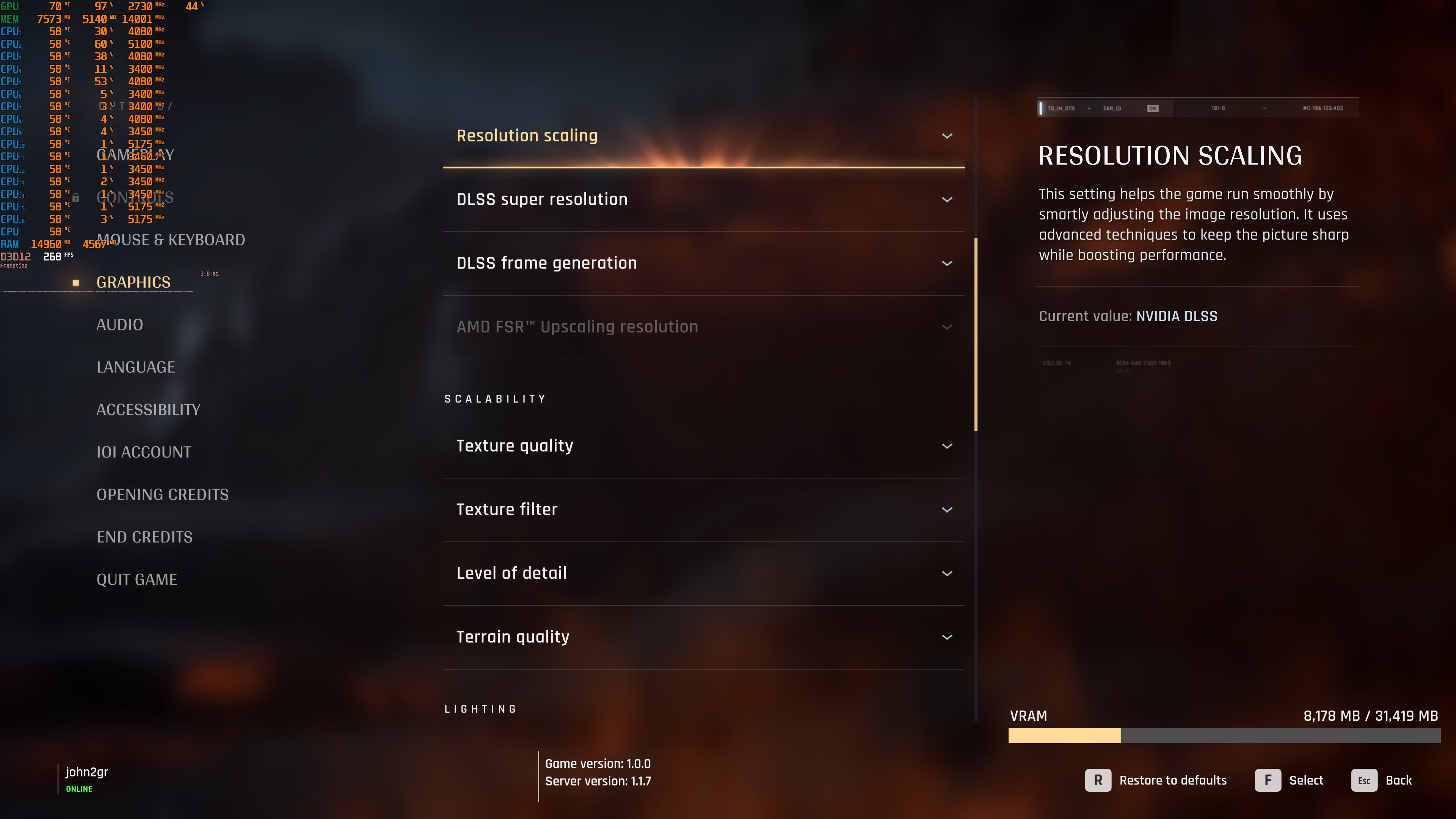
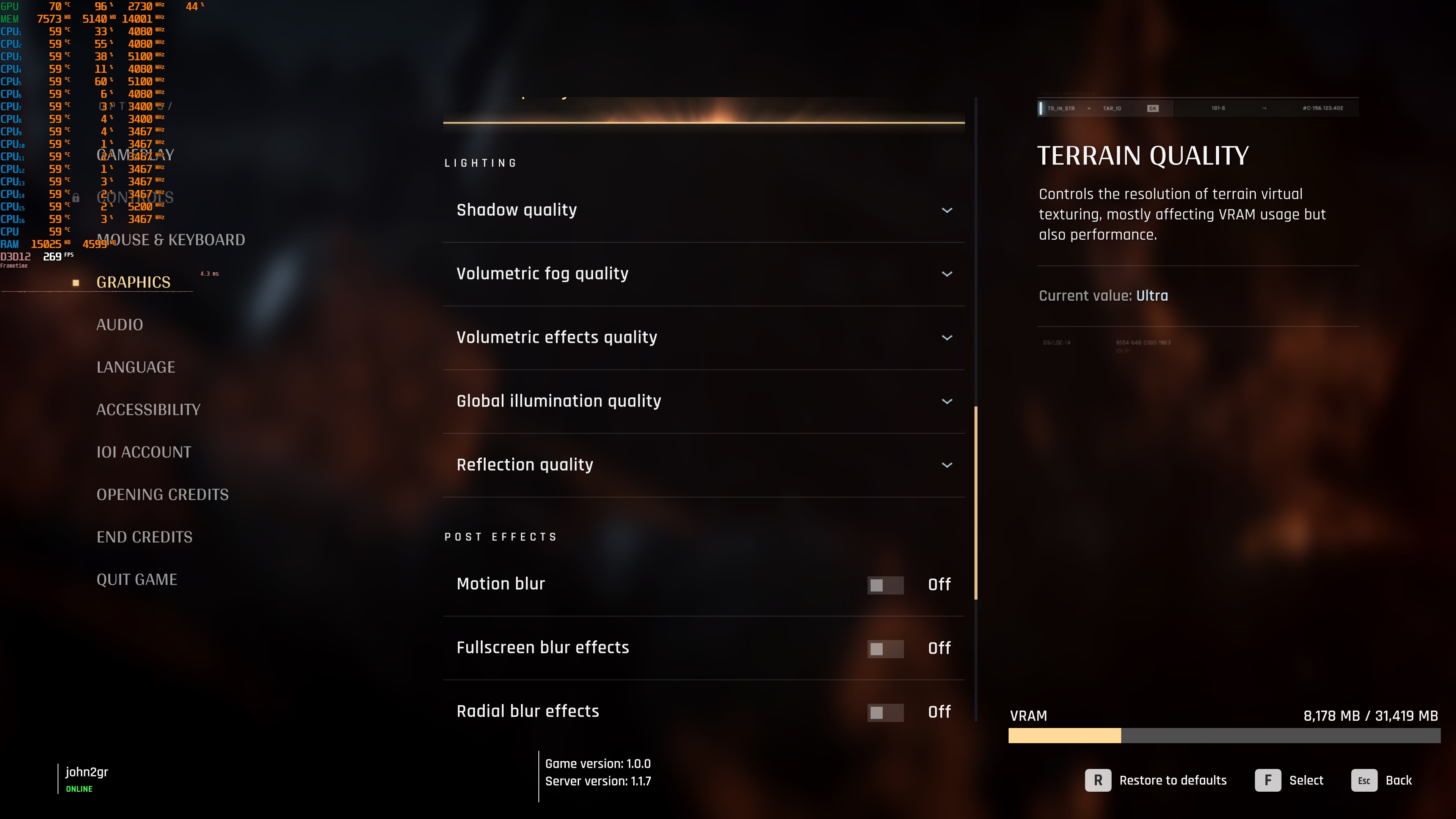
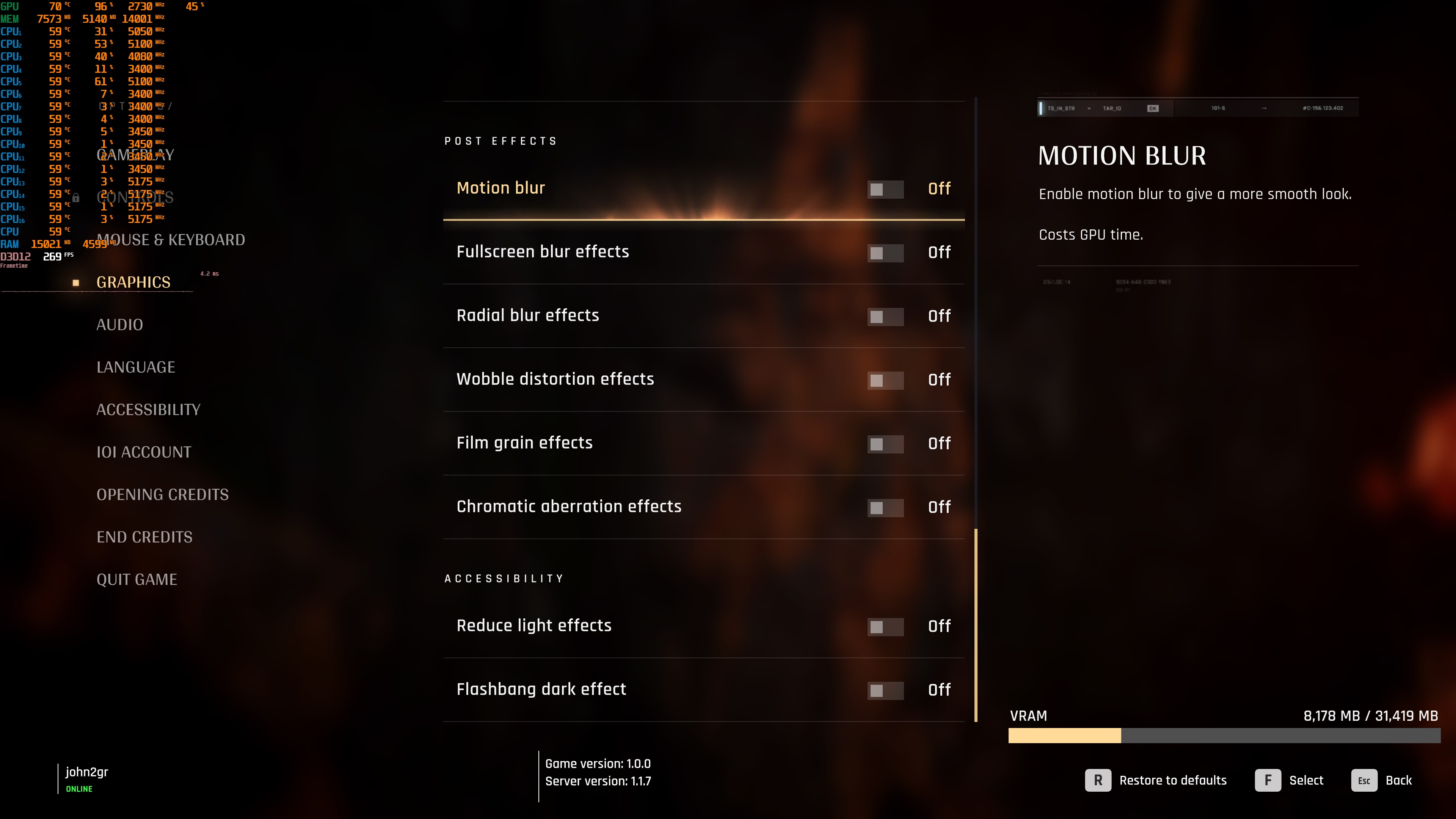
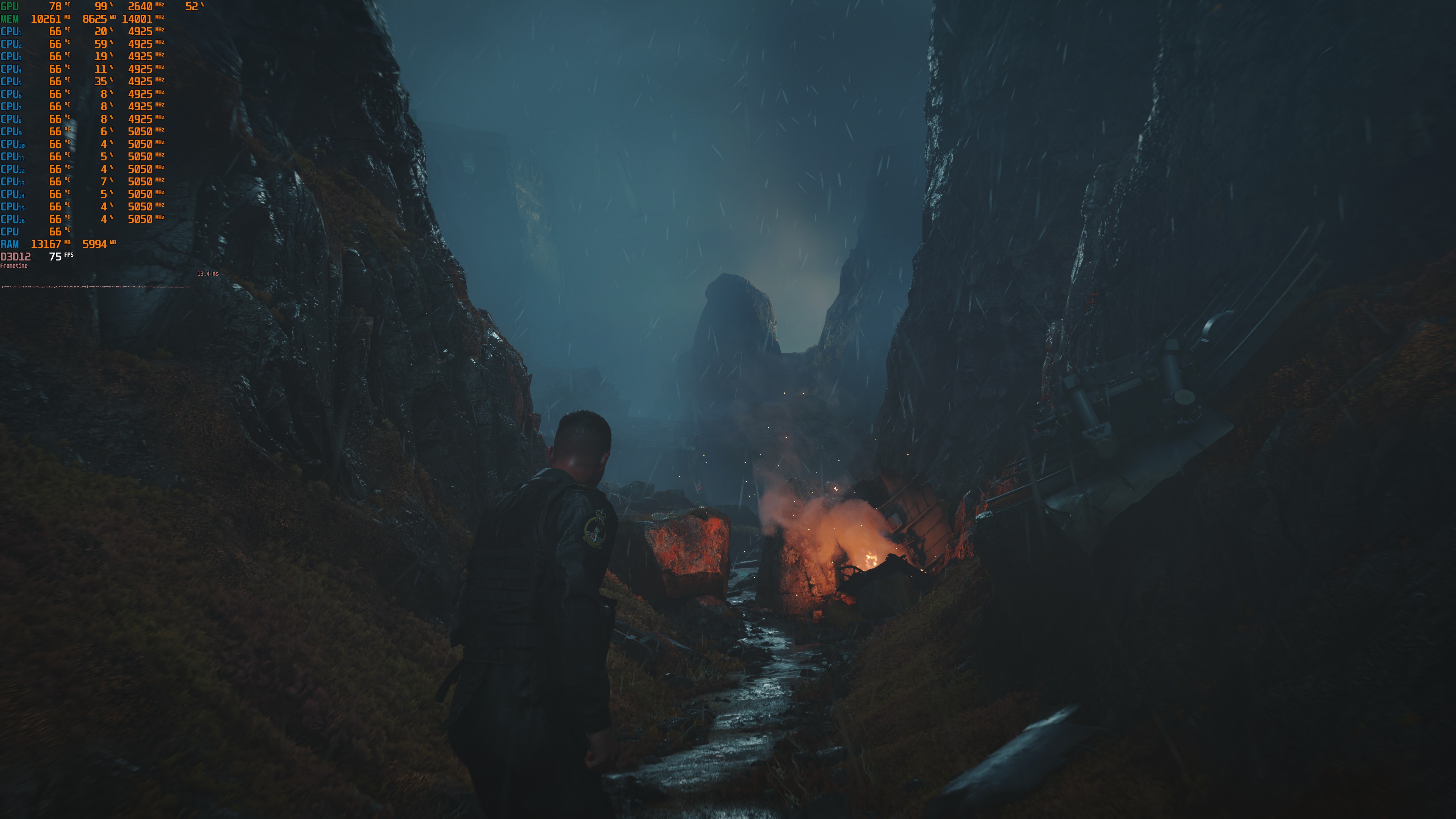
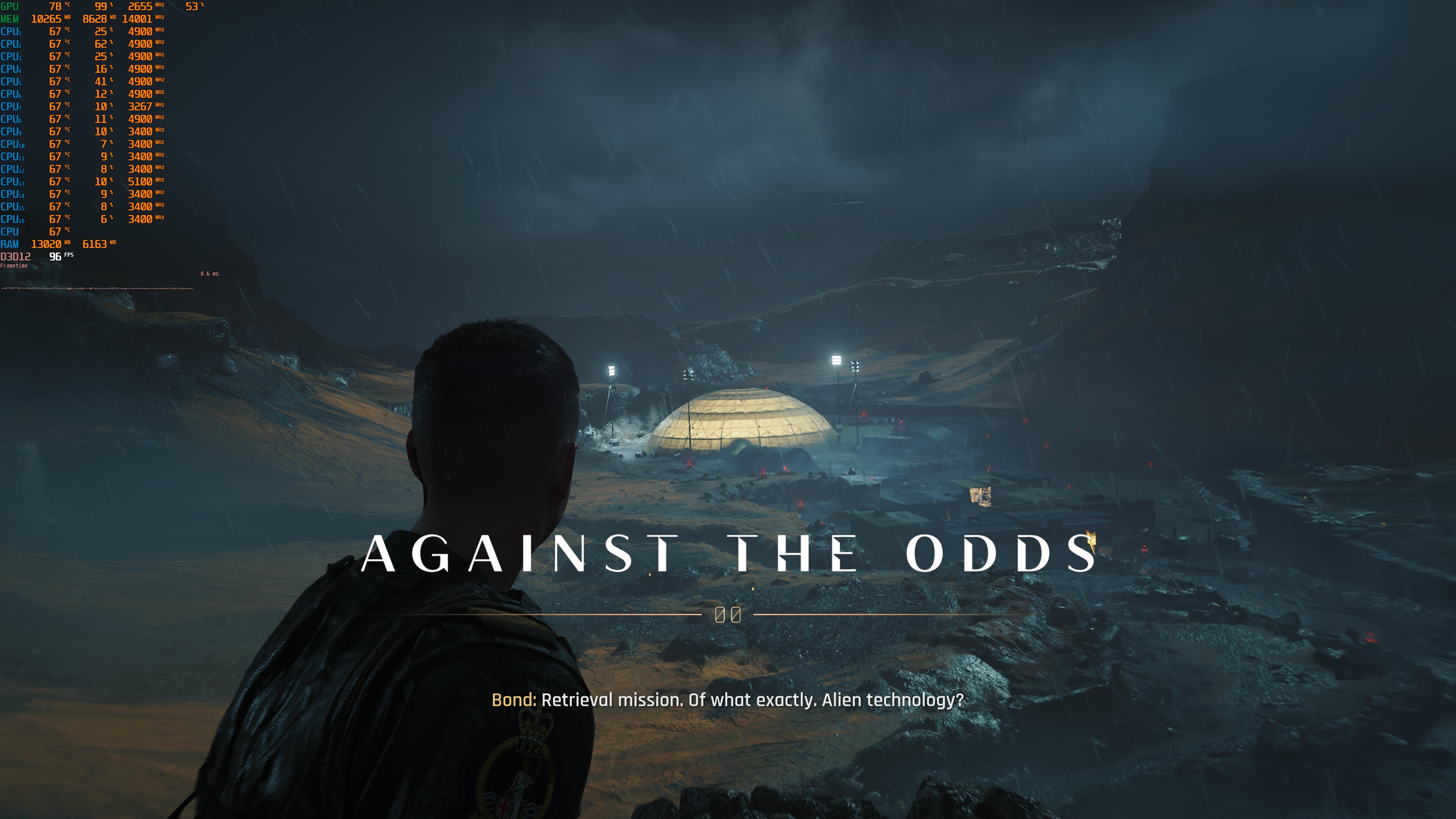
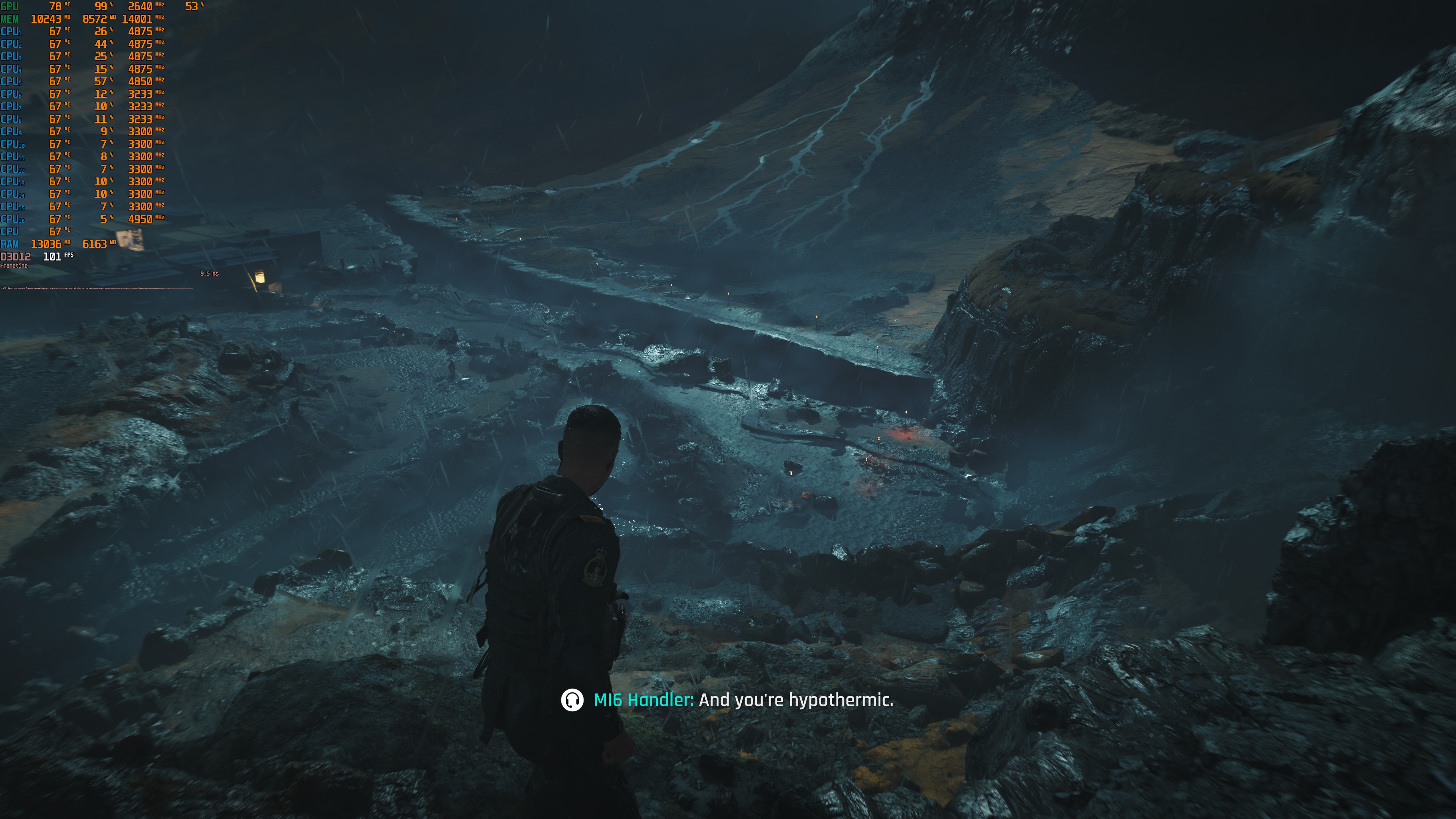
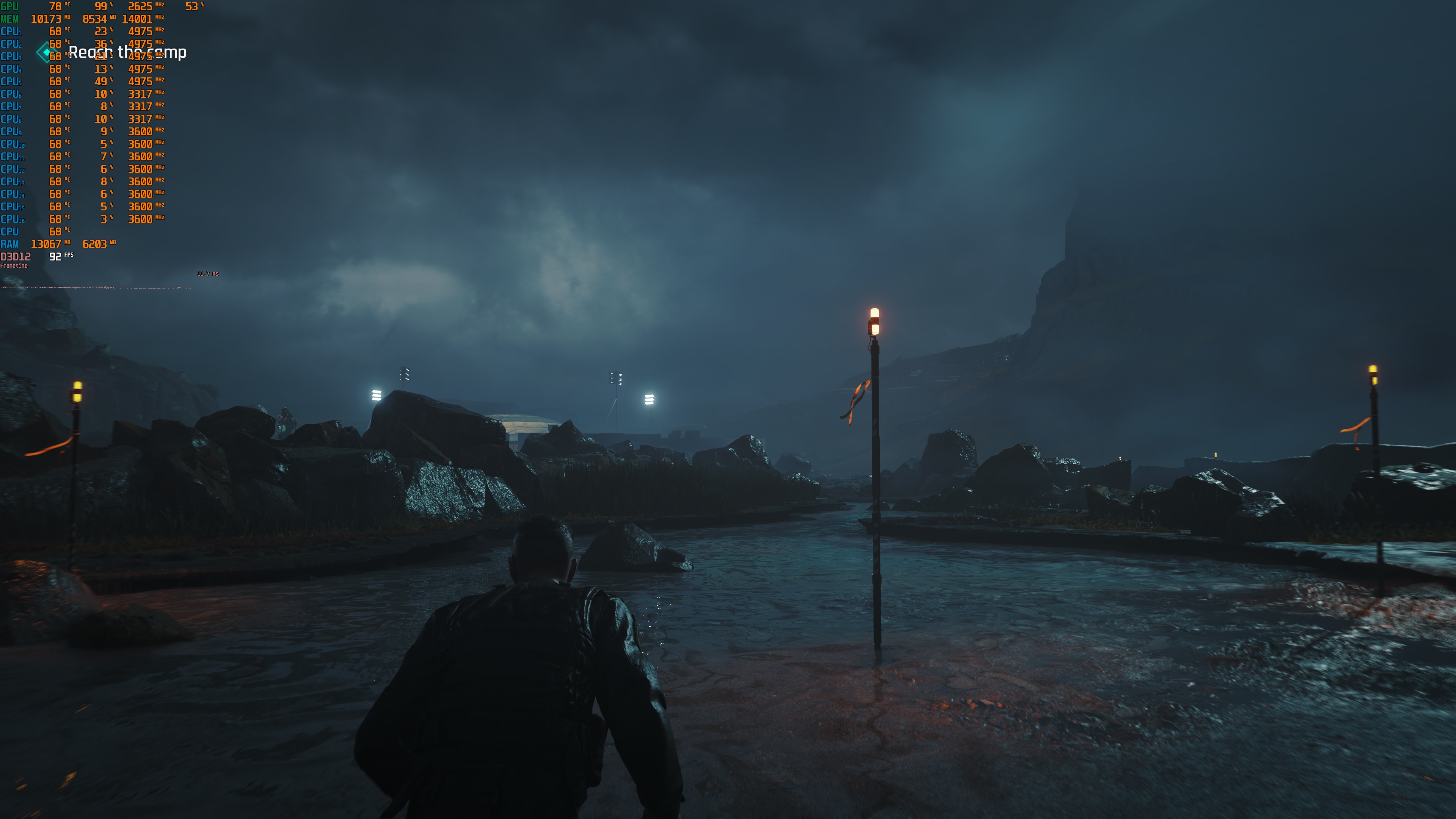
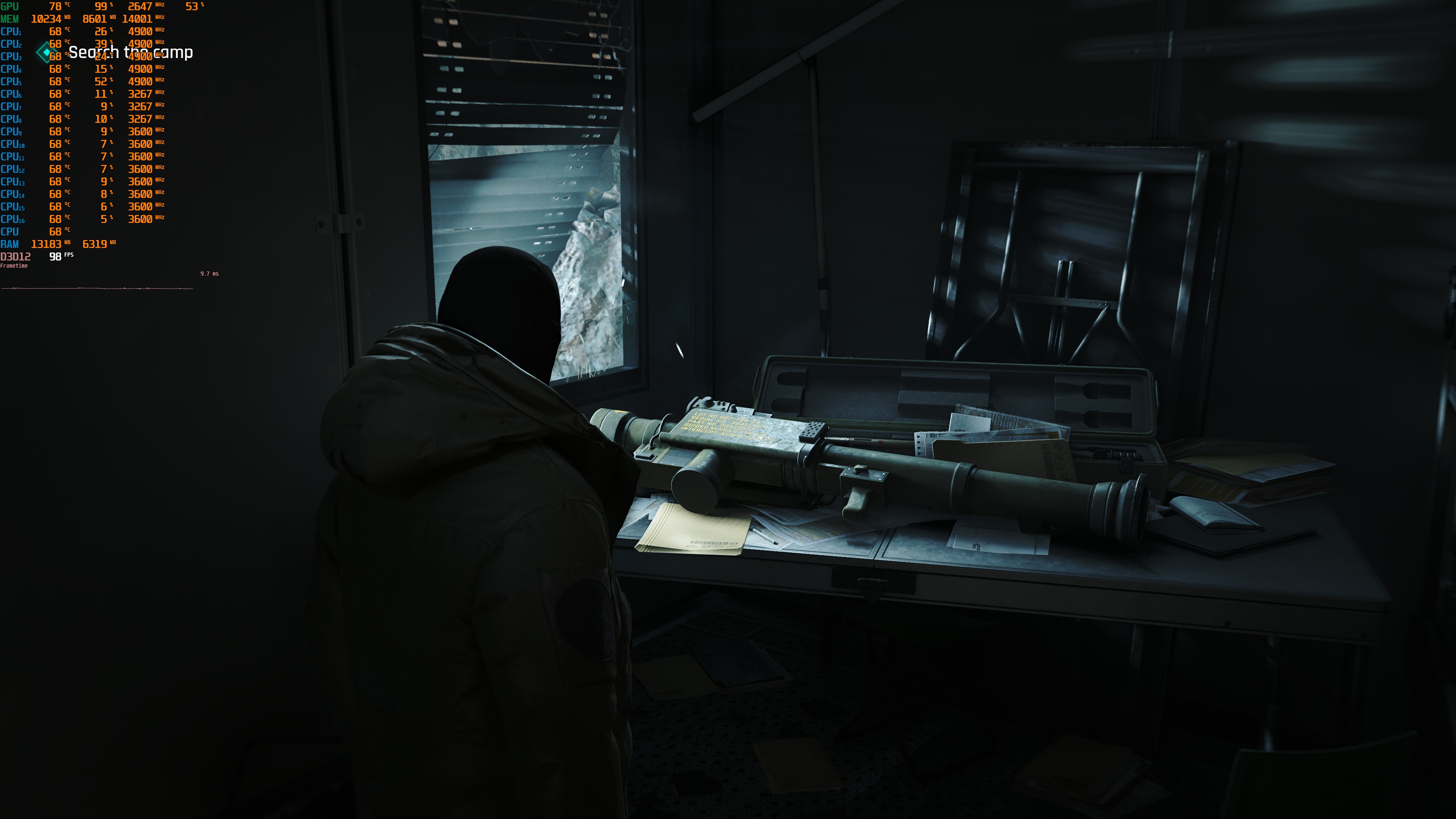
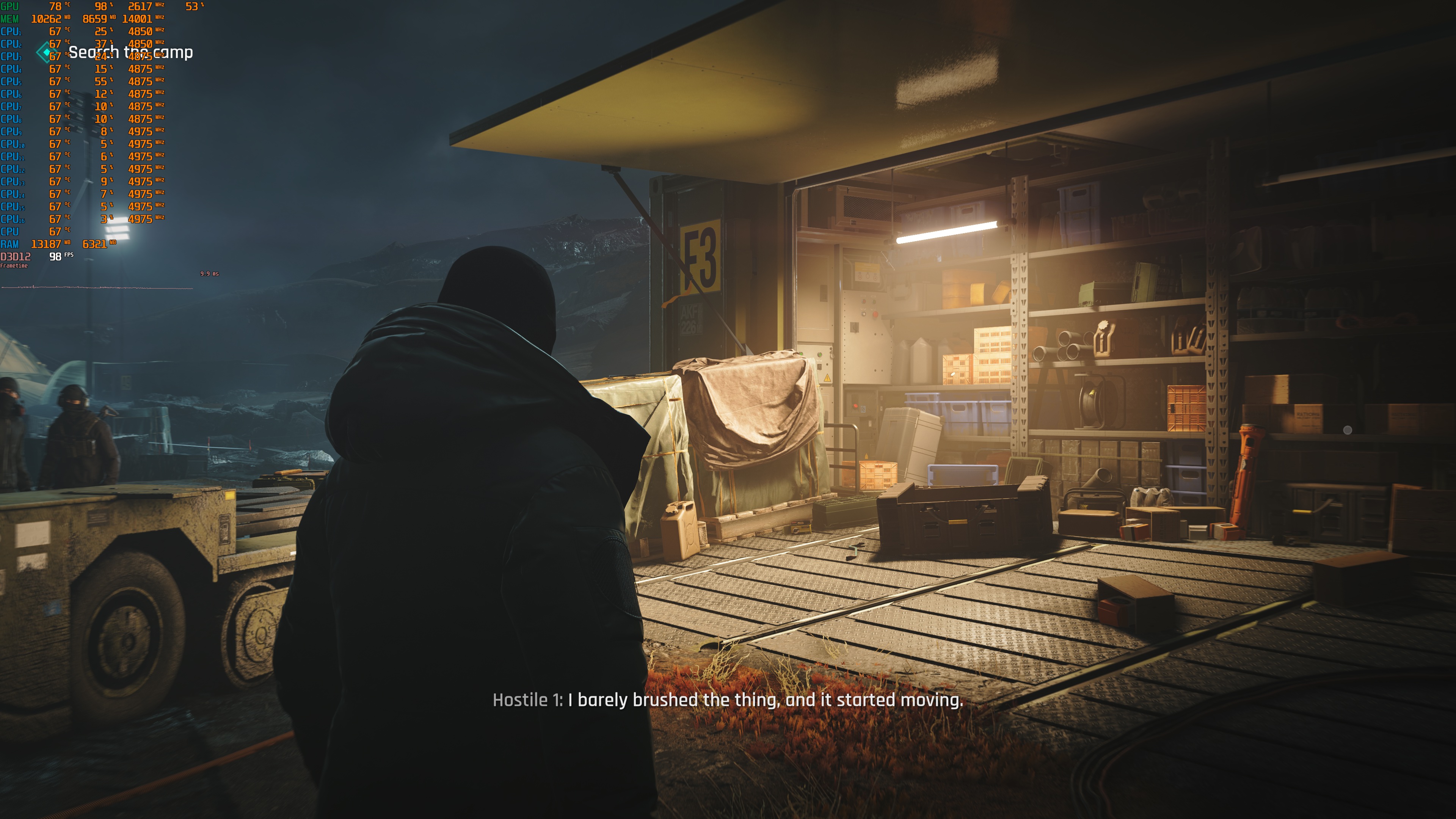
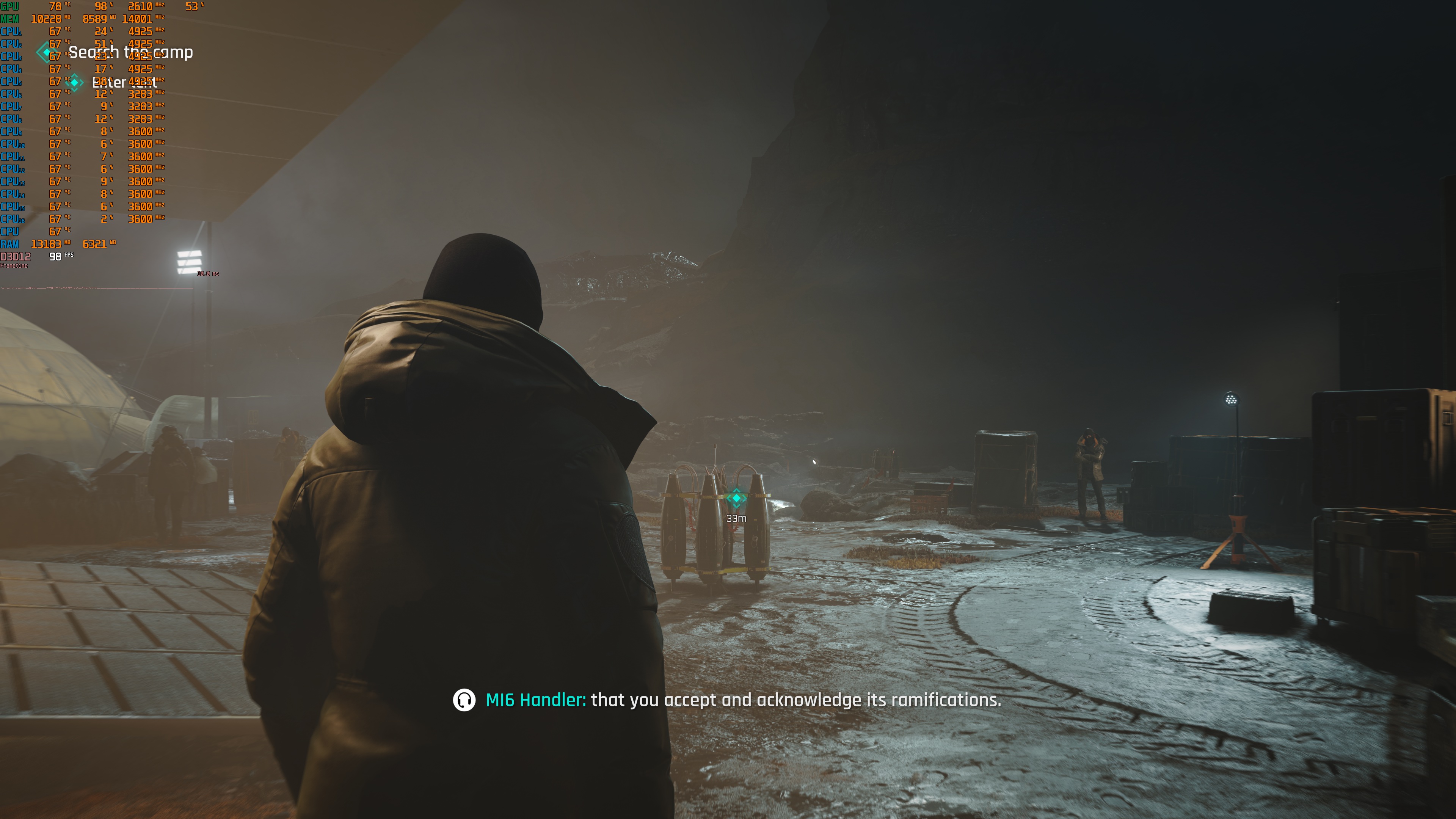
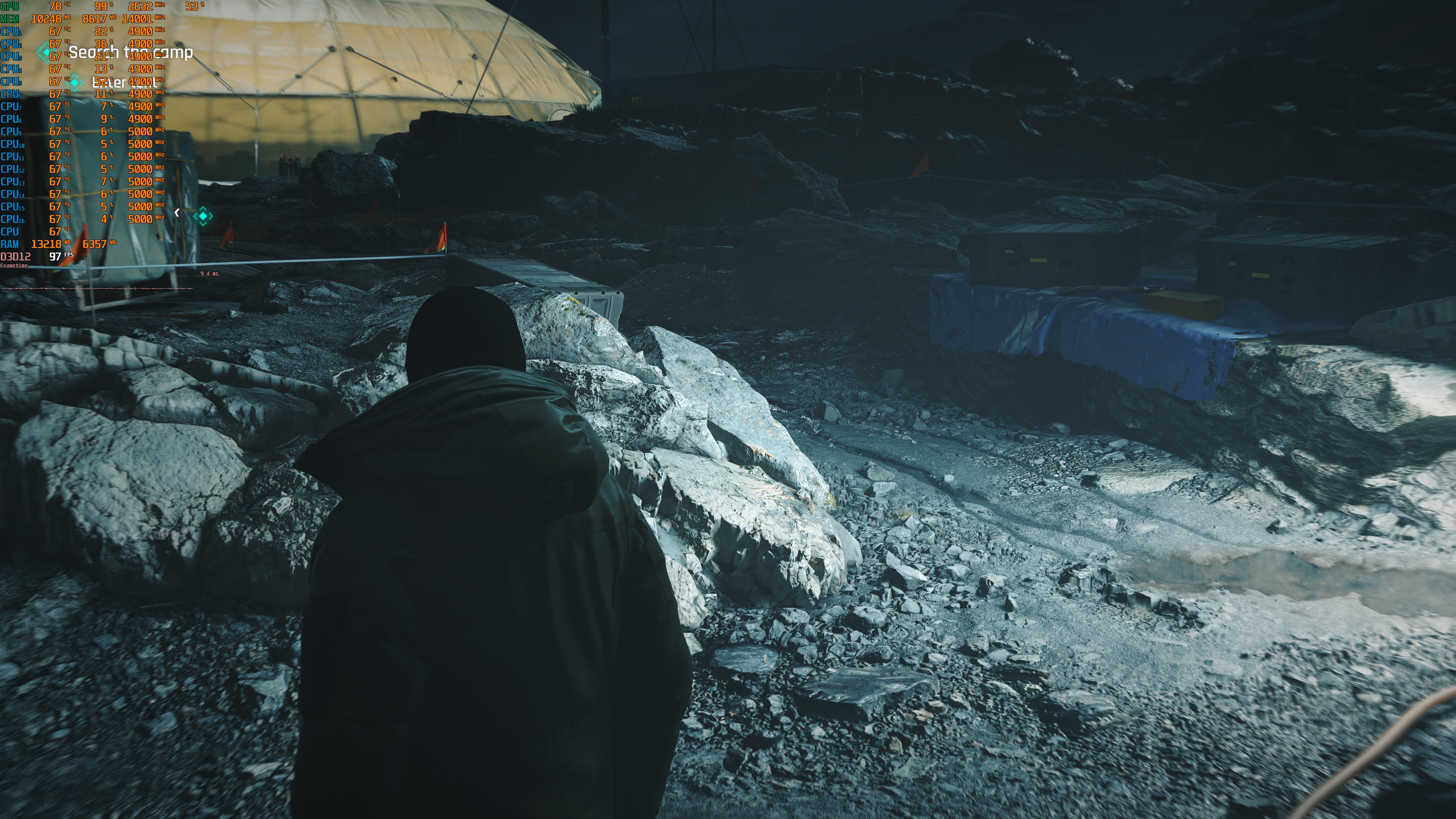
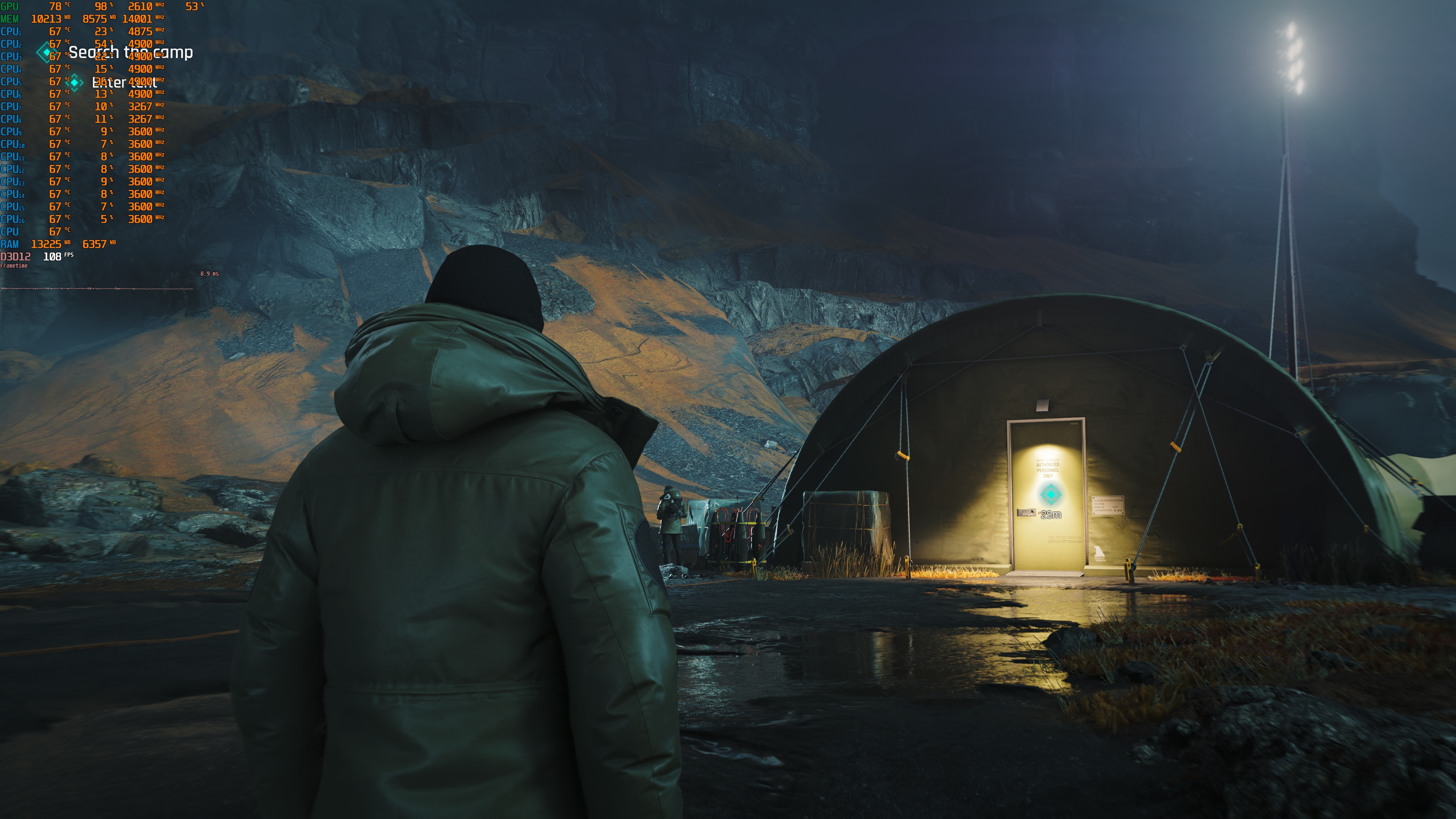
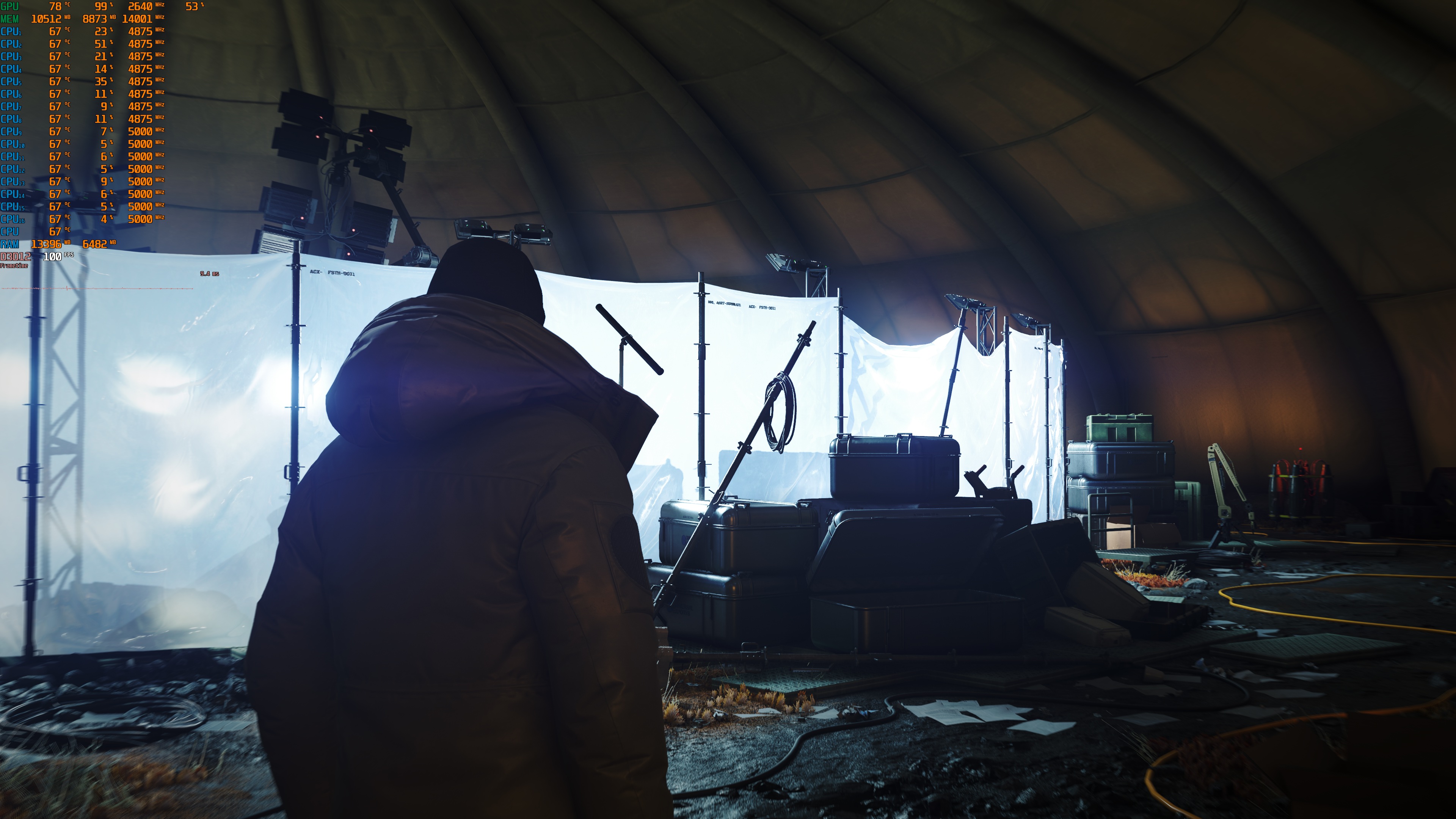
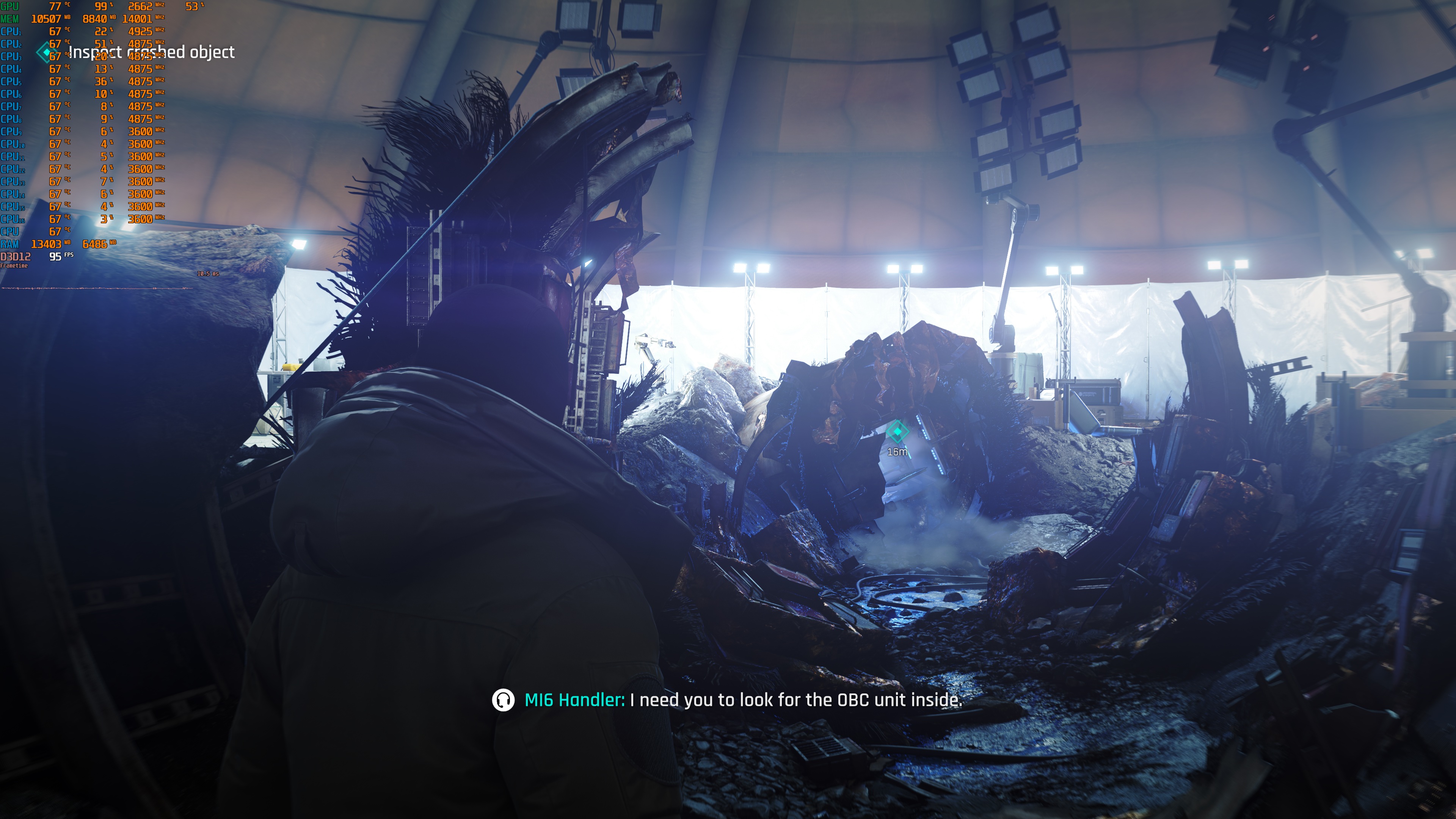
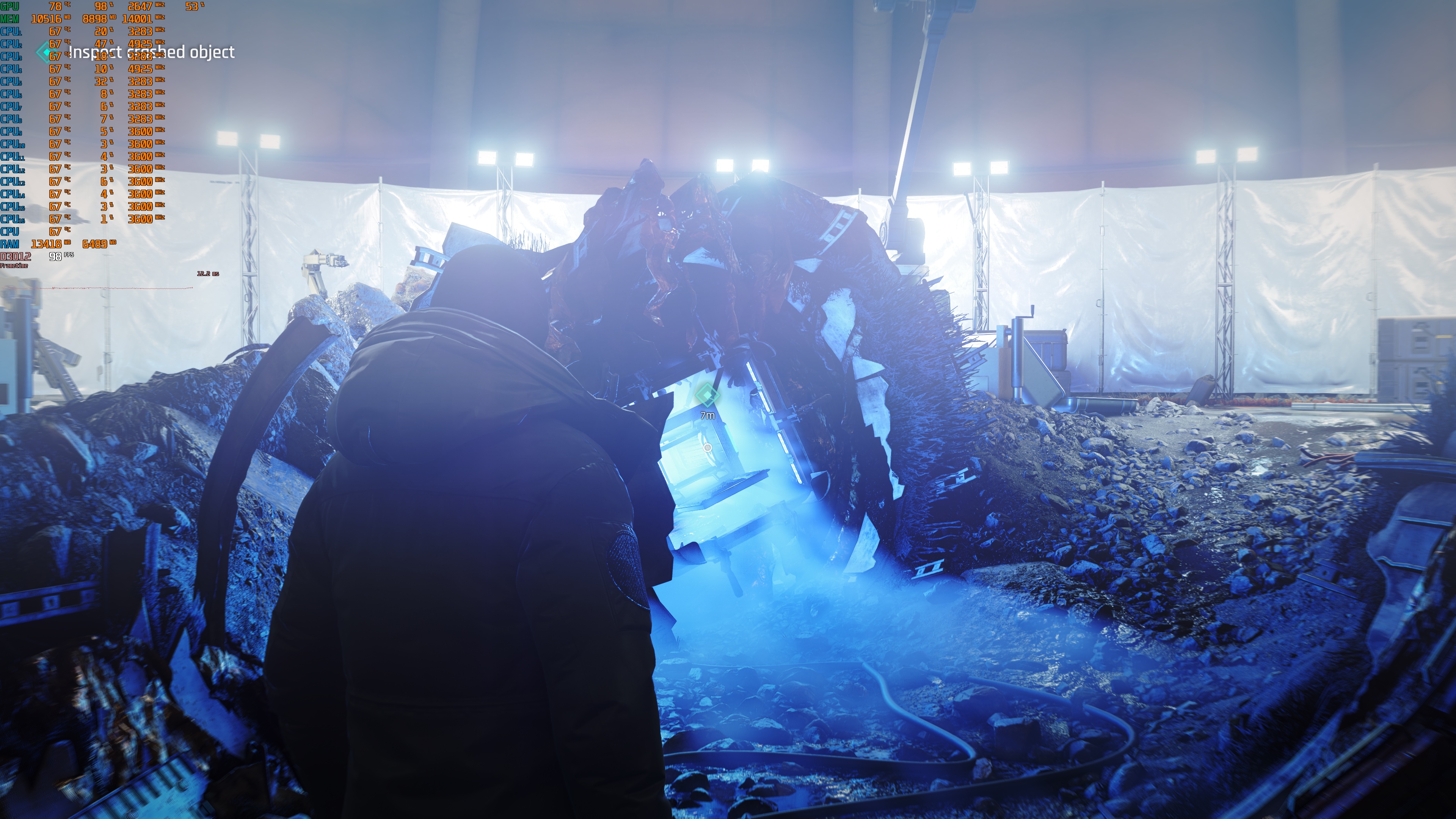
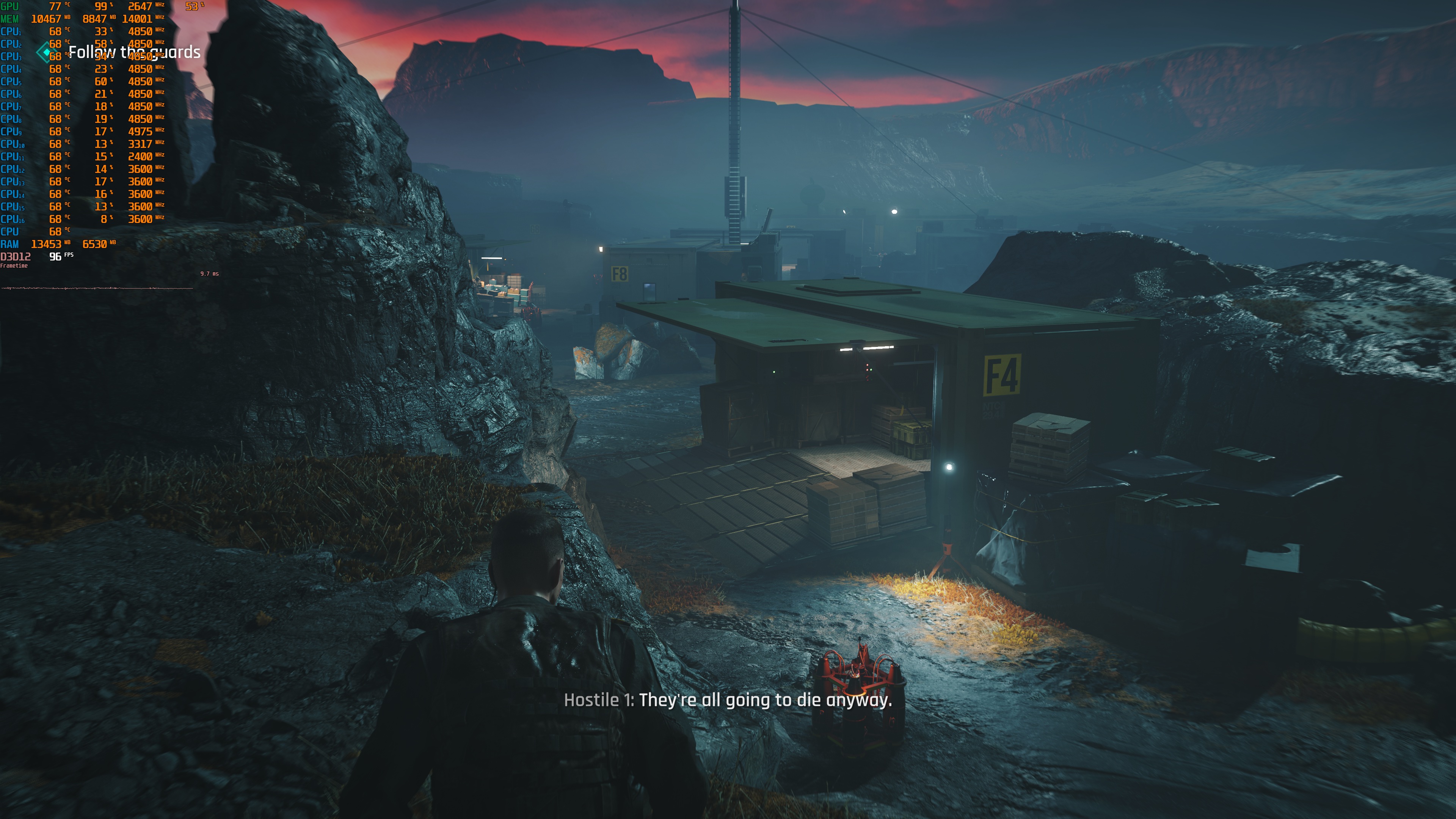
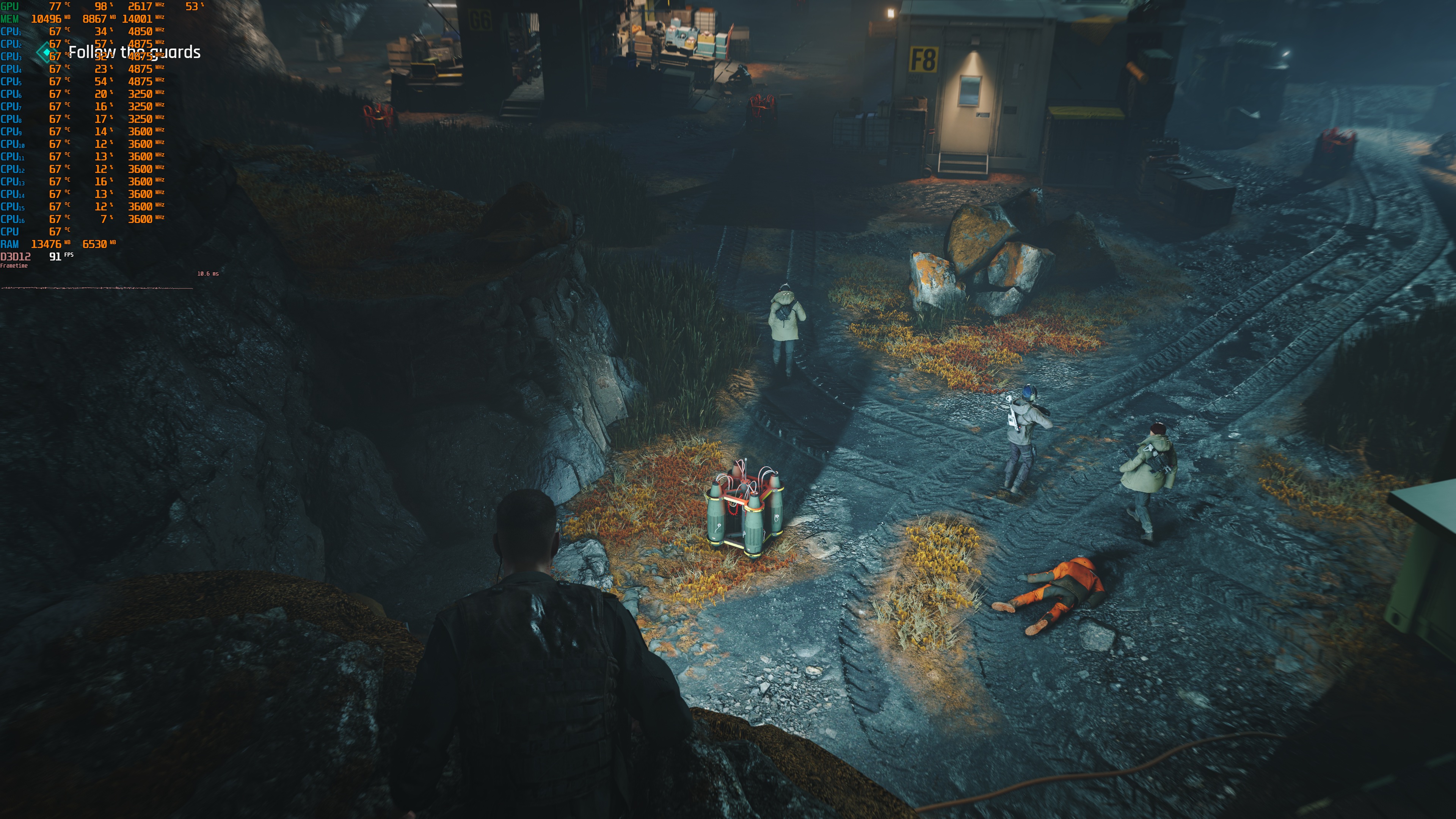
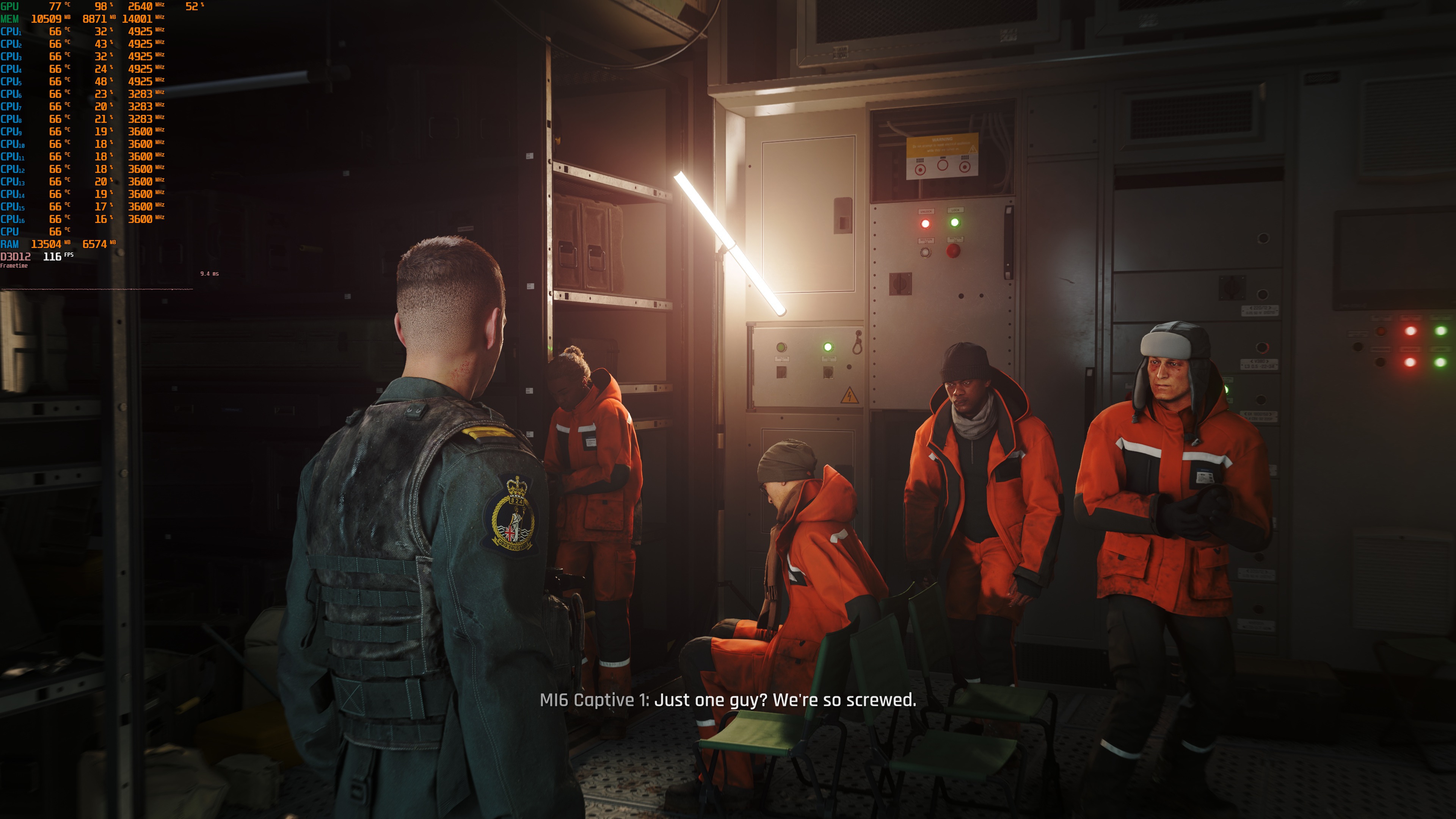
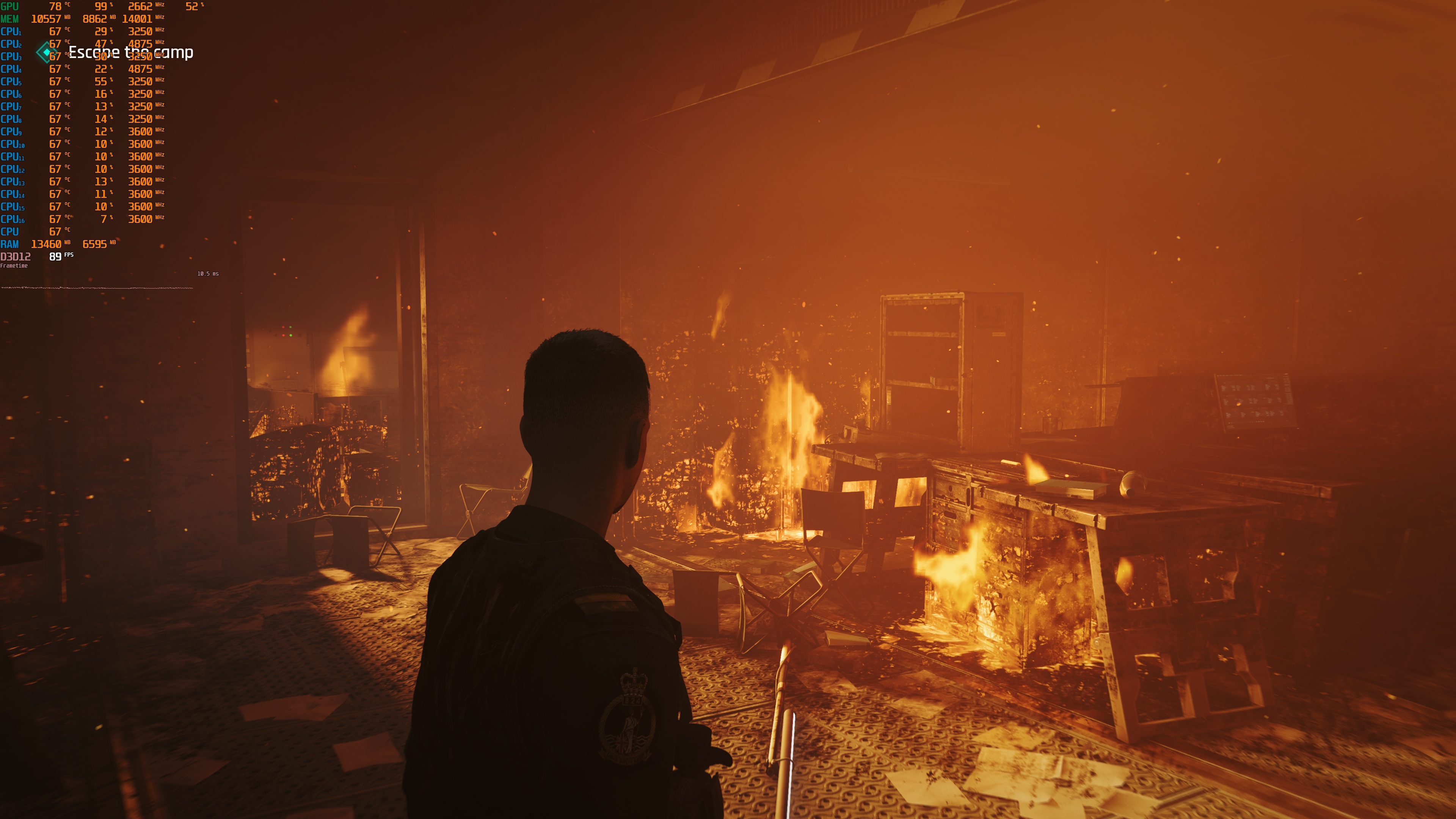
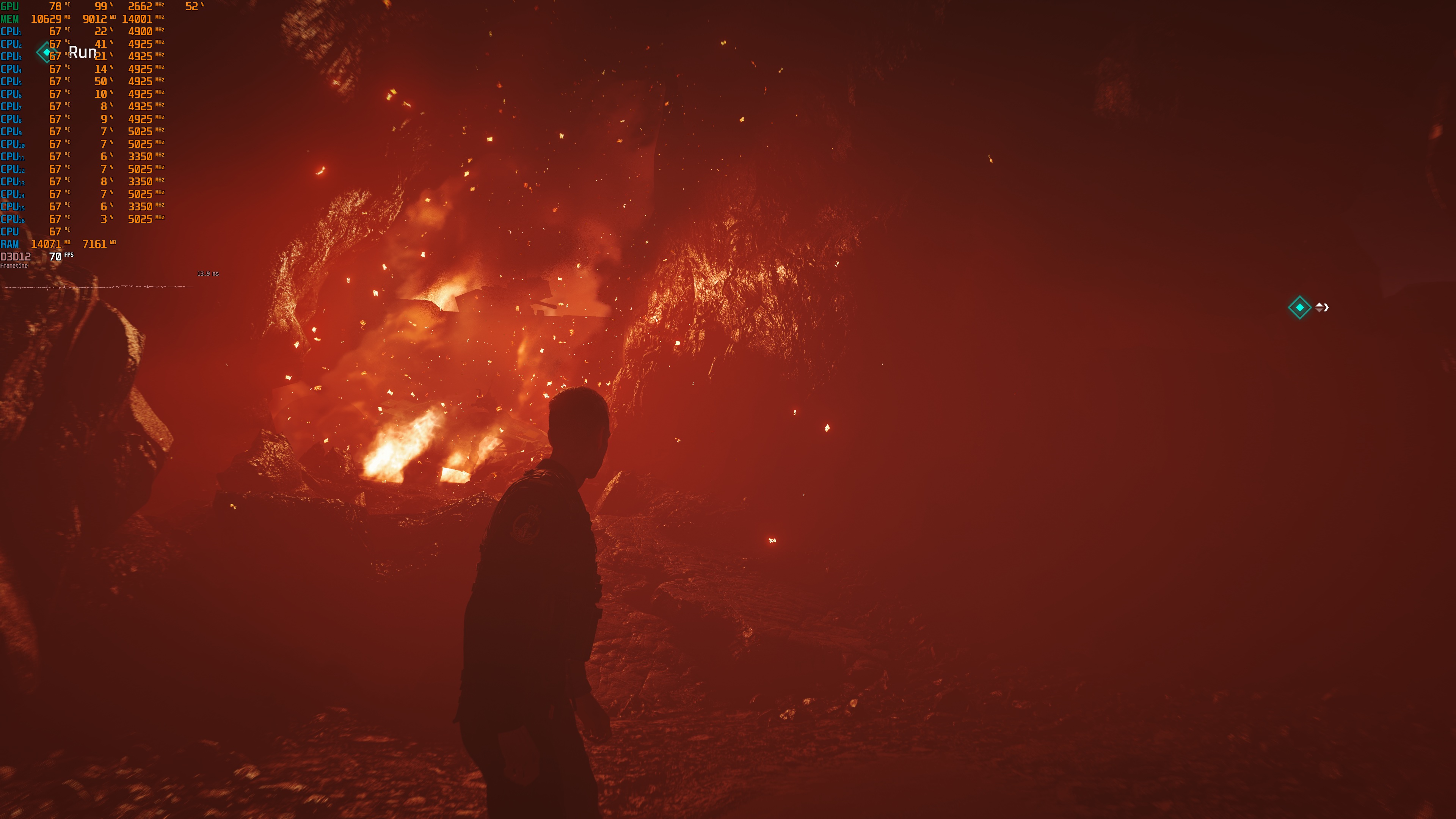
007 First Light does not include a built-in benchmark tool. For our benchmarks, I used the following action-packed scripted sequence. This appeared to be one of the most demanding scenes in the game. As such, it should provide a representative look at overall performance.

I should also note that at the end of this sequence, there’s a large explosion that significantly drops the framerate. During normal gameplay, I haven’t encountered anything nearly as demanding. So, make sure to focus more on the average framerate rather than the minimum.
007 First Light does not require a high-end CPU. To eliminate any GPU bottlenecks, I had to run the game at 720p. And, even at that low resolution, my NVIDIA RTX 5090 was used at around 75-90%. So, there is no point in testing different CPU configurations. Most of you will be limited by your GPU and not by your CPU.
Except for the NVIDIA RTX 2080Ti, all of our GPUs were able to provide a 60FPS experience at 1080p on Ultra Settings. 007 First Light is a rasterized game, and it does not currently have any Ray Tracing or Path Tracing effects. So, this level of performance should not come as a surprise.
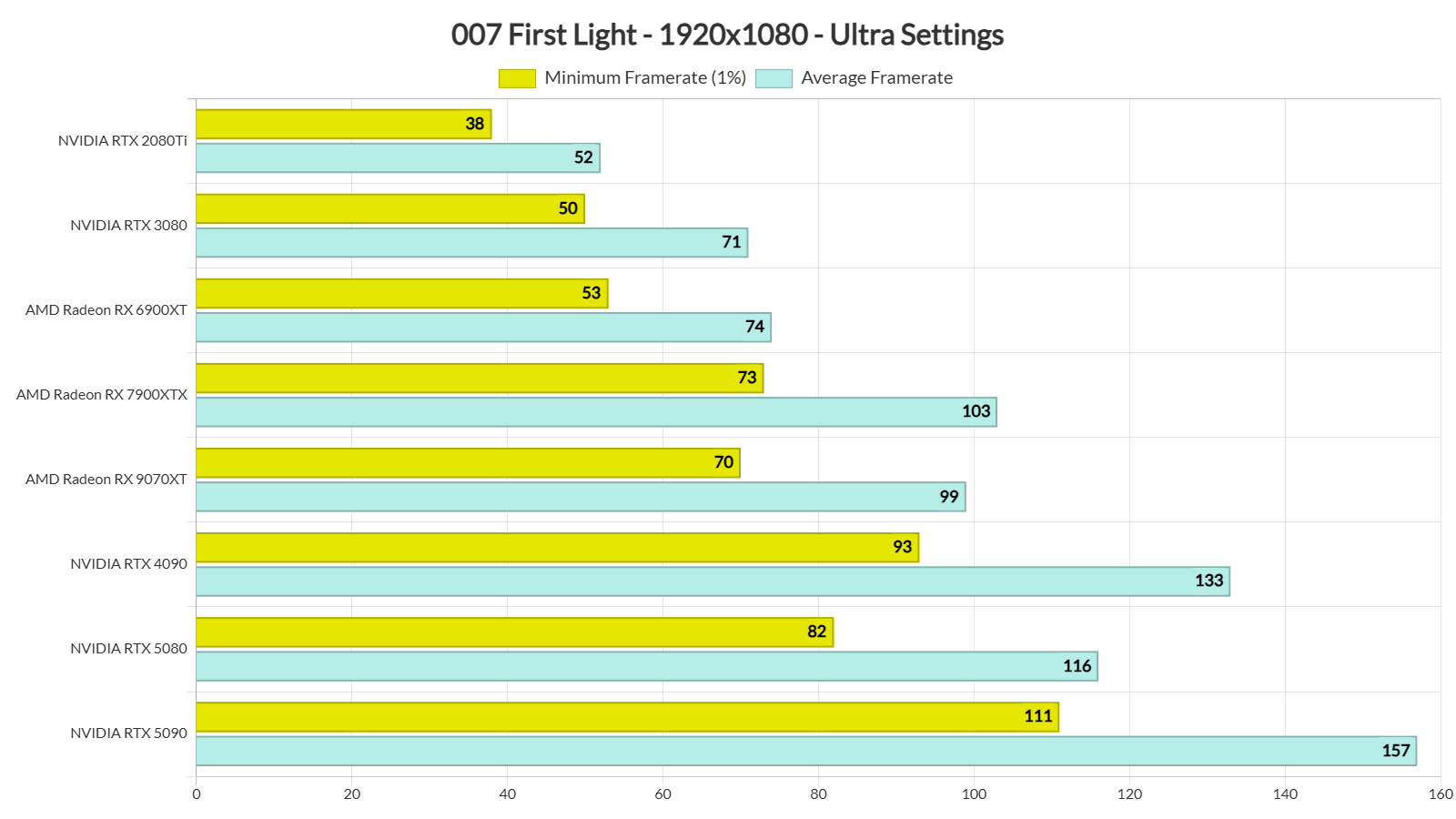
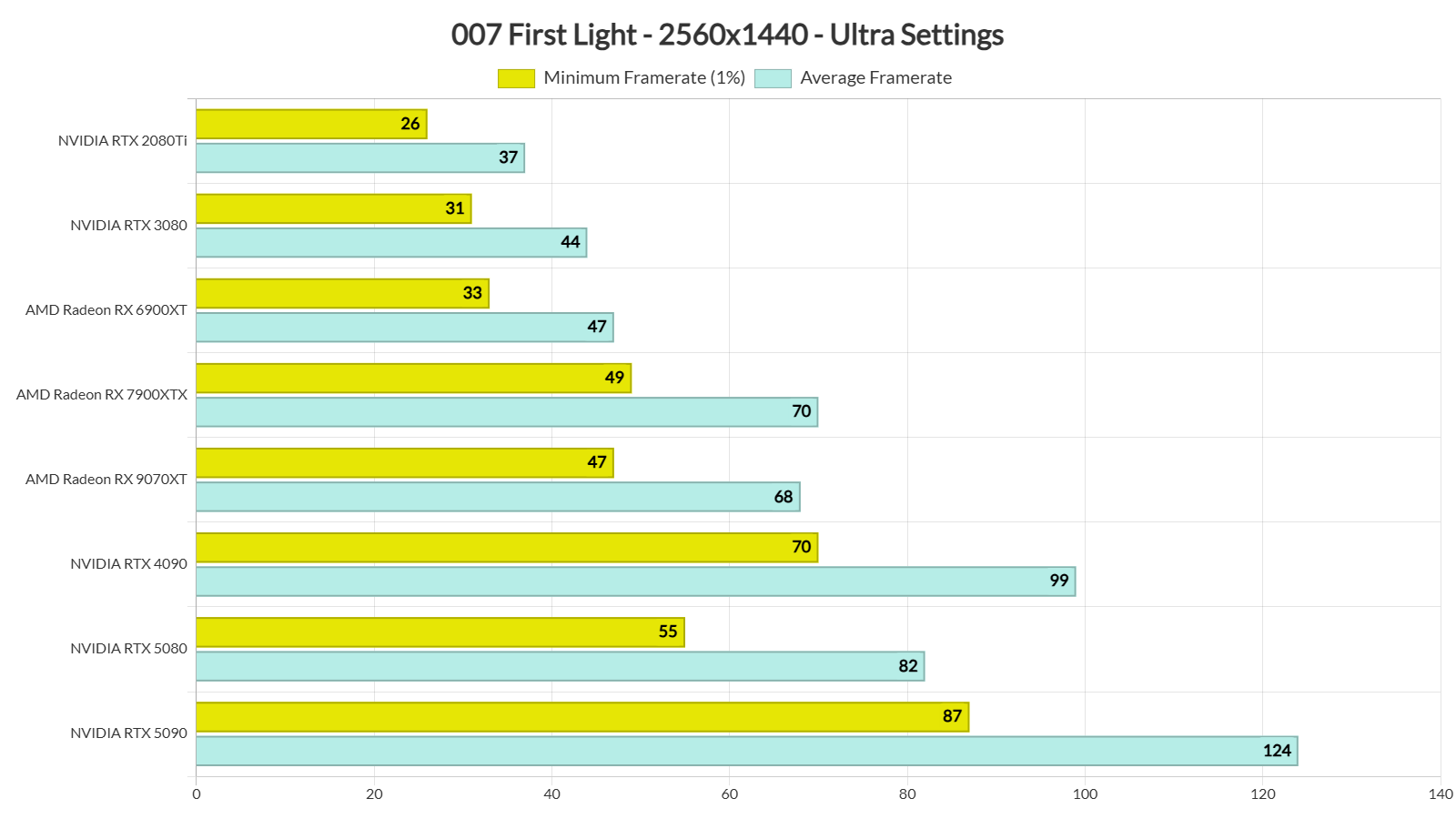
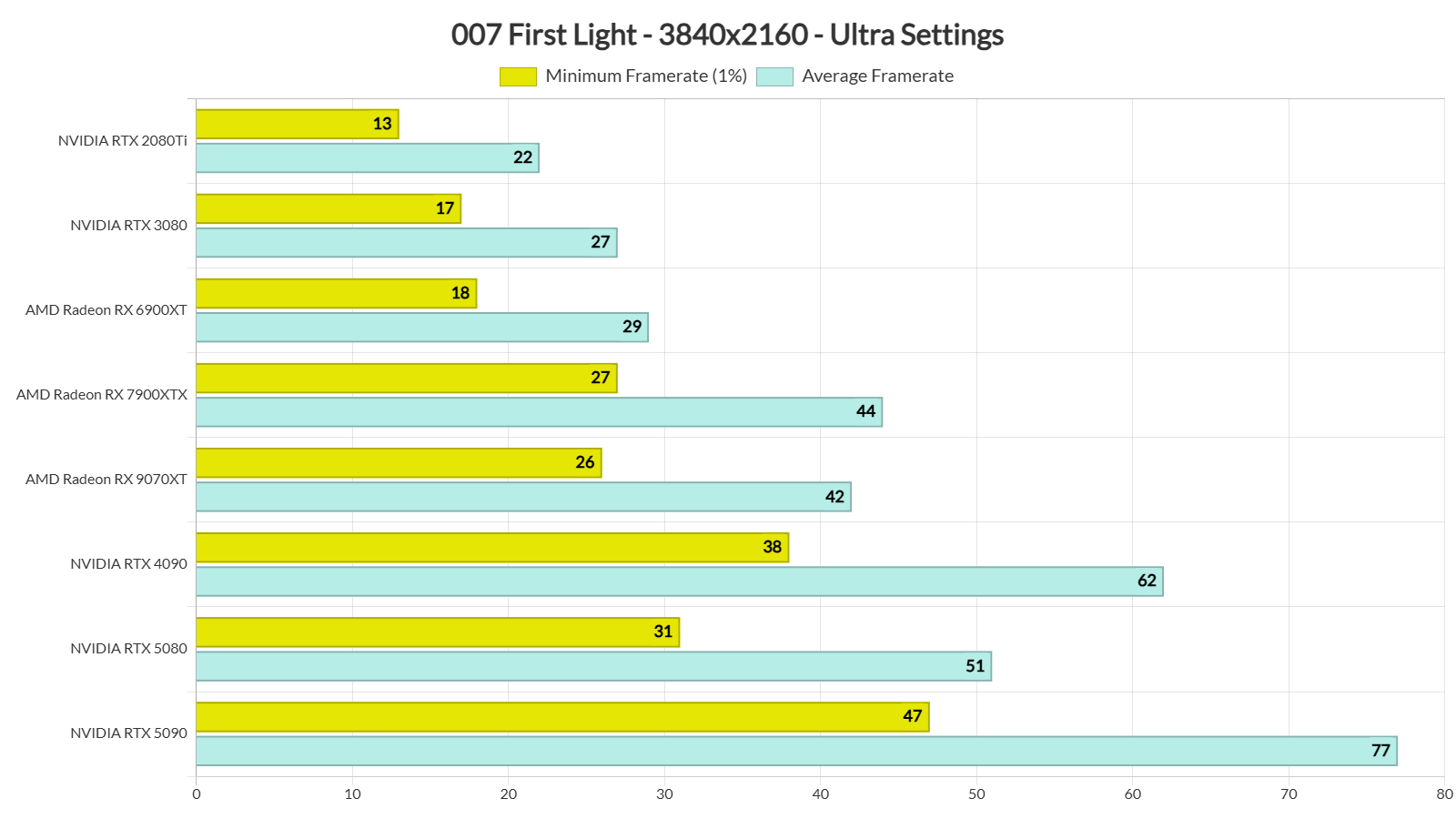
Things get a bit more demanding at native 1440p. At that resolution, our top five GPUs were able to provide a smooth gaming experience. As for Native 4K, the only GPU that was able to provide an enjoyable gaming experience was the NVIDIA RTX 5090. The NVIDIA RTX 4090 was also able to push an average of 62FPS, but you will get drops below 60FPS at various points. Thus, you’ll need a G-Sync monitor to get a somewhat smooth experience.
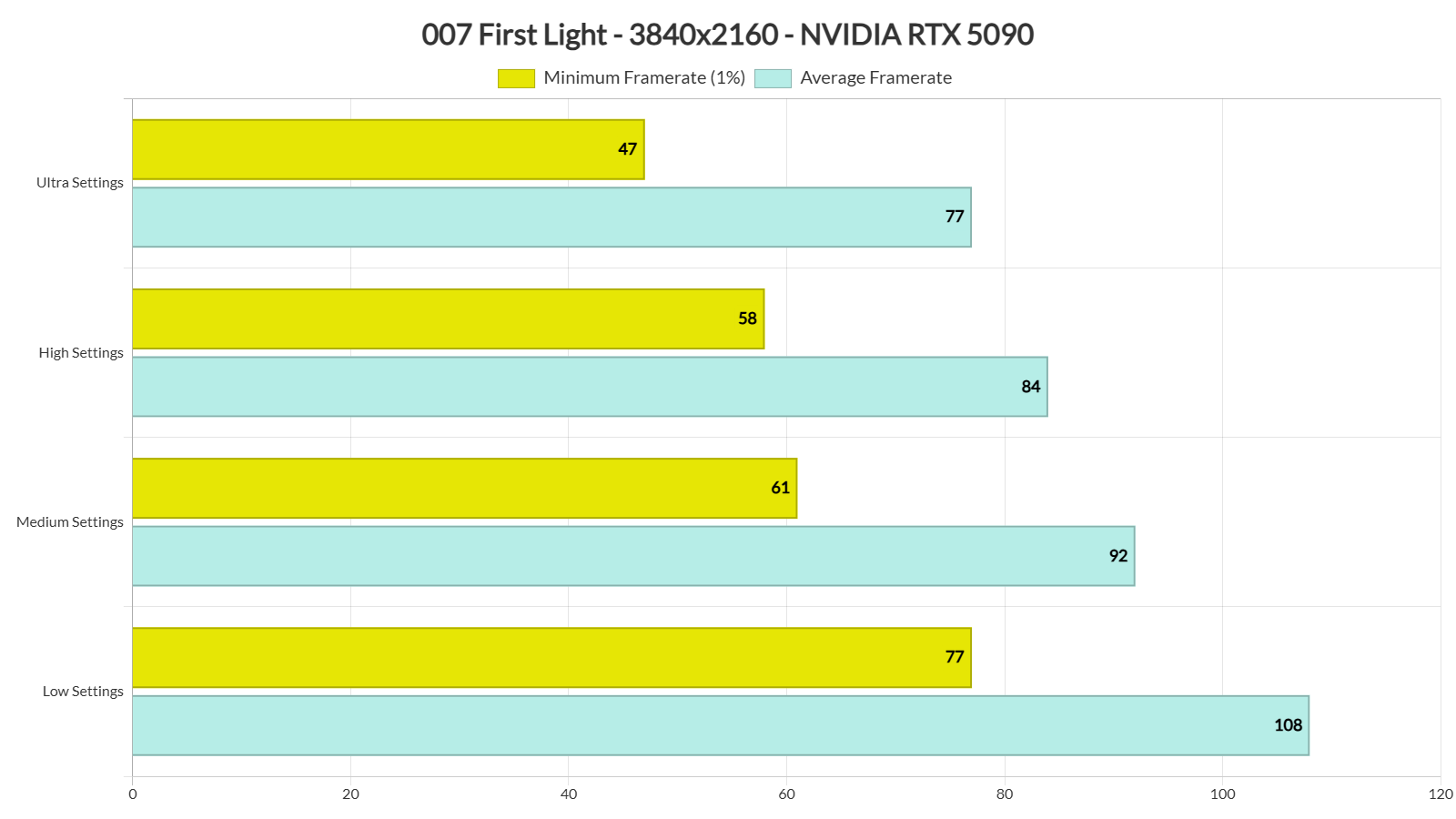
The performance scalability offered by the in-game settings isn’t particularly strong. Dropping to High settings gave us a 23% boost in minimum framerates, but the average framerate increased by only 9%. Medium settings improved performance by roughly 10%, and finally, Low settings provided an additional 17% increase.
As I said, 007 First Light supports NVIDIA DLSS 4.5. This means that we get native support for MFG X5 and X6, as well as Dynamic Multi-Frame Gen.
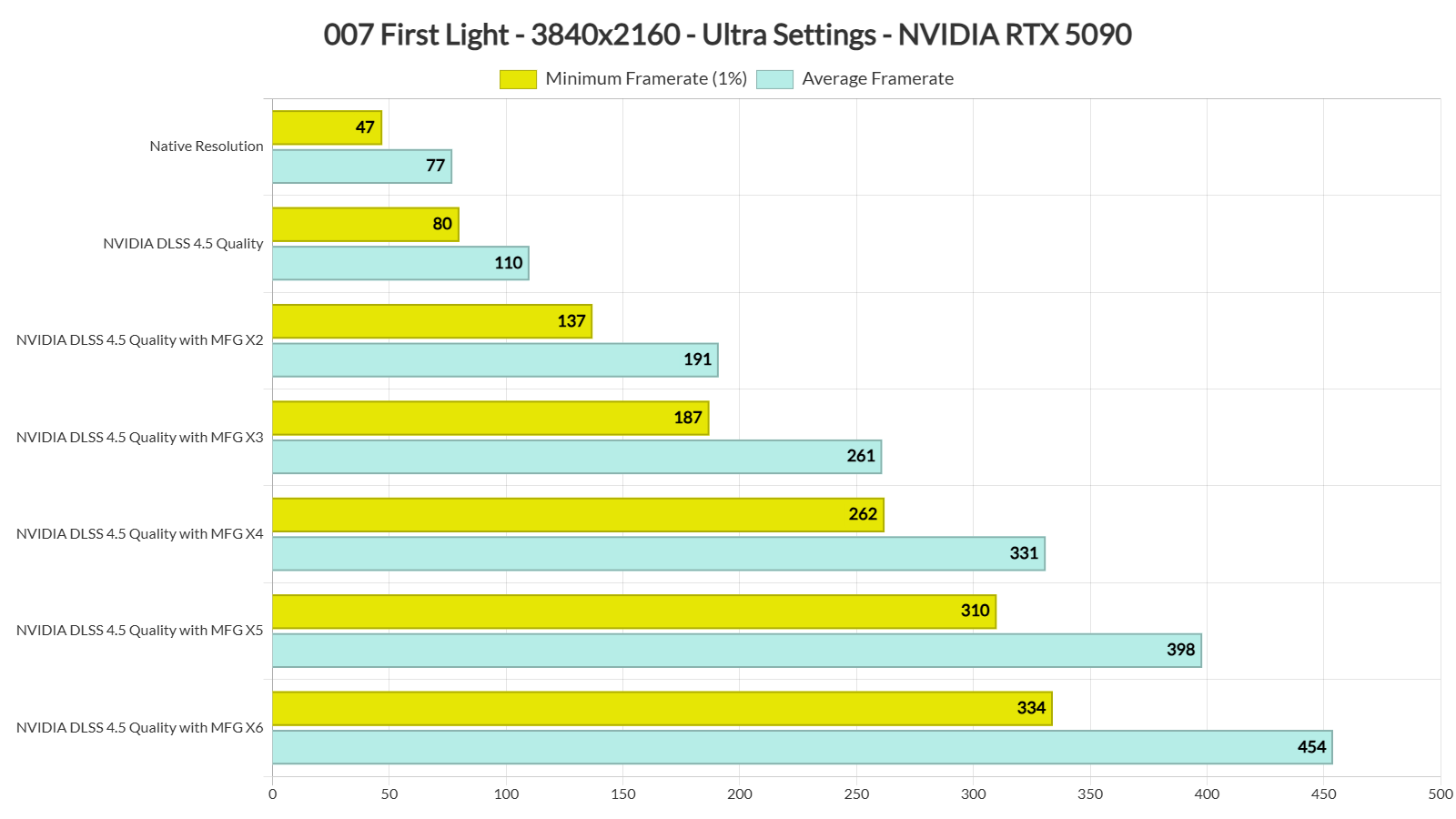
With DLSS 4.5 Quality at 4K on Ultra Settings, we were able to get to a minimum of 80FPS and an average of 110FPS. With MFG X2, we got to 190FPS. Then, with MFG X3, we got to 260FPS. MFG X4 and above provide framerates that will exceed the refresh rate of most 4K monitors. In my opinion, these modes will be useful once we get the Path Tracing update.
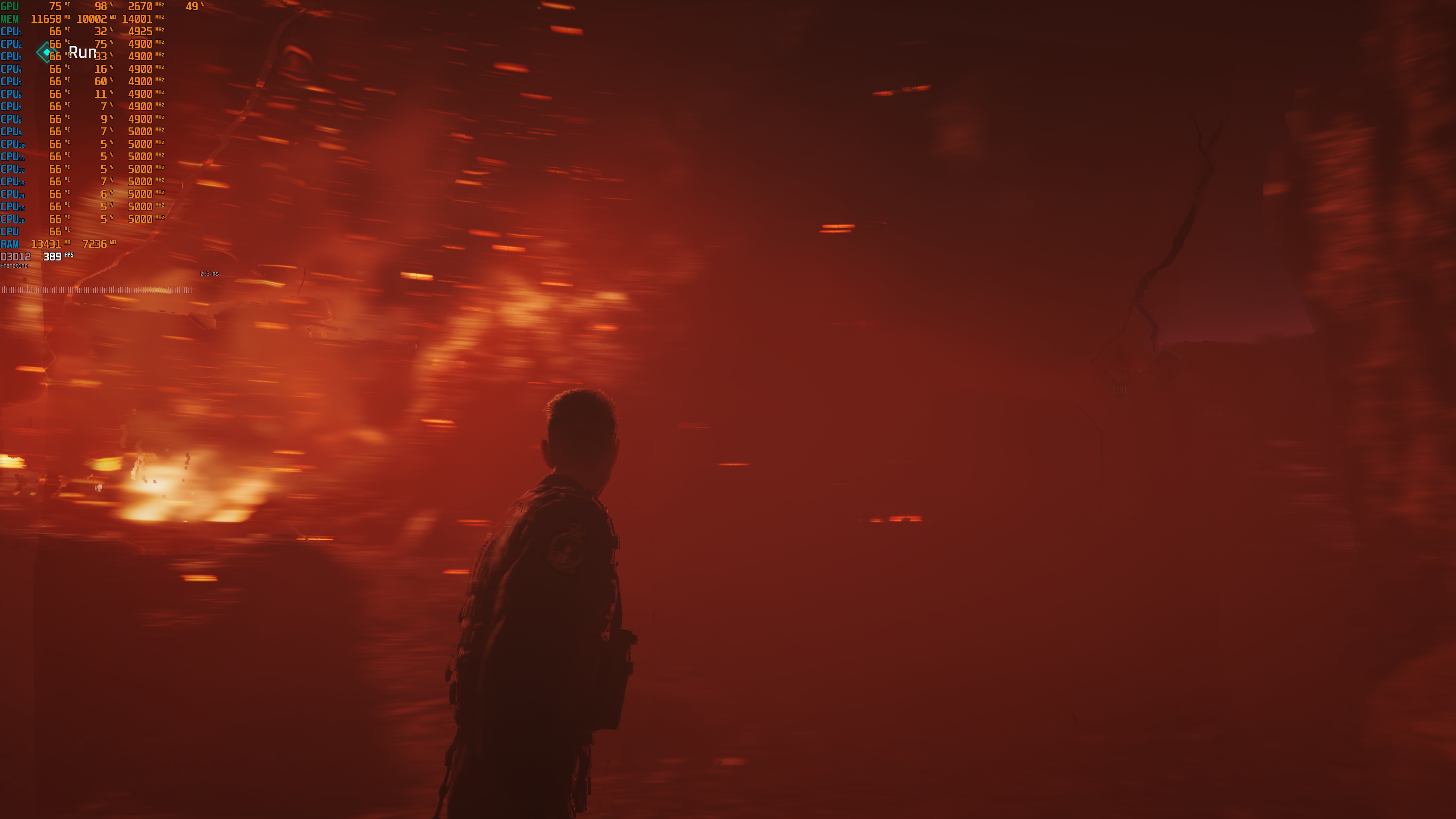
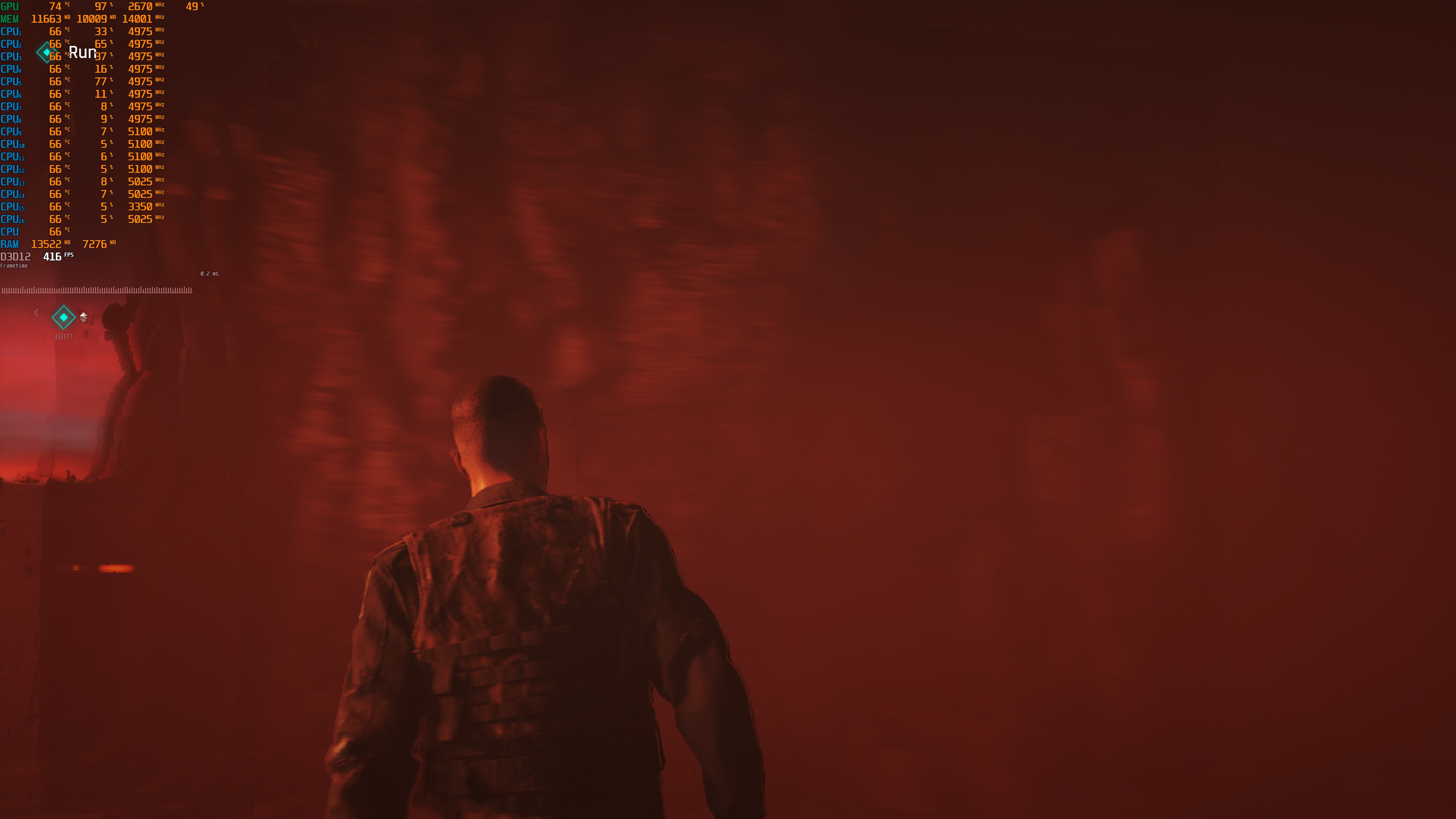
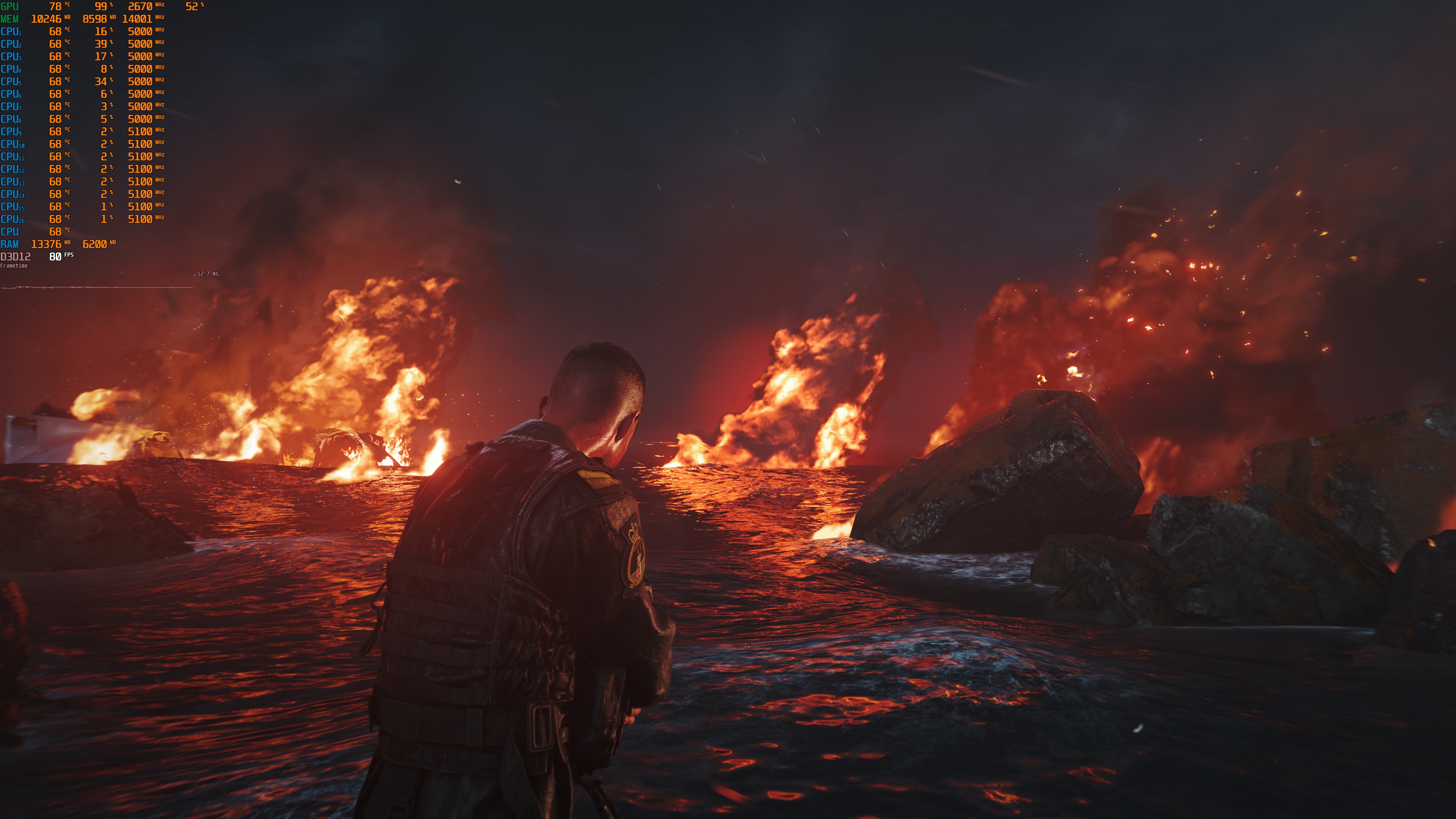
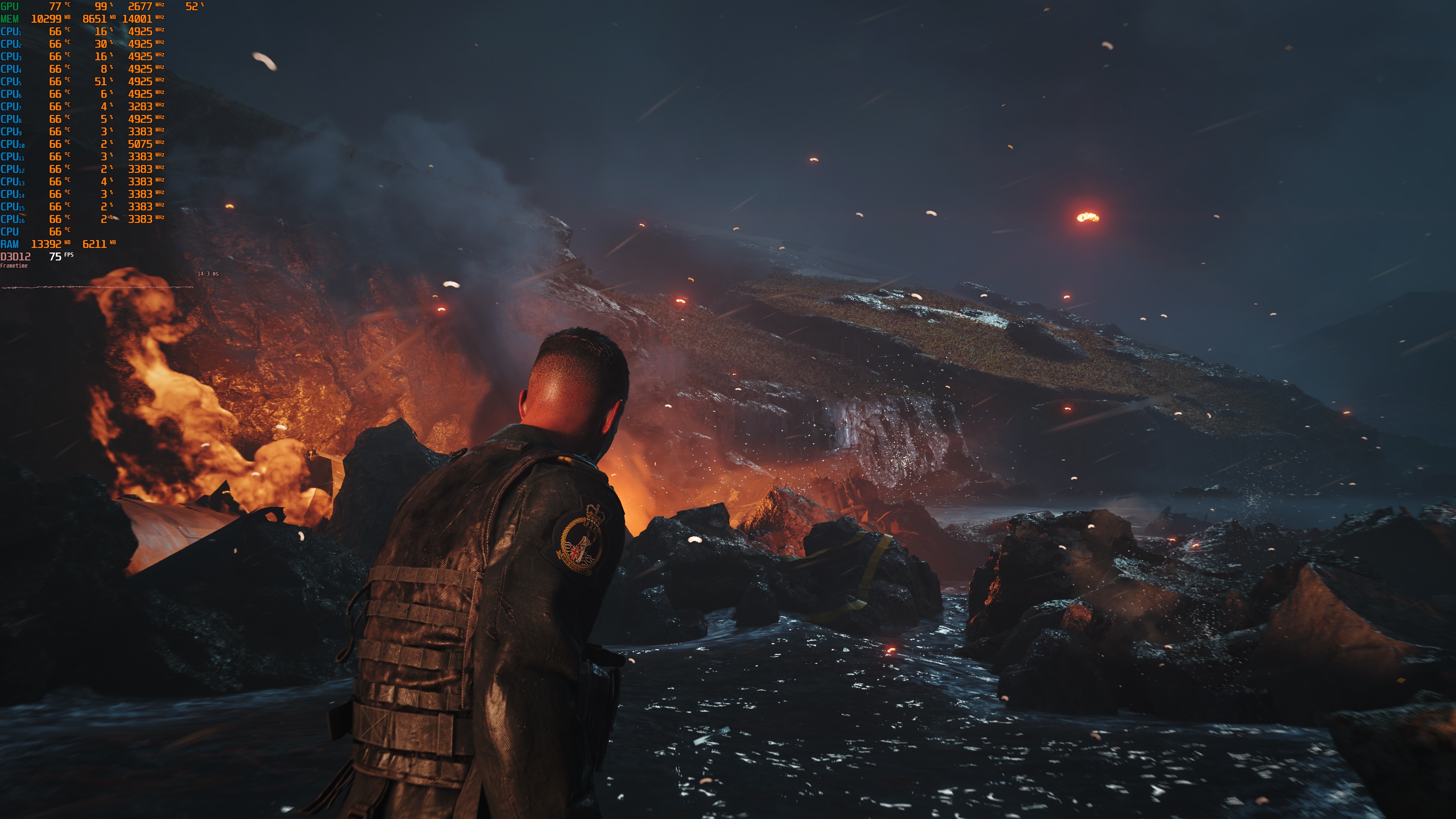
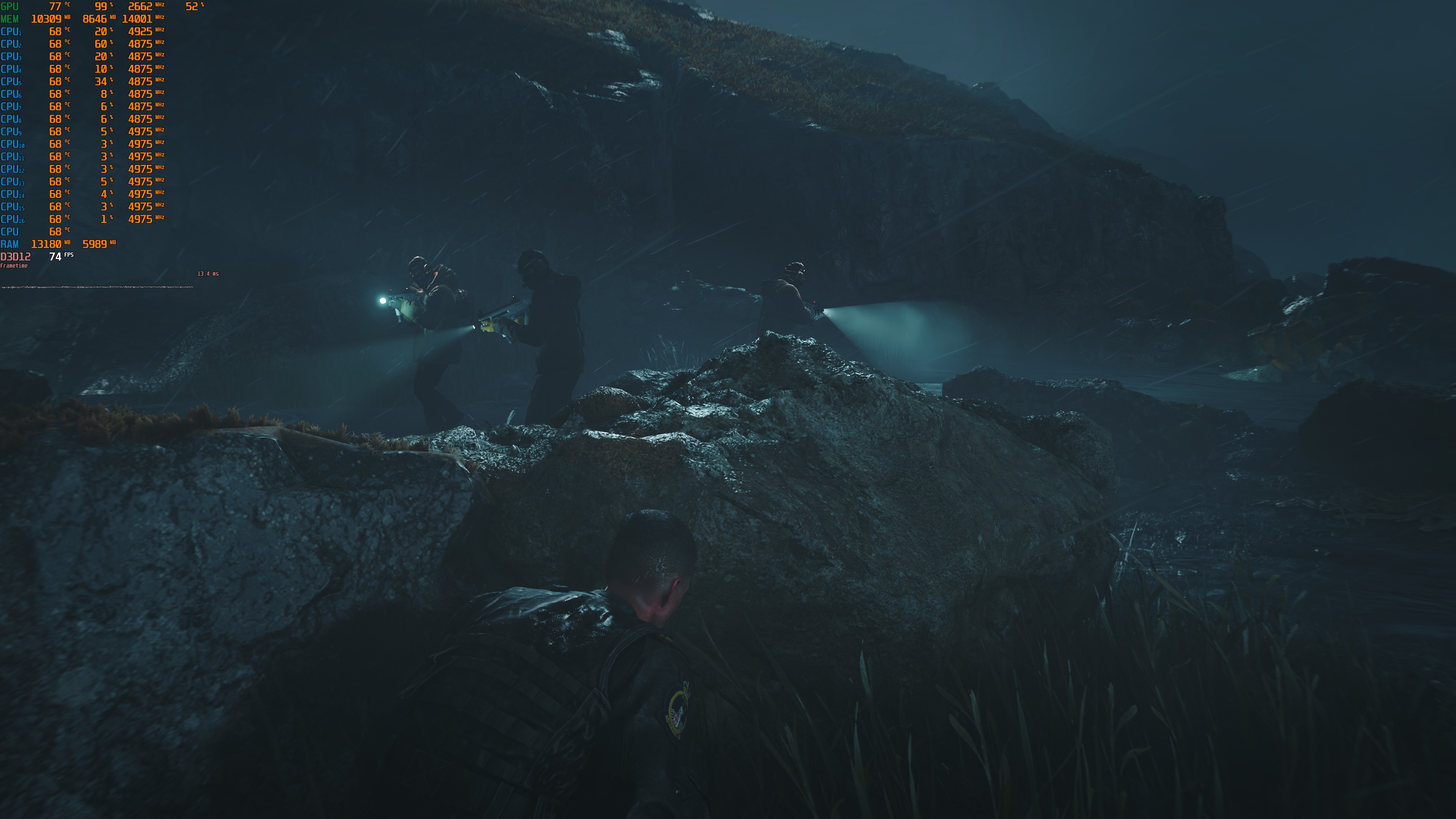
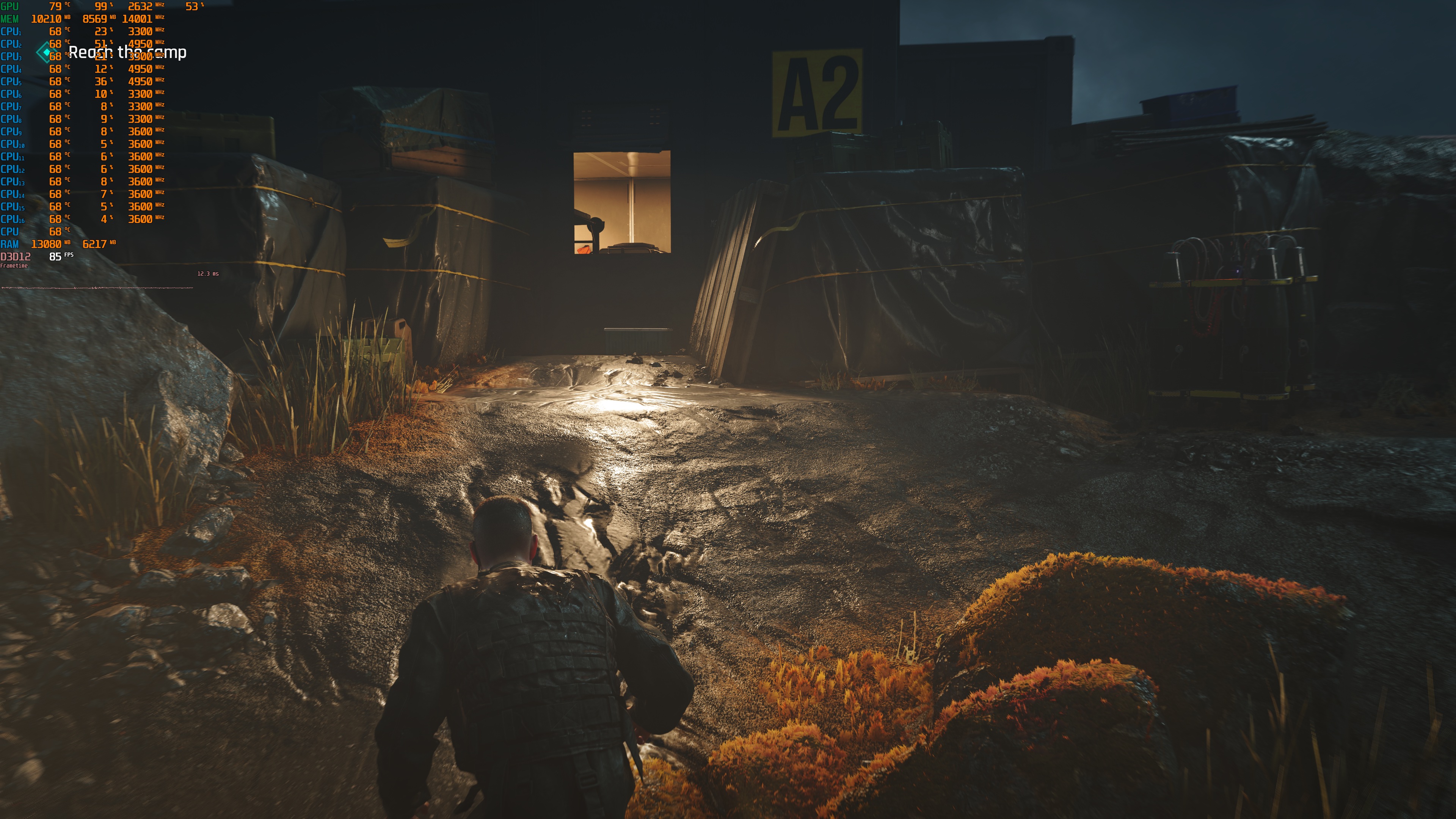
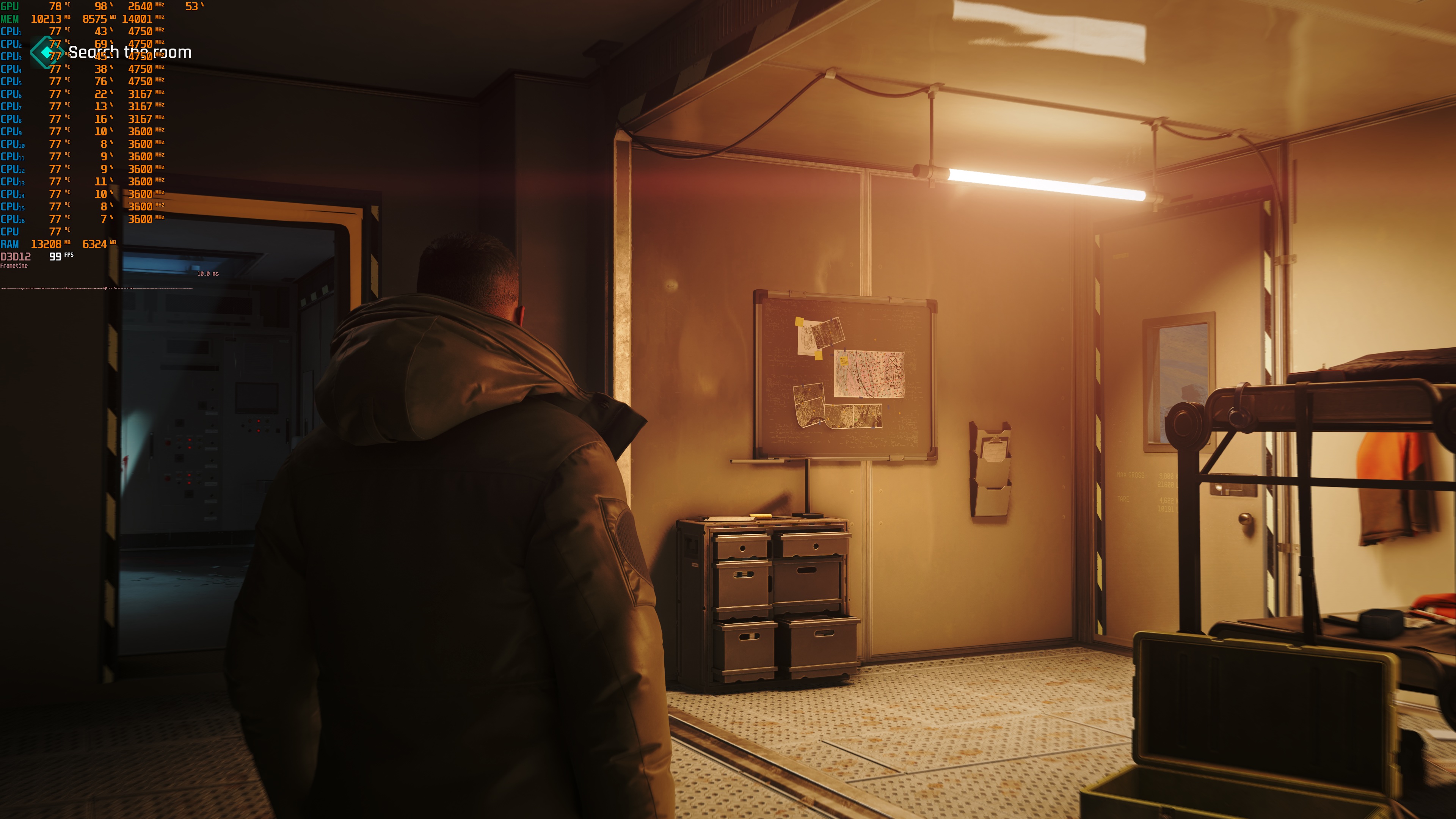
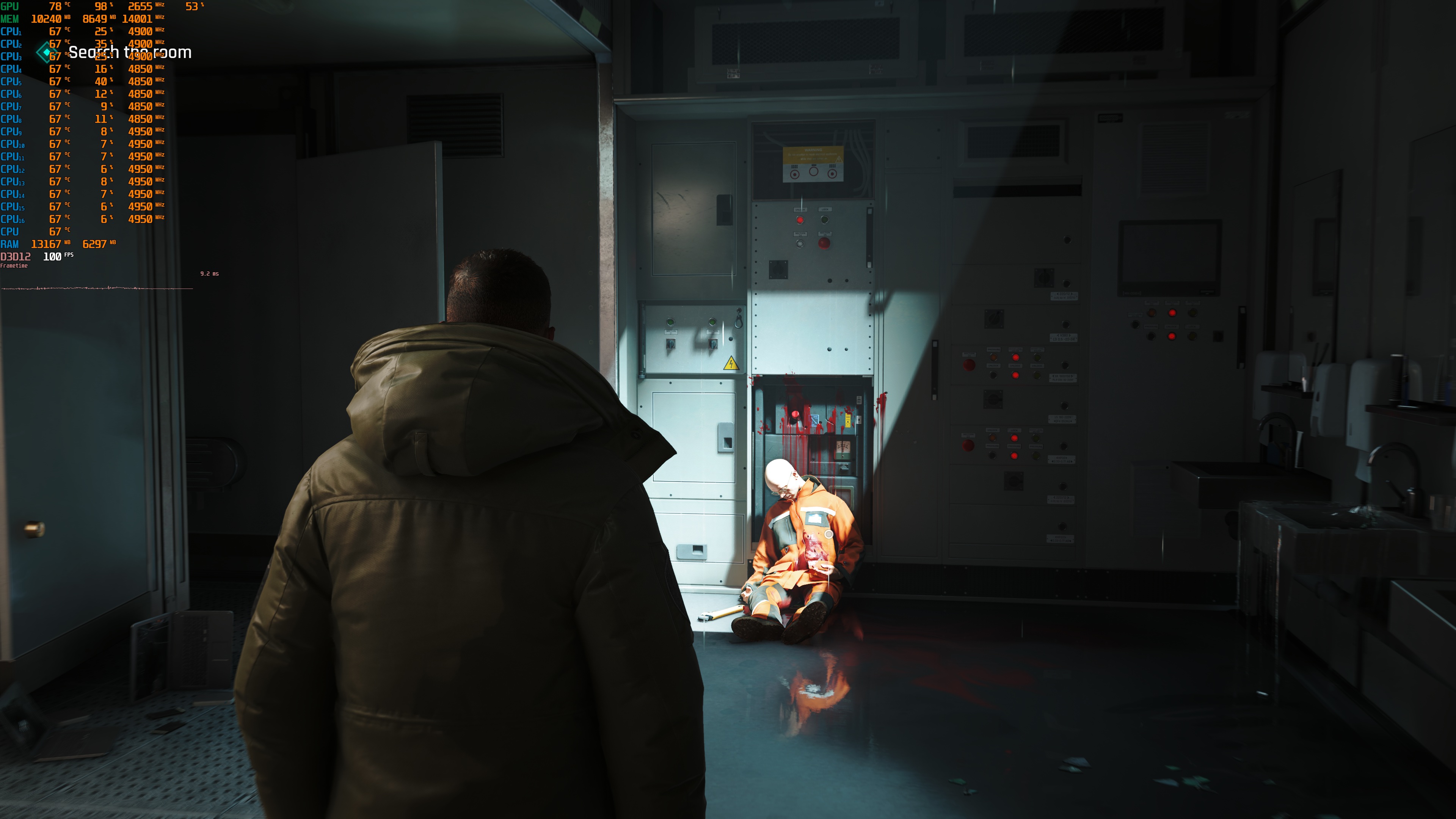
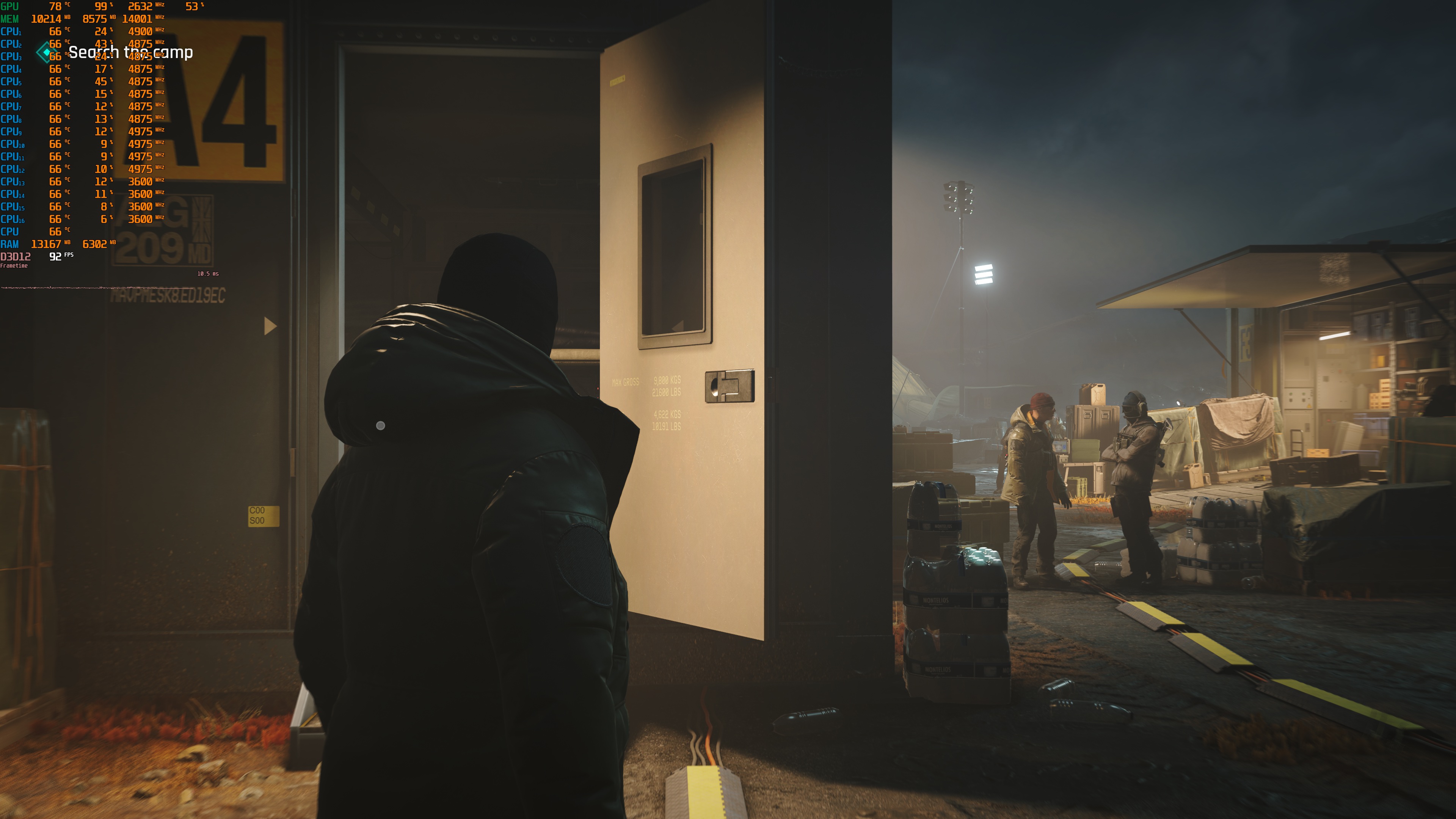
It’s worth noting that the DLSS 4.5 Multi-Frame Gen implementation is among the best I’ve seen. To test the image quality of DLSS 4.5 MFG, I captured random screenshots while moving the camera like crazy. Most of you won’t be moving the camera as fast as I did during these tests. With the default Motion Blur settings (first two screenshots), I had some visual artifacts during very quick camera movements. However, once I disabled them (last two screenshots), I was able to eliminate almost all of them. Thus, during normal gameplay, you will get a crisp and stable image, even with DLSS 4.5 MFG X4 or X6.
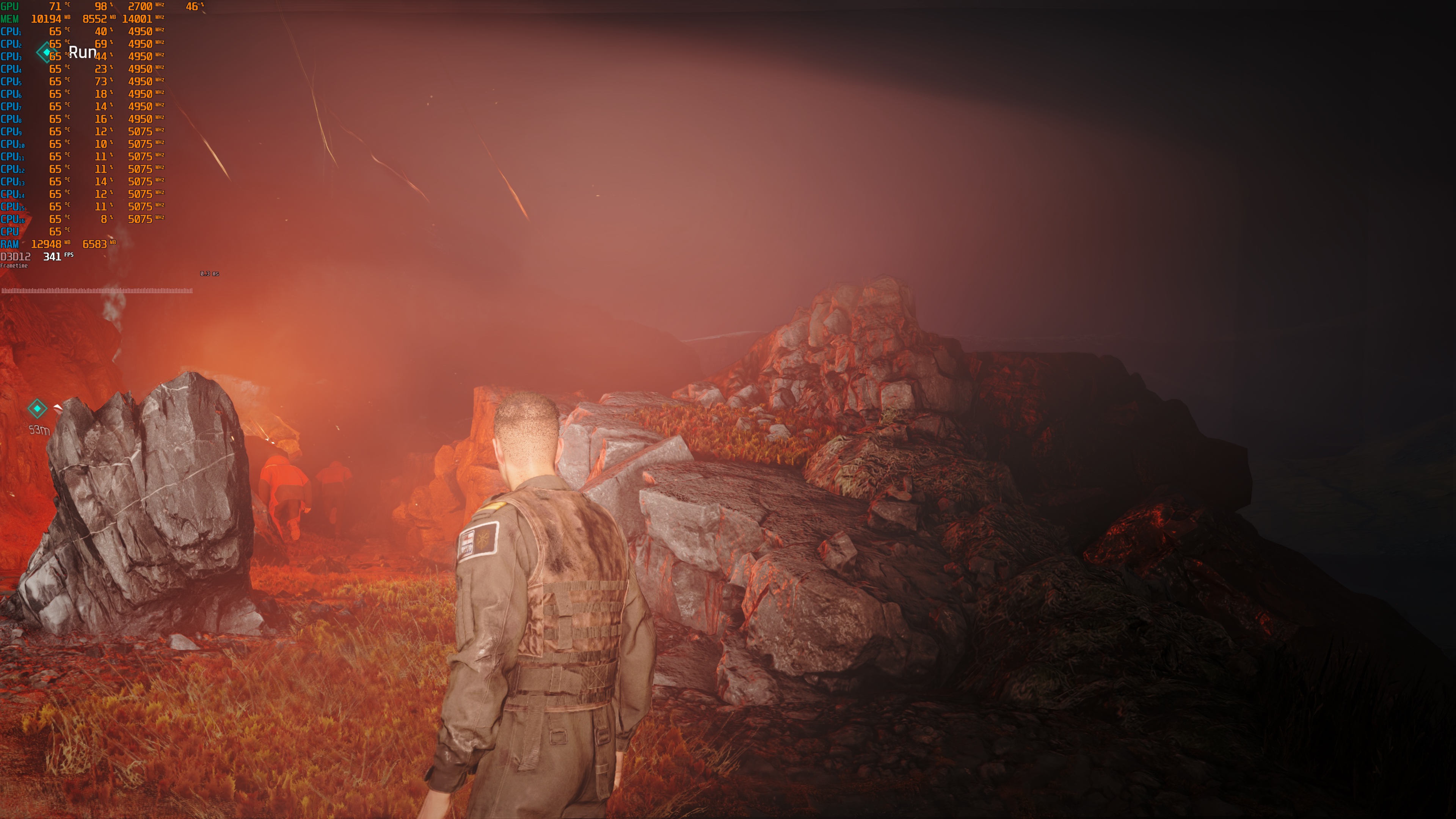
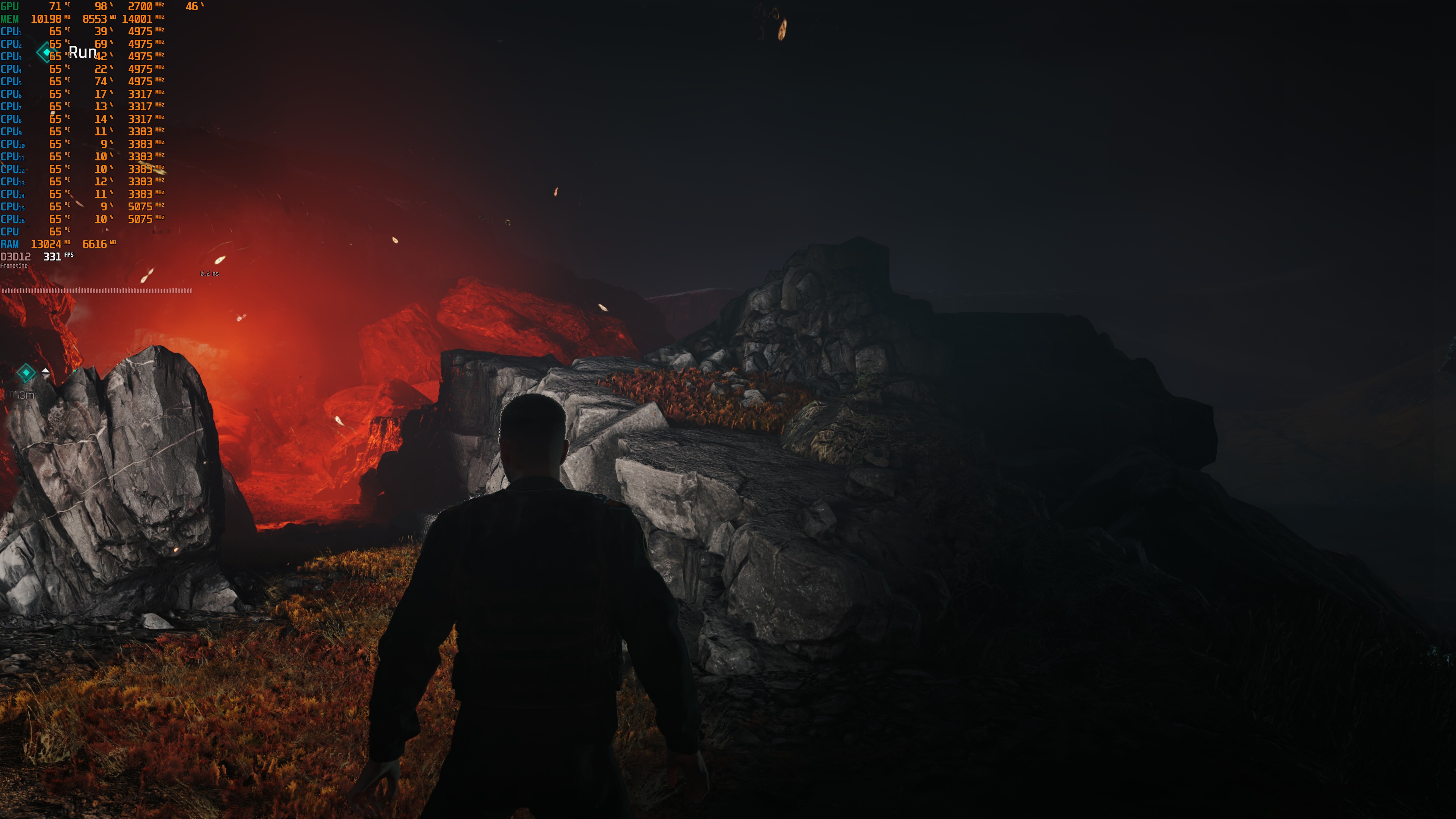
Graphically, 007 First Light is one of the best-looking rasterized games on PC. IO Interactive has used a lot of high-quality textures, and the game world looks stunning. It also features numerous impressive scripted events and some great weather effects. Overall, the game looks excellent, even though you can easily spot the areas where path tracing will further enhance the visuals. This is both good and bad news. The good news is that you can play it right now and enjoy a great-looking game. The bad news is that I don’t expect many RTX 50-series owners to replay it once the full path-tracing update arrives.
Before closing, I should note that I did not experience any stutters during the entire first mission. Even though the game has some really big environments, everything felt smooth. Even during the action-paced scripted events, there was not a single stutter.
All in all, 007 First Light performs and looks great on PC. The game does not require a high-end GPU to be enjoyed at 1080p. At 4K, things get more demanding, but the NVIDIA RTX 5090 can provide a smooth gaming experience, even when not using any upscaler. As I said, the DLSS 4.5 implementation is great here. So, I highly recommend using it. It’s a shame, though, that there is no support for AMD FSR Frame Gen or for Intel XeSS 2.0.
Enjoy and stay tuned for more!

John is the founder and Editor in Chief at DSOGaming. He is a PC gaming fan and highly supports the modding and indie communities. Before creating DSOGaming, John worked on numerous gaming websites. While he is a die-hard PC gamer, his gaming roots can be found on consoles. John loved – and still does – the 16-bit consoles, and considers SNES to be one of the best consoles. Still, the PC platform won him over consoles. That was mainly due to 3DFX and its iconic dedicated 3D accelerator graphics card, Voodoo 2. John has also written a higher degree thesis on the “The Evolution of PC graphics cards.”
Contact: Email