
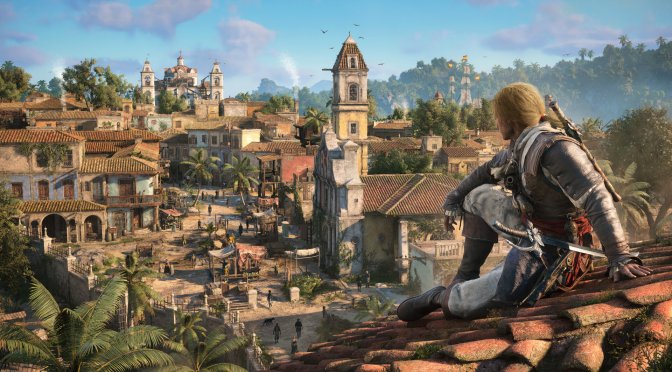
Ubisoft has just released Assassin’s Creed Black Flag Resynced on PC. Powered by the latest version of Anvil Engine, it’s time now to benchmark it and examine its performance on PC.
For our benchmarks, I used an AMD Ryzen 9 7950X3D, 32GB of DDR5 at 6000Mhz, AMD’s Radeon RX 6900XT, RX 7900XTX, RX 9070XT, as well as NVIDIA’s RTX 2080Ti, RTX 3080, RTX 4090, RTX 5080, and RTX 5090. I also used Windows 10 64-bit, the GeForce 610.74, and the Radeon Adrenalin Edition 26.6.4 drivers.
Ubisoft has added a lot of graphics settings to tweak. PC gamers can adjust the quality of Textures, Shadows, View Distance, Terrain, Reflections, and more. The game also supports Ray Tracing for Global Illumination and Reflections. Plus, there is support for all three PC upscalers. As such, you can use NVIDIA DLSS 4.5, AMD FSR 4.1, and Intel XeSS 3.0.
Assassin’s Creed Black Flag Resynced has a built-in benchmark tool that is representative of the in-game performance. So, for our benchmarks, I used that tool.
I should also note that in this article, we’ll be focusing on the rasterized version. Those interested in Ray Tracing and/or DLSS 4.5 benchmarks should go to this article.
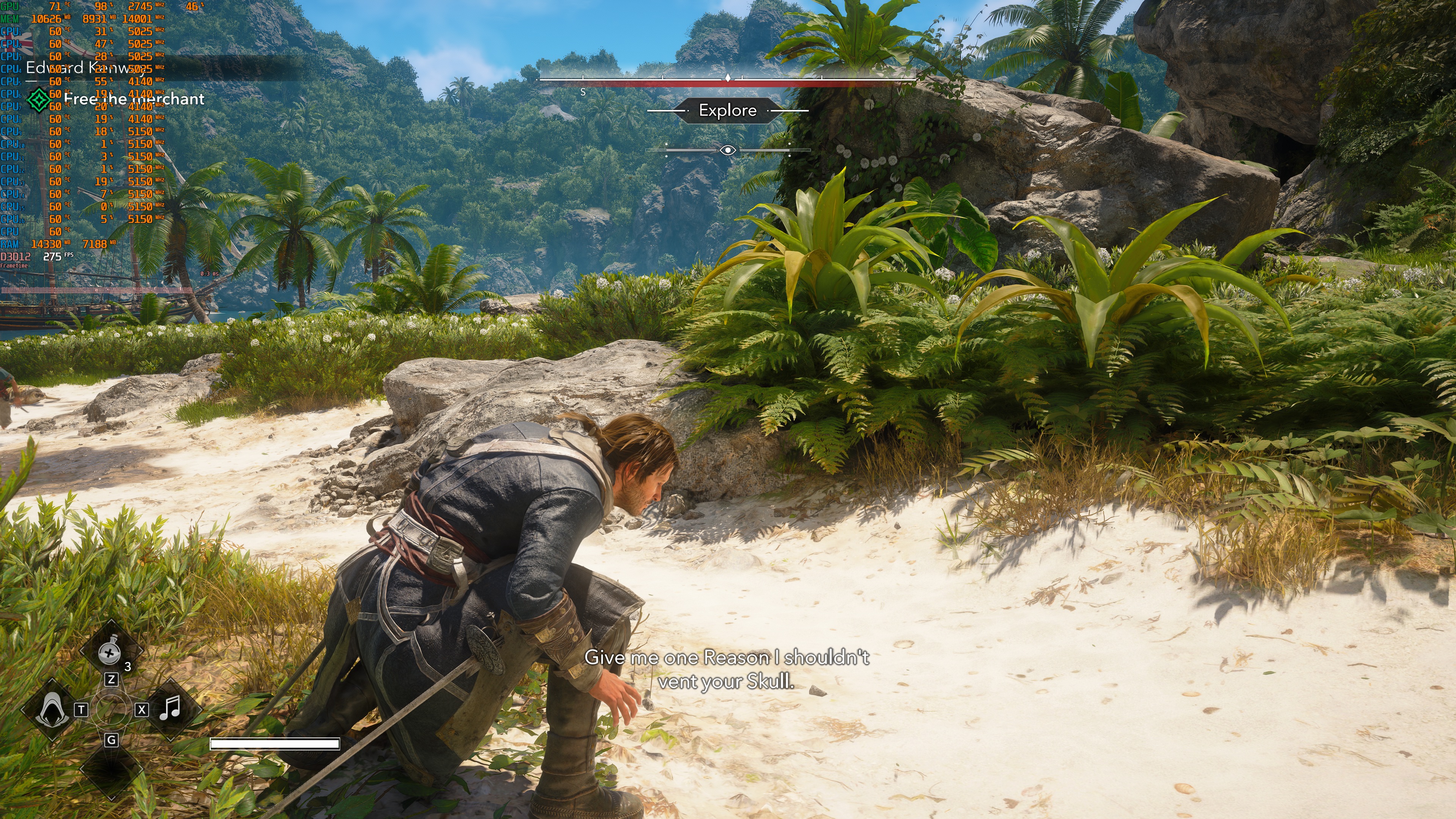
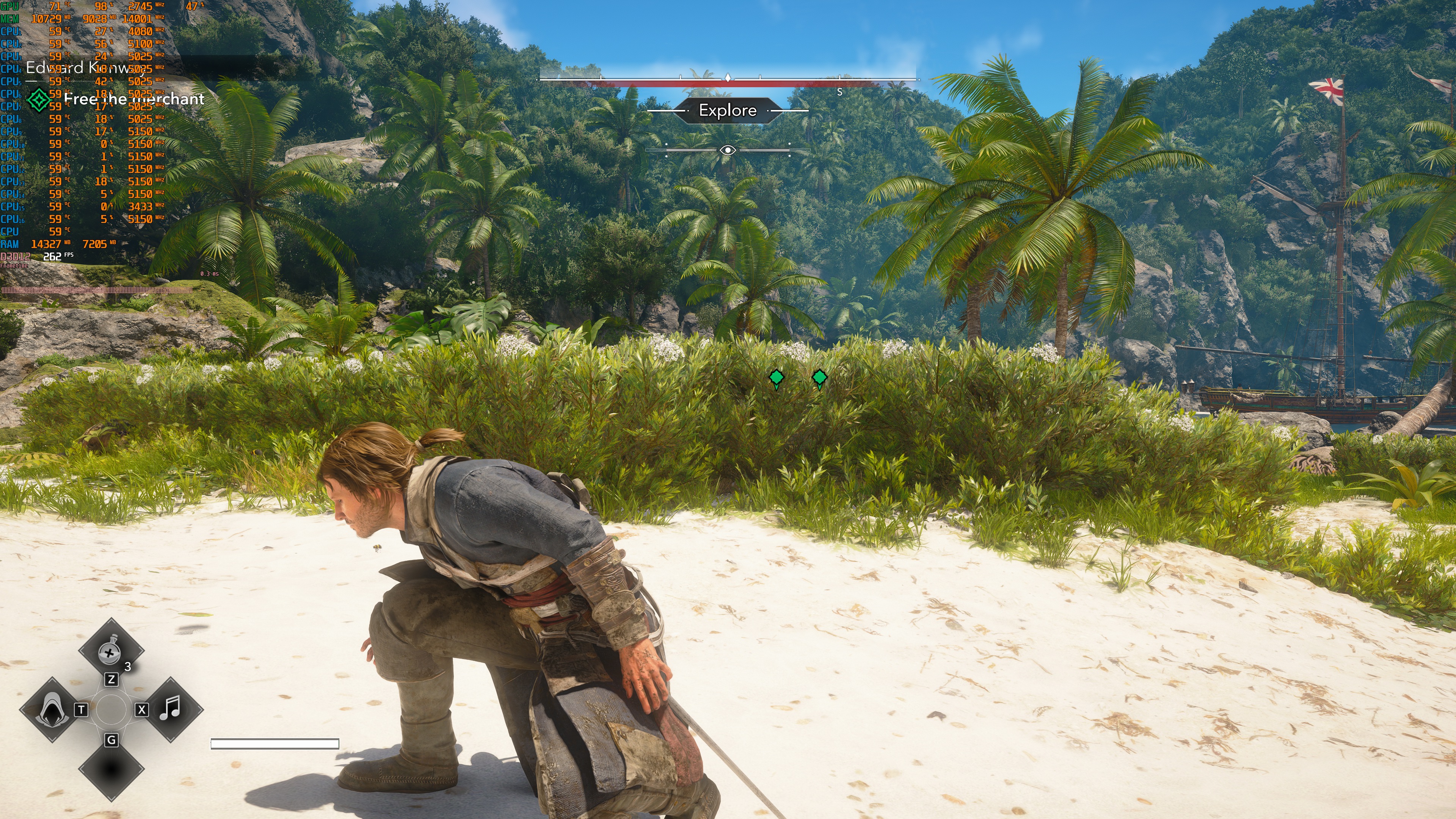
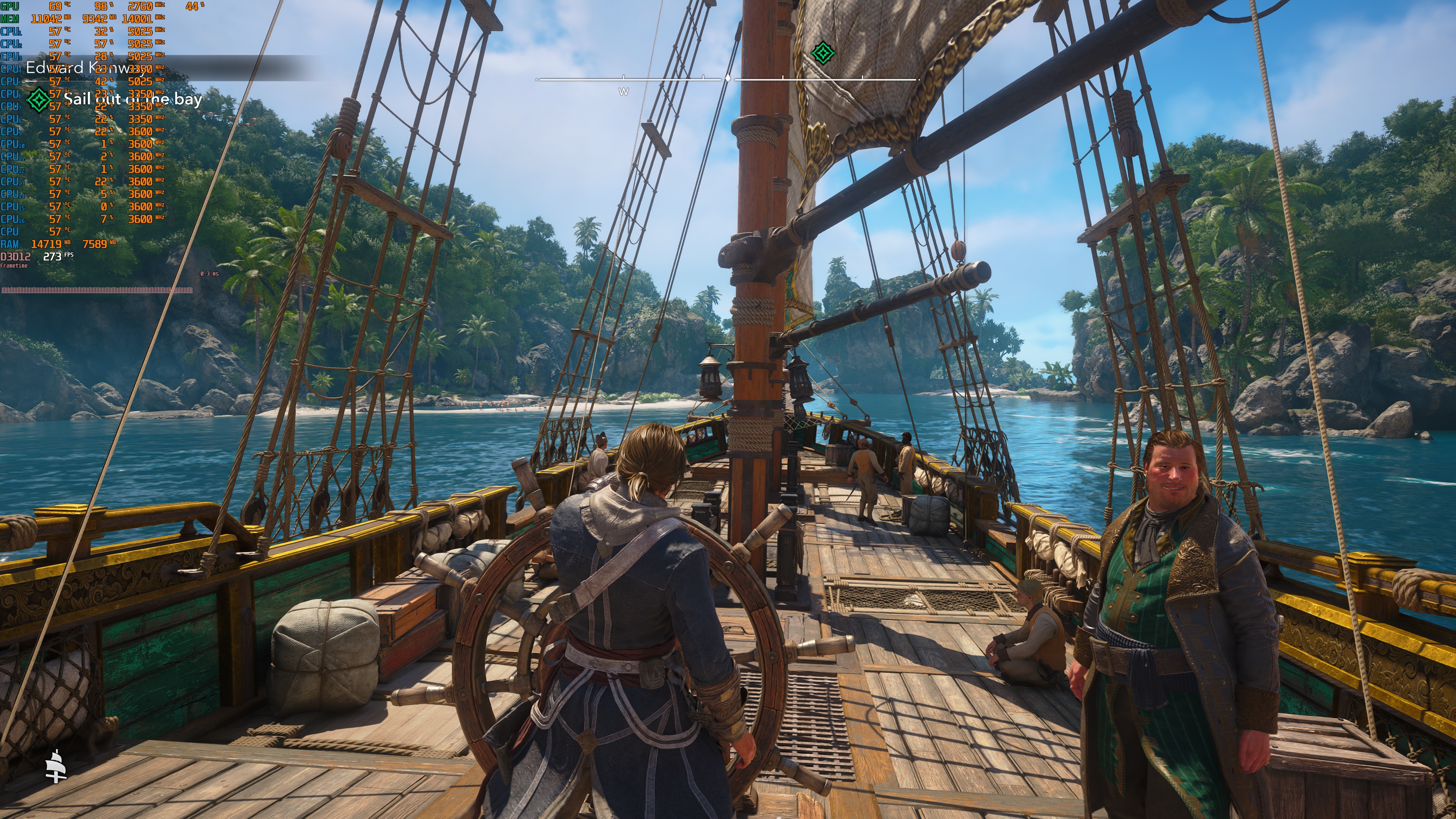
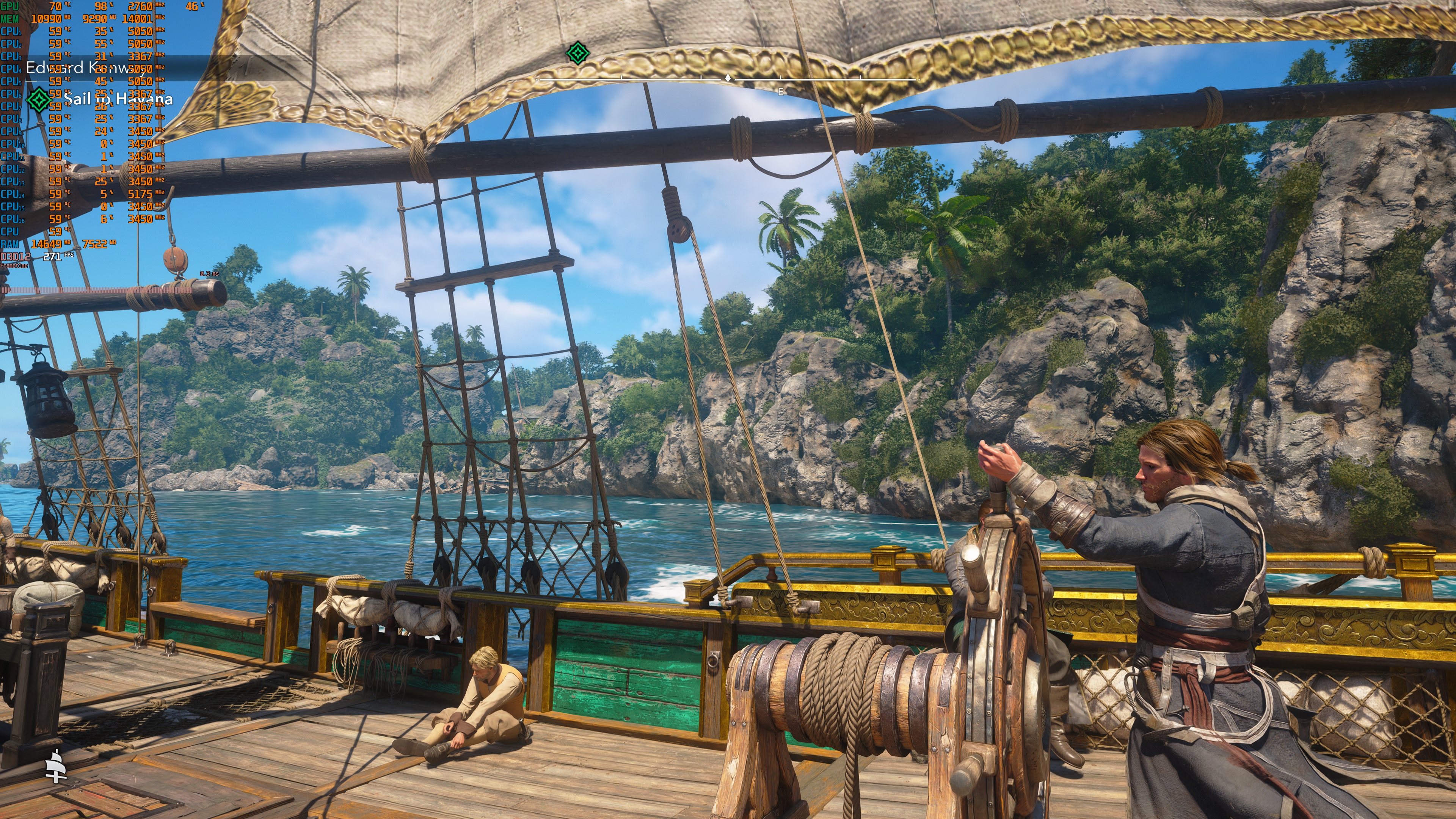
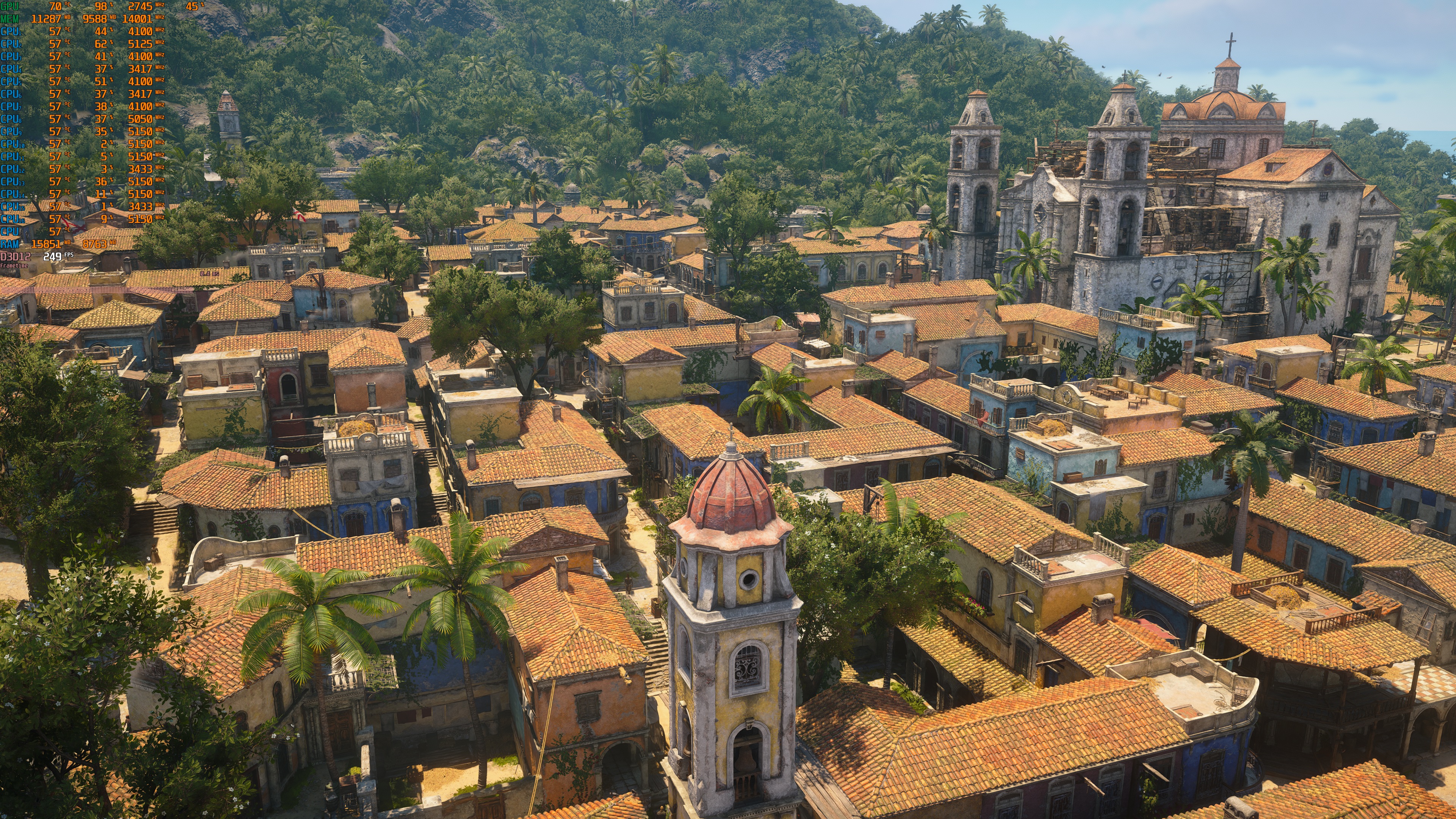
Assassin’s Creed Black Flag Resynced is mostly a GPU-bound title. At 1080p/Ultra High/No Ray Tracing, our NVIDIA RTX 5090 was used to its fullest. At least most of the time. There are areas in which our GPU usage was dropping to 85% for no apparent reason. In those scenes, we were not CPU-bottlenecked. This is something NVIDIA will have to improve via future drivers.
Like all previous Assassin’s Creed games, Assassin’s Creed Black Flag Resynced favors AMD’s hardware. At 1080p/Ultra High, the AMD Radeon RX 7900XTX and RX 9070XT were able to beat the NVIDIA RTX 4090. Similarly, the AMD Radeon RX 6900XT was able to beat the NVIDIA RTX 3080.
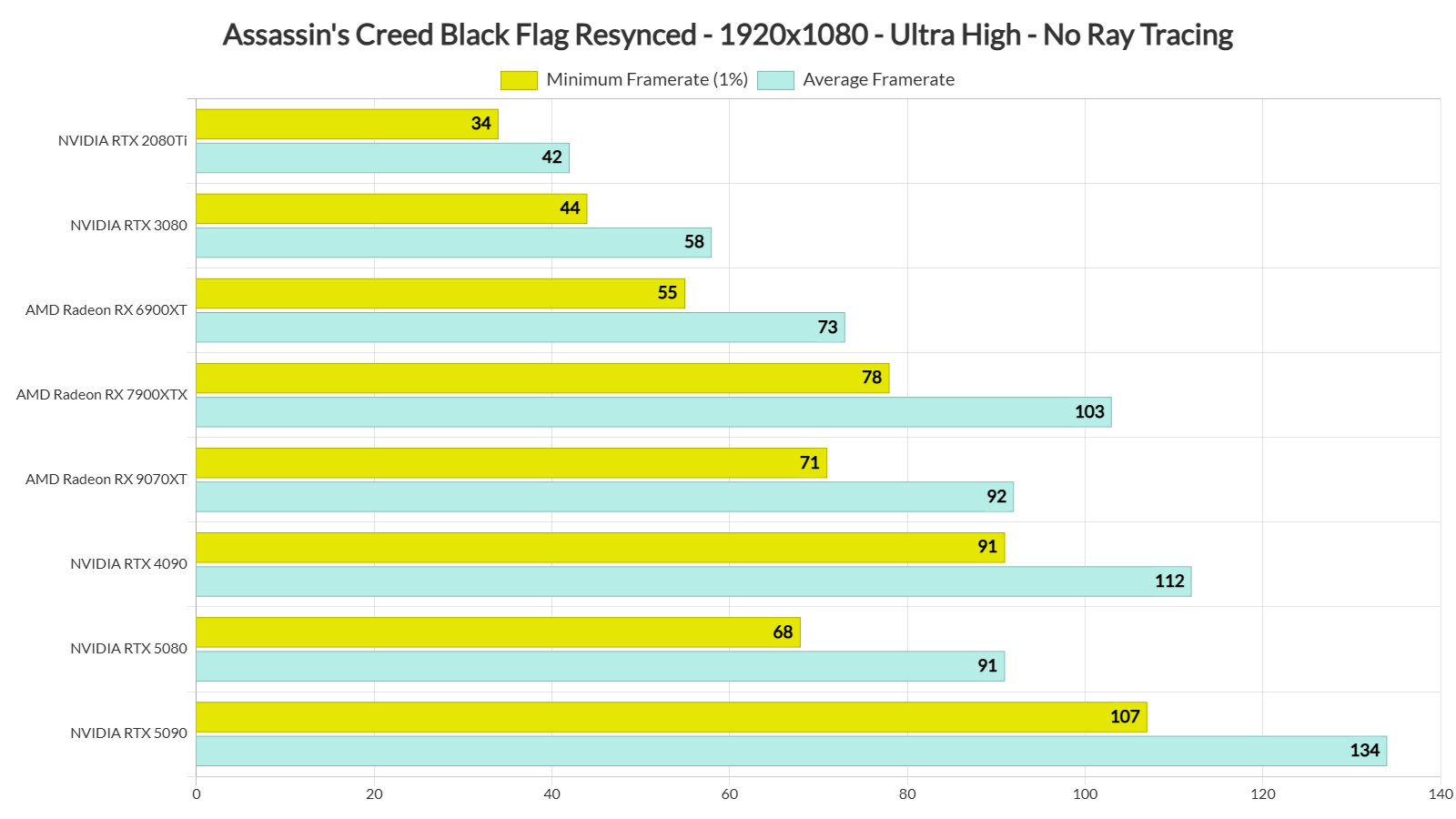
Our top five GPUs had no trouble running the game with over 60FPS at all times at 1080p/Ultra High. The AMD Radeon RX 6900XT was also able to provide a smooth gaming experience, provided you use a FreeSync monitor.
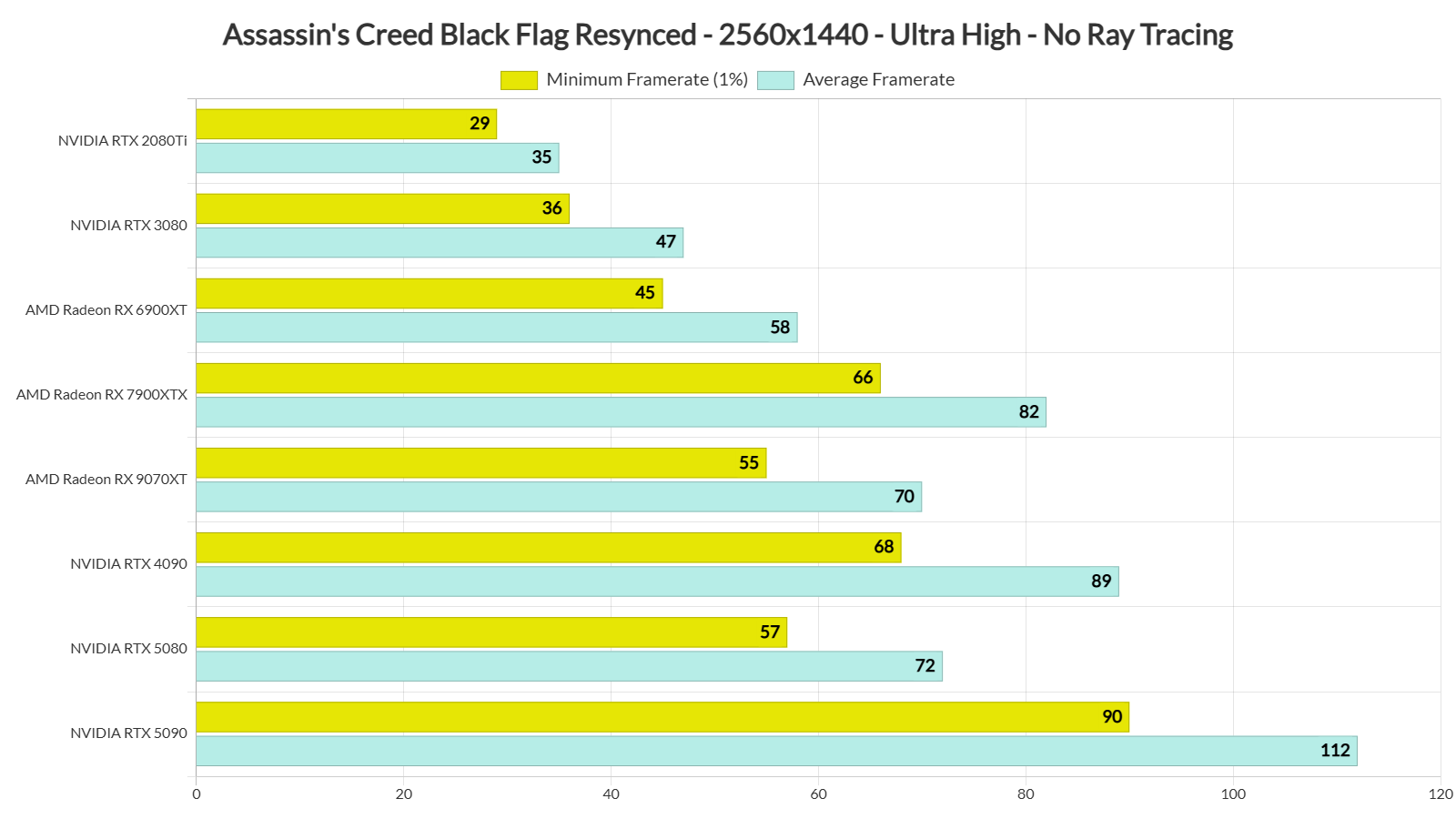
At 1440p/Ultra High, the game becomes more GPU demanding. The AMD Radeon RX 9070XT and NVIDIA RTX 5080 could drop below 60FPS at times. With a G-Sync/FreeSync monitor, you will get a smooth gaming experience, though. On the other hand, the AMD Radeon RX 7900XTX, the NVIDIA RTX 4090, and the NVIDIA RTX 5090 were able to push framerates over 60FPS at all times.
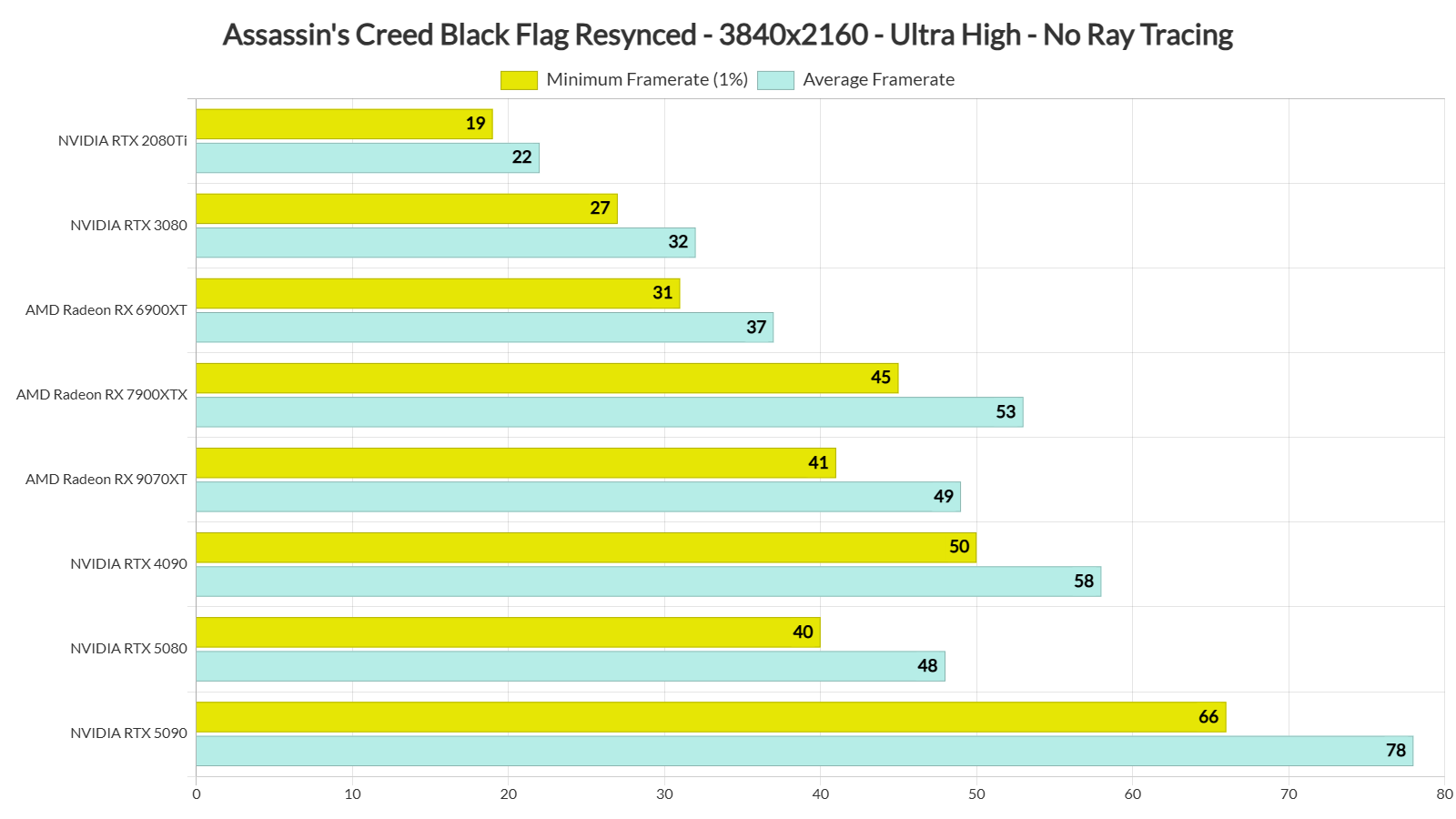
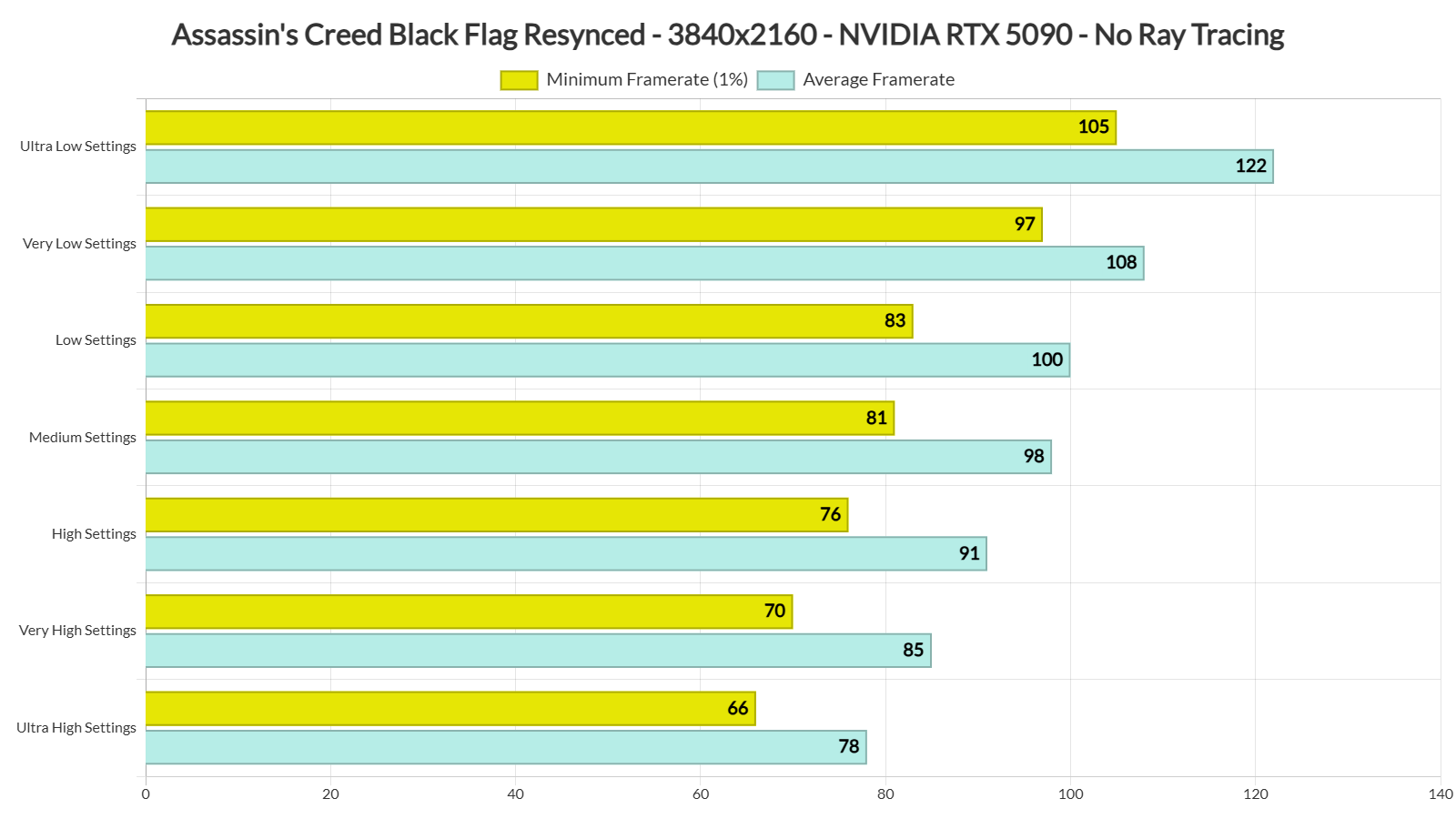
For gaming at Native 4K with Ultra High and No Ray Tracing, you will need an NVIDIA RTX 5090. Contrary to Assassin’s Creed Shadows, the NVIDIA RTX 5090 can run this new AC game with over 60FPS at all times. Sadly, though, our second most powerful GPU, the NVIDIA RTX 4090, was unable to offer a 60FPS experience.
Sadly, the in-game graphics presets do not provide major performance improvements. As you can see, the performance gains between the two highest presets are relatively small. The High preset appears to offer the best balance between visuals and performance. The Medium and Low presets performed almost identically, which is a bit odd since Medium looks noticeably better than Low. I’m not sure what’s going on there. The Very Low and Ultra Low presets provide a more significant performance boost, but they come with substantial visual compromises.
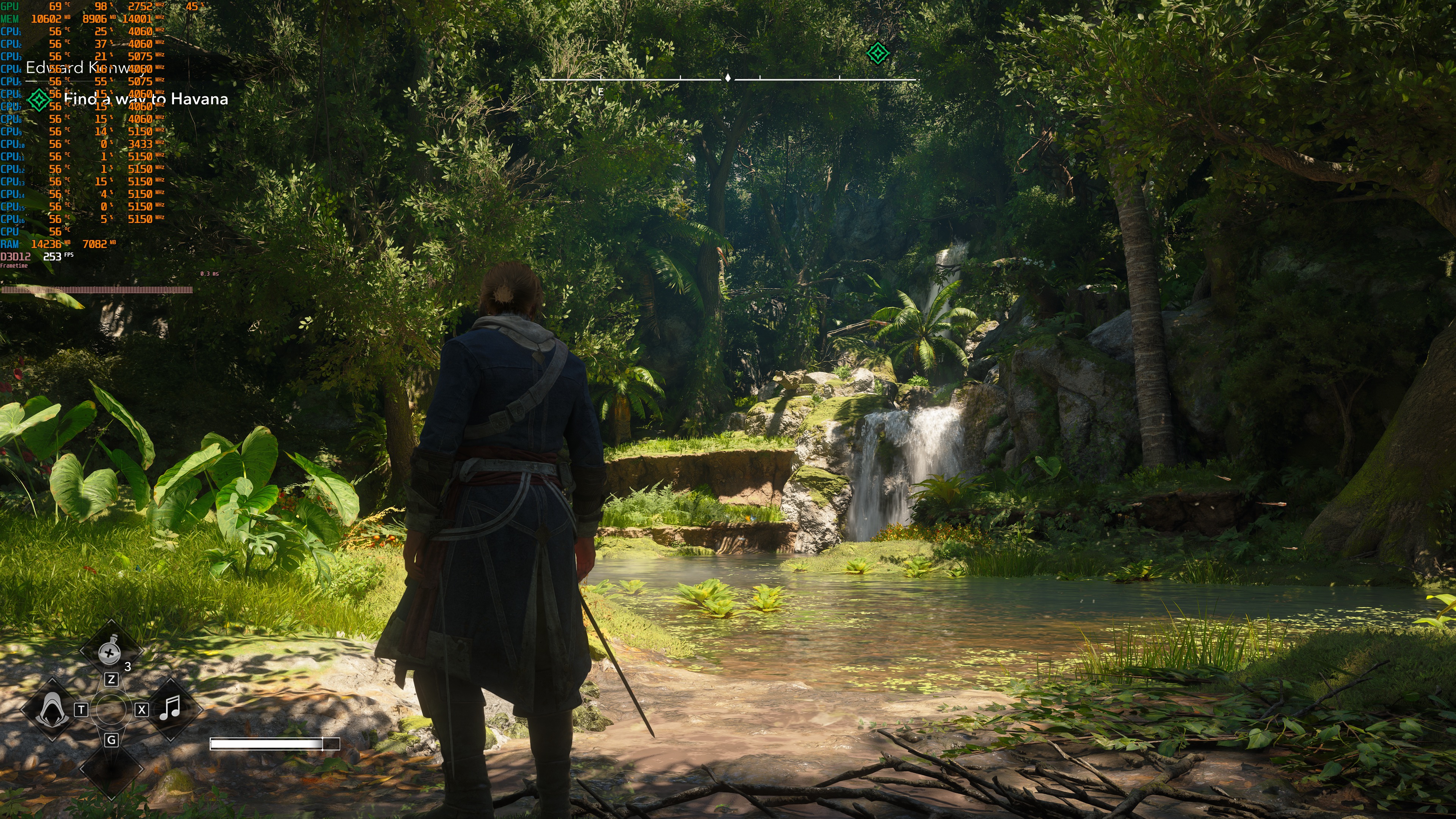
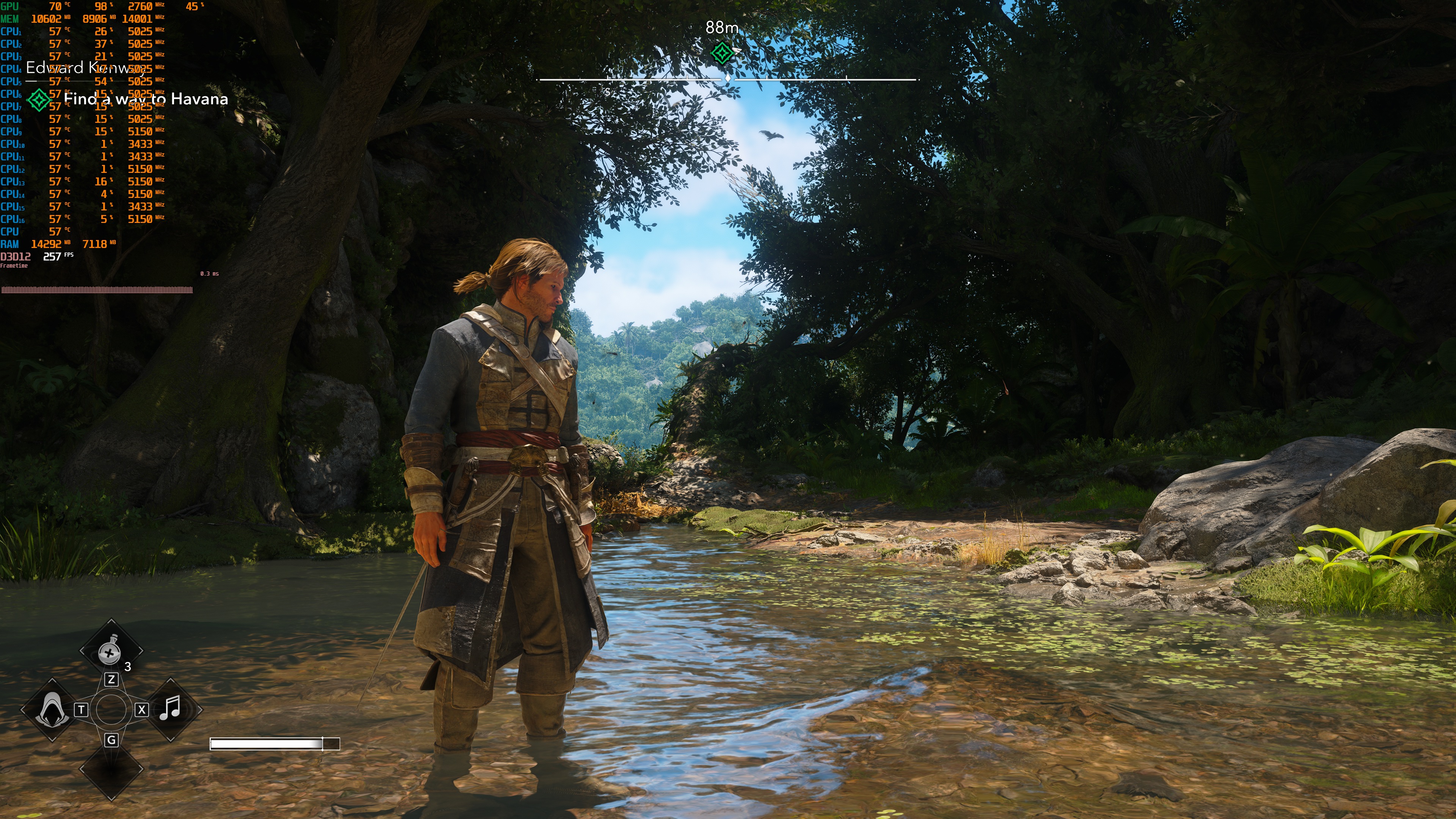
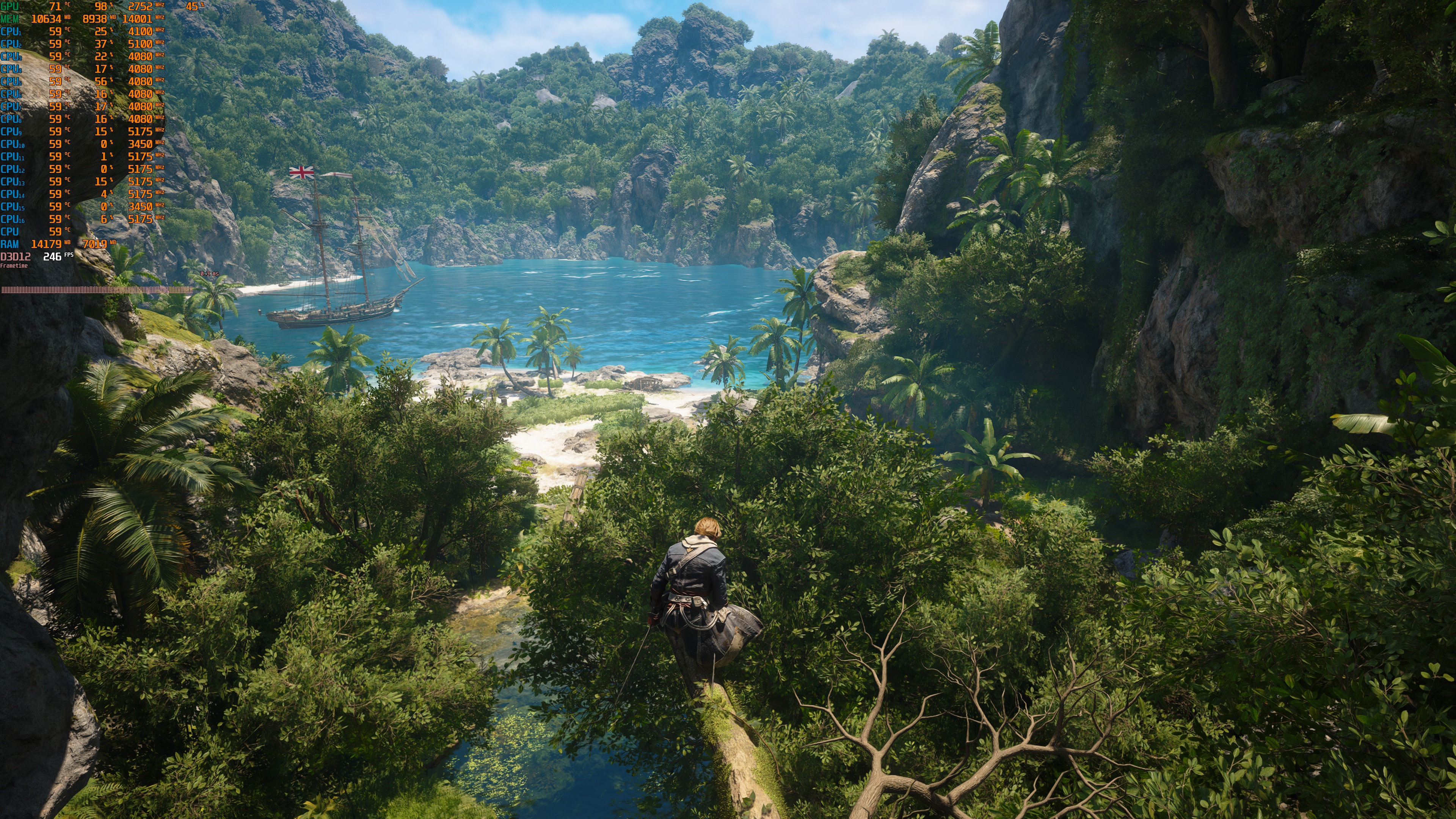
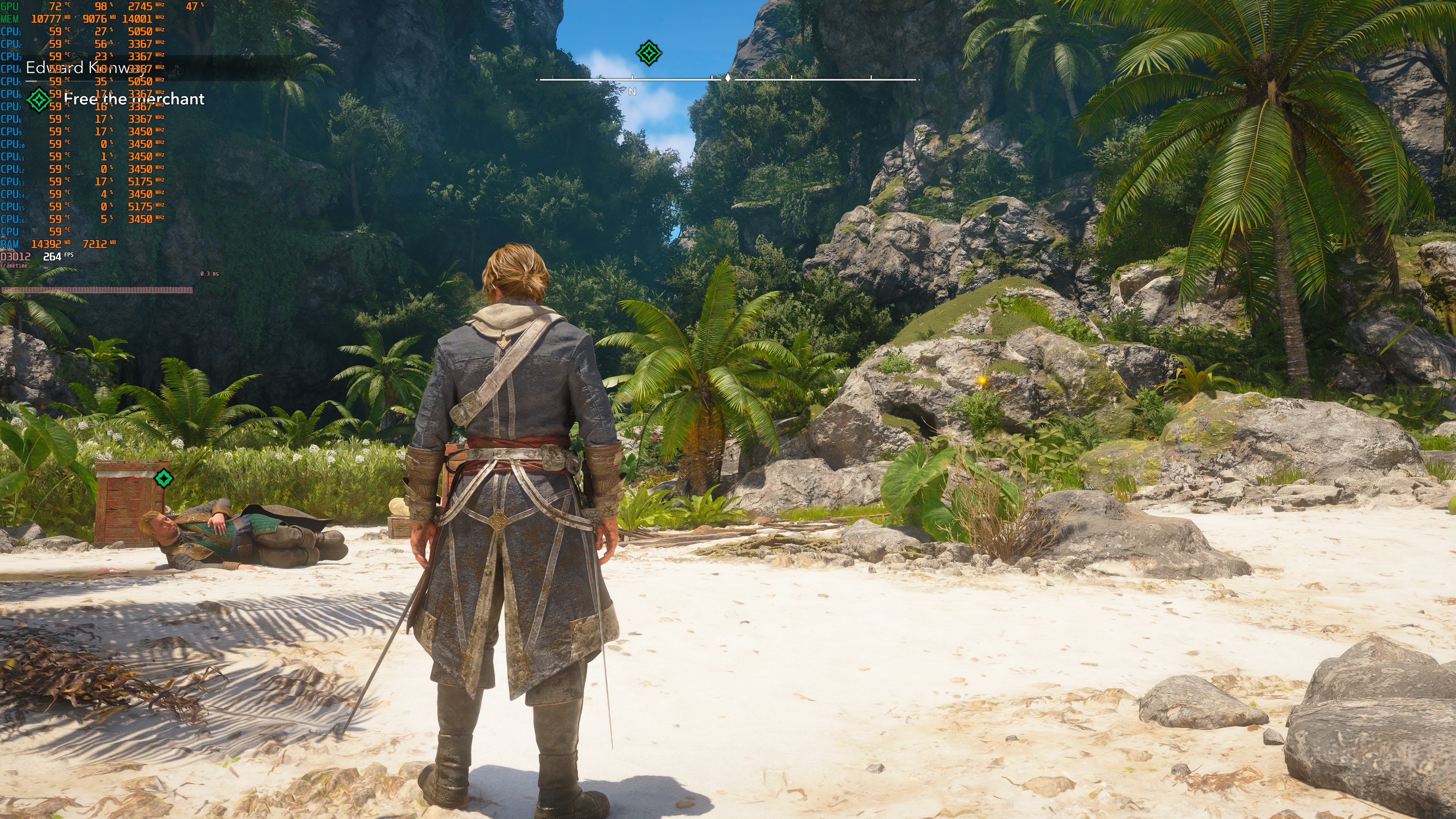
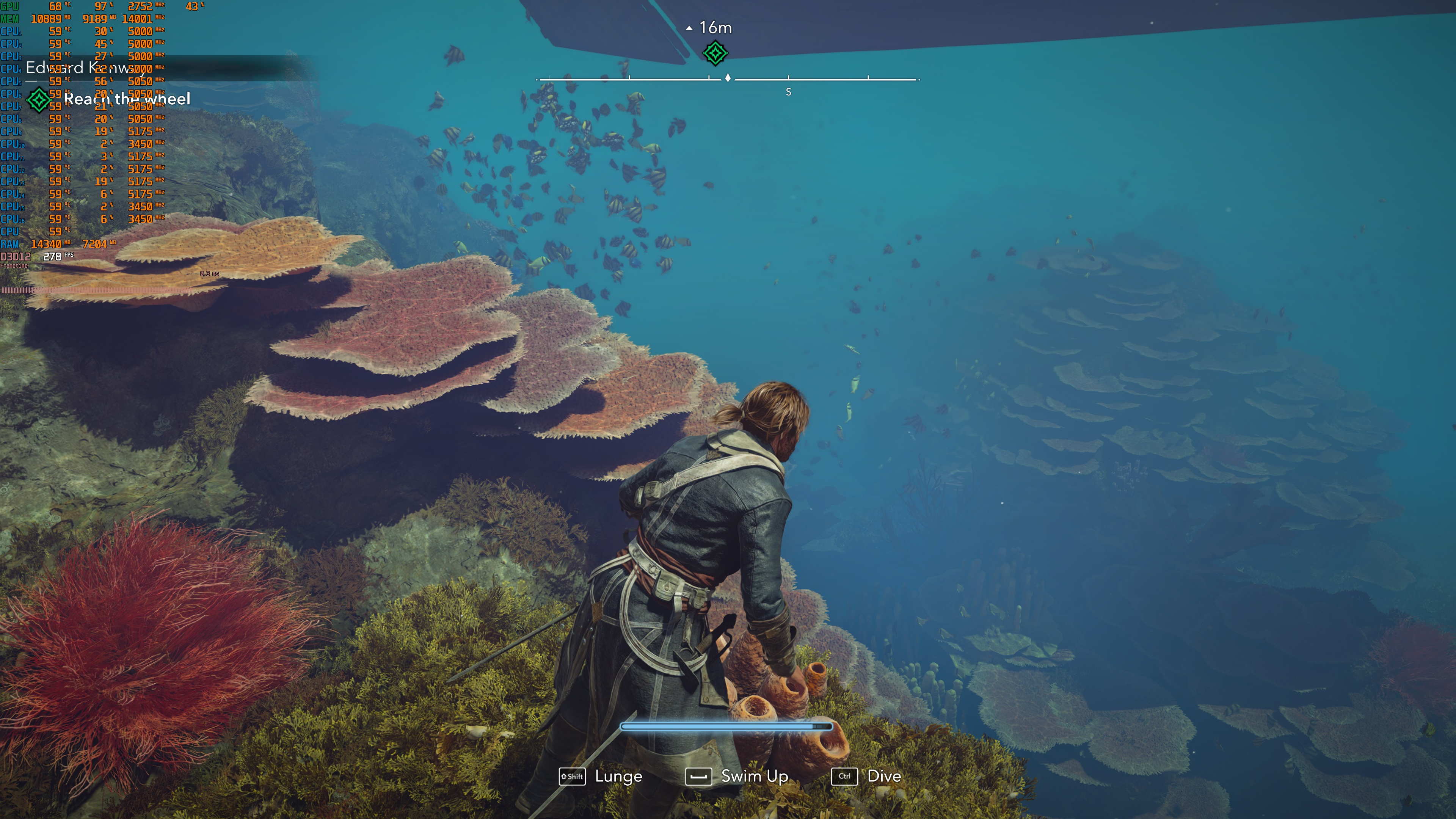
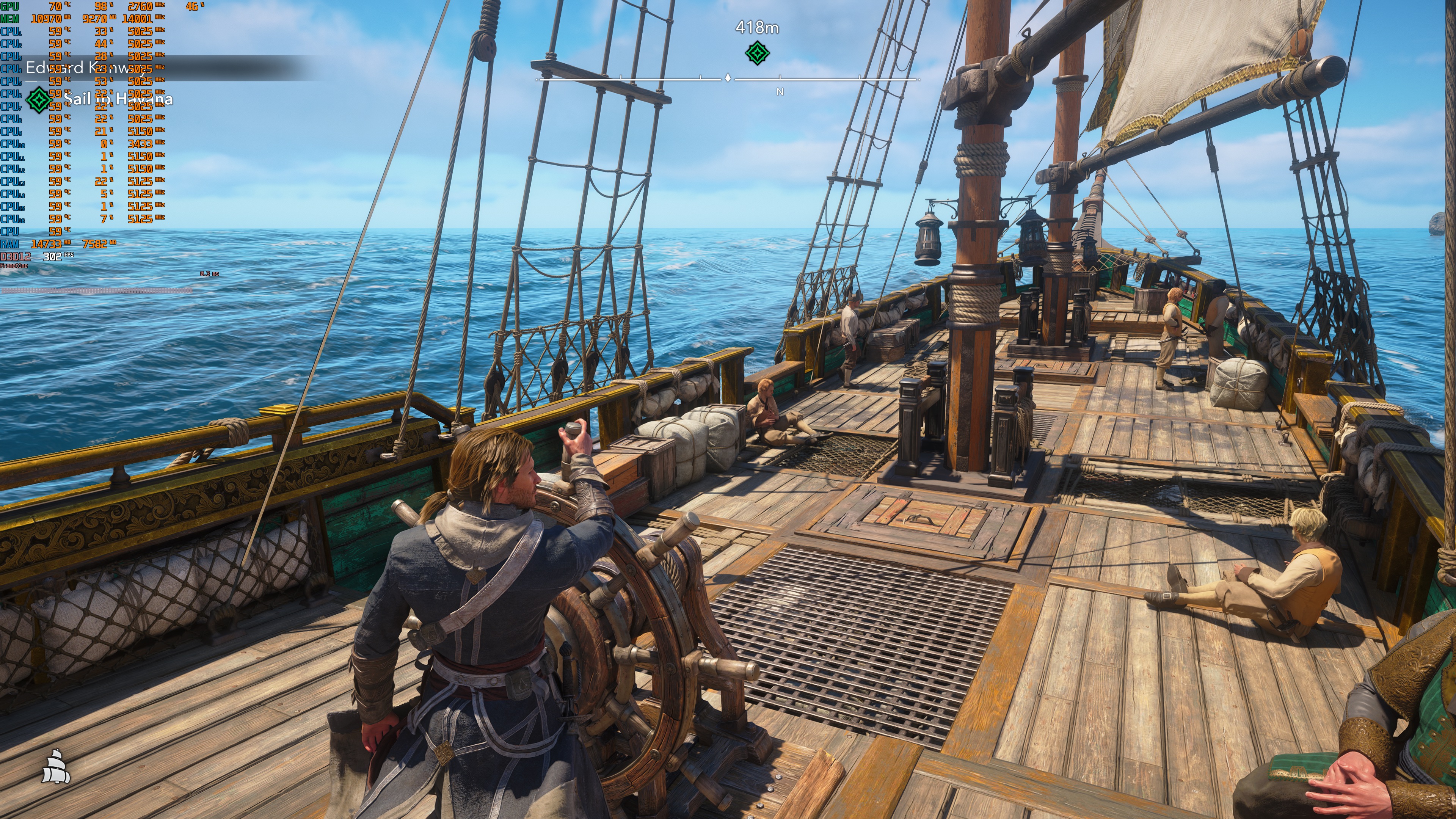
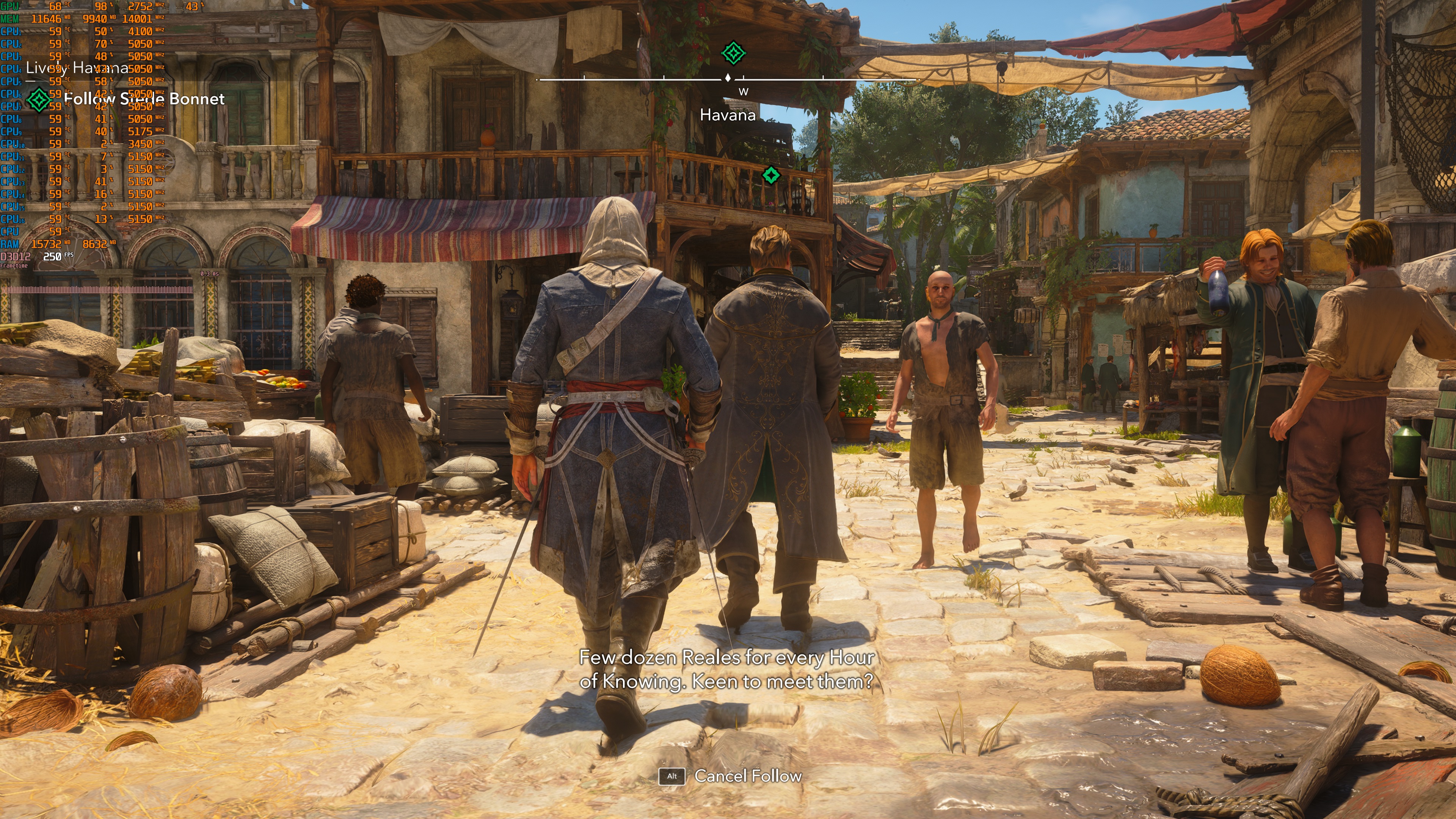
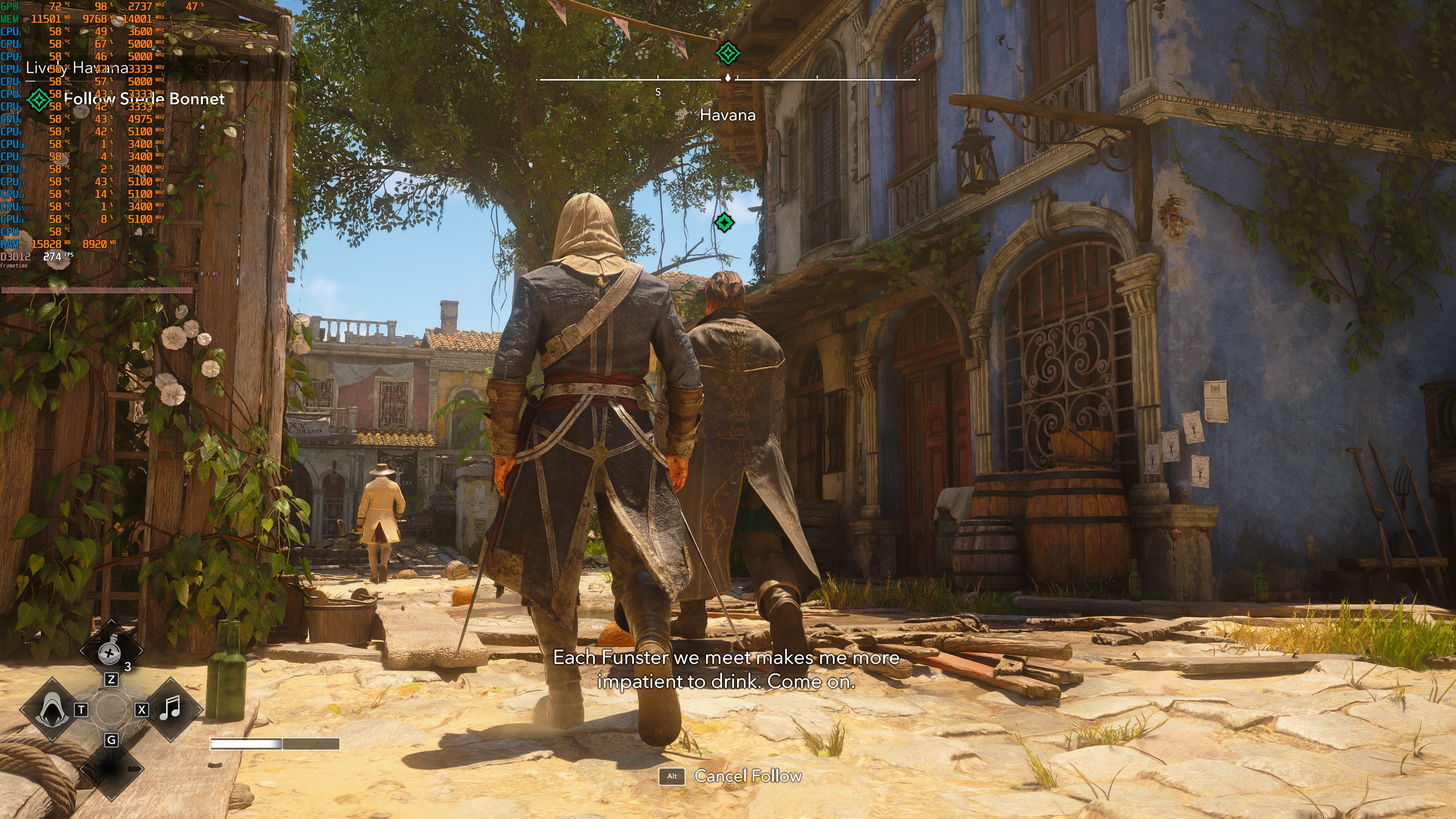
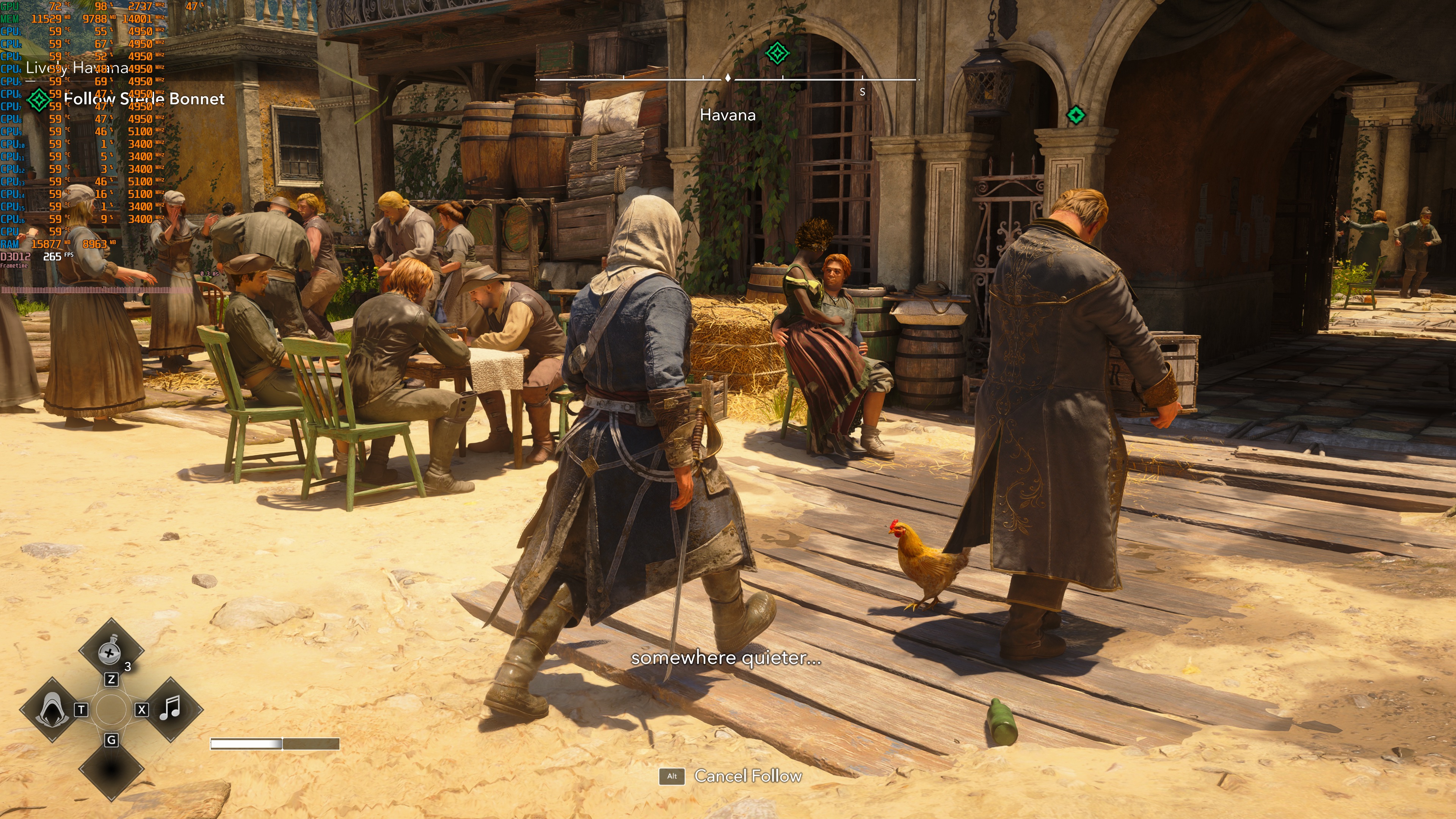
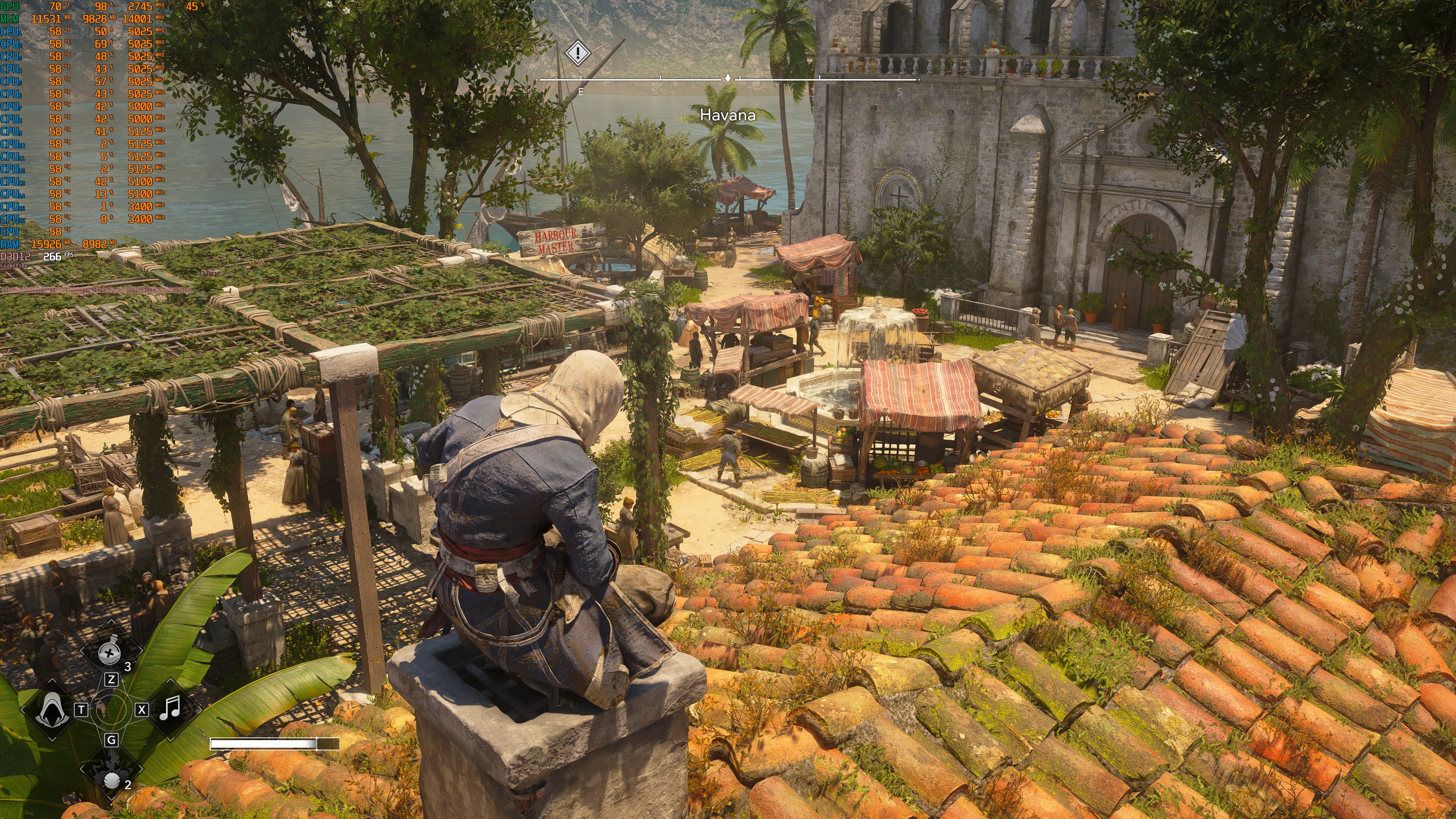
Graphics-wise, Assassin’s Creed Black Flag Resynced feels like a step down from what we got in Assassin’s Creed Shadows. The game still looks amazing. However, I don’t get that “wow” effect I got when I played Shadows. The lighting and ray-traced Global Illumination are also not as advanced as those we saw in Shadows. Plus, the forest areas of Shadows are one or two steps above those of Black Flag Resynced.
Perhaps this is the reason Assassin’s Creed Black Flag Resynced runs better than Assassin’s Creed Shadows. From the looks of it, Ubisoft found the ideal balance between visuals and performance. Still, I hope that the next game will go even further than what we got in Shadows.
Before closing, I should note that I have not experienced any stutters in Assassin’s Creed Black Flag Resynced. Although the benchmark had a couple of stutters with Ray Tracing enabled, during actual gameplay, everything is silky smooth. I’ve played over 4-5 hours without a single stutter. This is one of the most stutter-free games you’ll play on PC today. PC controls are also great, and there aren’t any mouse acceleration or smoothing issues.
All in all, Assassin’s Creed Black Flag Resynced is in a really polished version at its launch. It’s not perfect, but it’s certainly in a better state than Shadows was when it came out. There are some issues, like the 30FPS bug for the cutscenes. The game also seems to default to Preset E for DLSS 4.5 (though you can force Preset M via the NVIDIA App). I also experienced some weird bugs with animations here and there. Still, the game looks beautiful and can run great on a respectable range of PC systems. Finally, although the ray-traced effects are not transformative, they come with a small performance hit, and they are a welcome inclusion.
Enjoy!

John is the founder and Editor in Chief at DSOGaming. He is a PC gaming fan and highly supports the modding and indie communities. Before creating DSOGaming, John worked on numerous gaming websites. While he is a die-hard PC gamer, his gaming roots can be found on consoles. John loved – and still does – the 16-bit consoles, and considers SNES to be one of the best consoles. Still, the PC platform won him over consoles. That was mainly due to 3DFX and its iconic dedicated 3D accelerator graphics card, Voodoo 2. John has also written a higher degree thesis on the “The Evolution of PC graphics cards.”
Contact: Email