
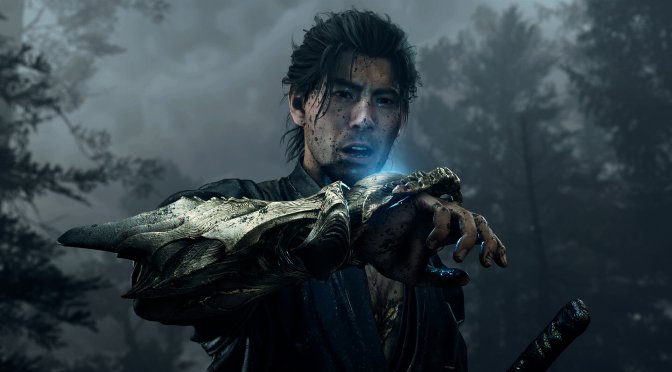
After two decades of dormancy, Onimusha: Way of the Sword marks a triumphant return for one of Capcom’s PS2 highlights. Back then, Capcom seemed to give key franchises to different platforms as exclusives. The PS2 had games like Onimusha and Devil May Cry. The Dreamcast had Power Stone. The GameCube was supposed to keep Viewtiful Joe as an exclusive…
Before I get off in the weeds, Way of the Sword shows that the publisher remains committed to both innovation and preservation. Capcom is investing not only in new intellectual properties like Pragmata, but also in reviving long-neglected classics like Onimusha and Okami. As a longtime fan of Capcom, I’m grateful to see the company embracing both its future and its legacy.
The most impressive aspect of Way of the Sword is its presentation. The game boasts excellent graphics and optimization, a hallmark of Capcom’s games that I also noted in my Pragmata review. Way of the Sword brings its dark fantasy vision of feudal Japan to life with rich detail. Its environments feel fully realized, and its character models are expressive.
Combat is where the game truly shines. The swordplay feels fluid, responsive, and rewarding. It focuses on timing, precision, and skill rather than simple button mashing. Every successful parry, counterattack, and finishing strike delivers a satisfying sense of control. The combat system feels modern, but it does not stay entirely faithful to the PS2 originals. It is a challenging action game, and while the classic entries brought Resident Evil to mind, this game does not. Victory feels earned, especially during the game’s standout boss fights. These encounters test the player’s understanding of the combat mechanics without feeling unfair.
Rather than feeling like a nostalgic cash grab, the game feels like a genuine effort to reestablish Onimusha as a key franchise. For fans who have waited years to see the series return, this revival is likely to be welcome. However, it departs from the original formula, which probably would not have appealed to a large modern audience.
That said, the game is not without flaws. My biggest criticism concerns its open hub structure. While I appreciate the attempt to offer a broader sense of exploration, the hub areas do not meaningfully improve the experience. At the same time, they do not significantly harm it either. As a result, this design choice feels largely neutral. Personally, I believe the game would have benefited from a more linear structure. This would have kept the pacing focused on its strongest elements: combat, atmosphere, and storytelling.
In reviewing other assessments of the game, I noticed that many critics have praised its core gameplay but also pointed out issues that I share. These include pacing problems, repetitive side content, reused encounters, and open-area sections that can feel like unnecessary padding. The game is at its best when it focuses on the main story and major battles. The extra activities sometimes weaken the overall experience.
Despite these shortcomings, Onimusha: Way of the Sword is a remarkable comeback for a franchise that could have easily remained forgotten. Its gorgeous visuals, strong optimization, fluid combat, and demanding gameplay make it one of Capcom’s strongest action titles in recent years. A more streamlined structure could have made it even better, but its strengths far outweigh its weaknesses. Onimusha: Way of the Sword proves that some classics deserve a second chance. The series’ return is not only successful but also a reminder of why Onimusha earned its reputation in the first place.

- Visual Presentation & Optimization
- Tight, fluid combat
- Challenging gameplay
- Successful and welcome return of a classic Capcom IP

- Open hub design doesn’t add much to the experience
- While I don’t blame them for evolving the formula and would note that Resident Evil has also evolved over the years (Onimusha was based off Resident Evil originally) some fans may regret to see the game become a more typical action experience vs. the prior survival horror elements present in the PS2 entries

Spencer joined us in early 2015, previously a console centric gamer he switched to PC a few years ago. He later helped push for an increase in Japanese content on PC with the #SEGAPCPorts campaign. Previously he ran a SEGA fansite as well as co-hosted a gaming podcast. He thinks Duke Nukem 3D is the best FPS of all time, his text message alert on his phone is literally Duke Nukem saying “Let God sort ’em out.”
Contact: Email