

A couple of days ago, Konami released the latest part in its Silent Hill series, Silent Hill: Townfall. Powered by Unreal Engine 5, it’s time to benchmark it and examine its performance on PC.
For our benchmarks, I used an AMD Ryzen 9 7950X3D, 32GB of DDR5 at 6000Mhz, AMD’s Radeon RX 6900XT, RX 7900XTX, RX 9070XT, as well as NVIDIA’s RTX 2080Ti, RTX 3080, RTX 4090, RTX 5080, and RTX 5090. I also used Windows 10 64-bit, as well as the GeForce 617.14 and the Radeon Adrenalin Edition 26.9.1 drivers.
Annapurna has added a few graphics settings to tweak. PC gamers can adjust the quality of Fog, Textures, Reflections, Shadows, and more. The game also has a Ray Tracing setting that enables Hardware Lumen. Moreover, it supports NVIDIA DLSS and AMD FSR Super Resolution. However, there is no support for Frame Generation or for Intel XeSS.
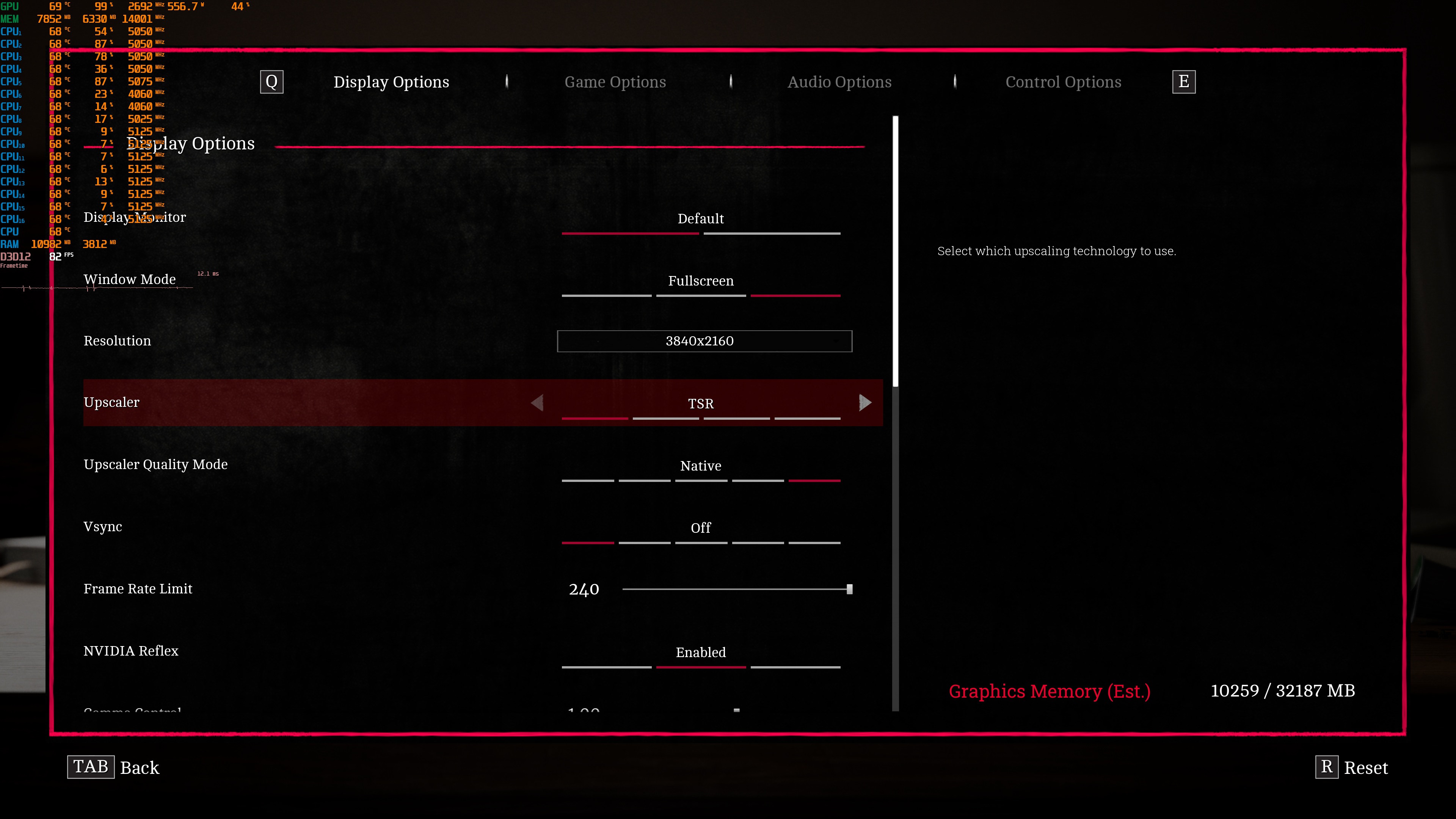
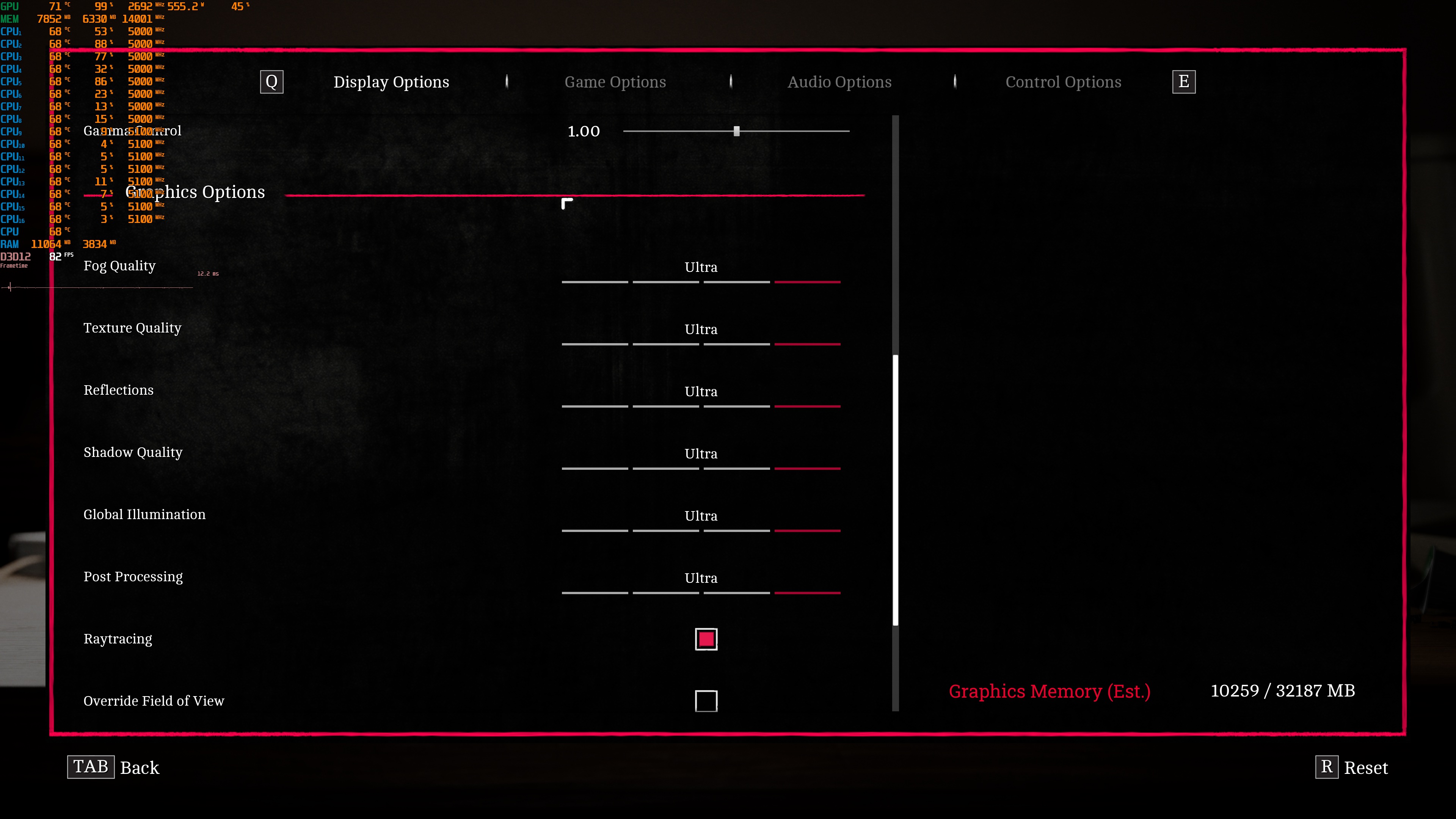
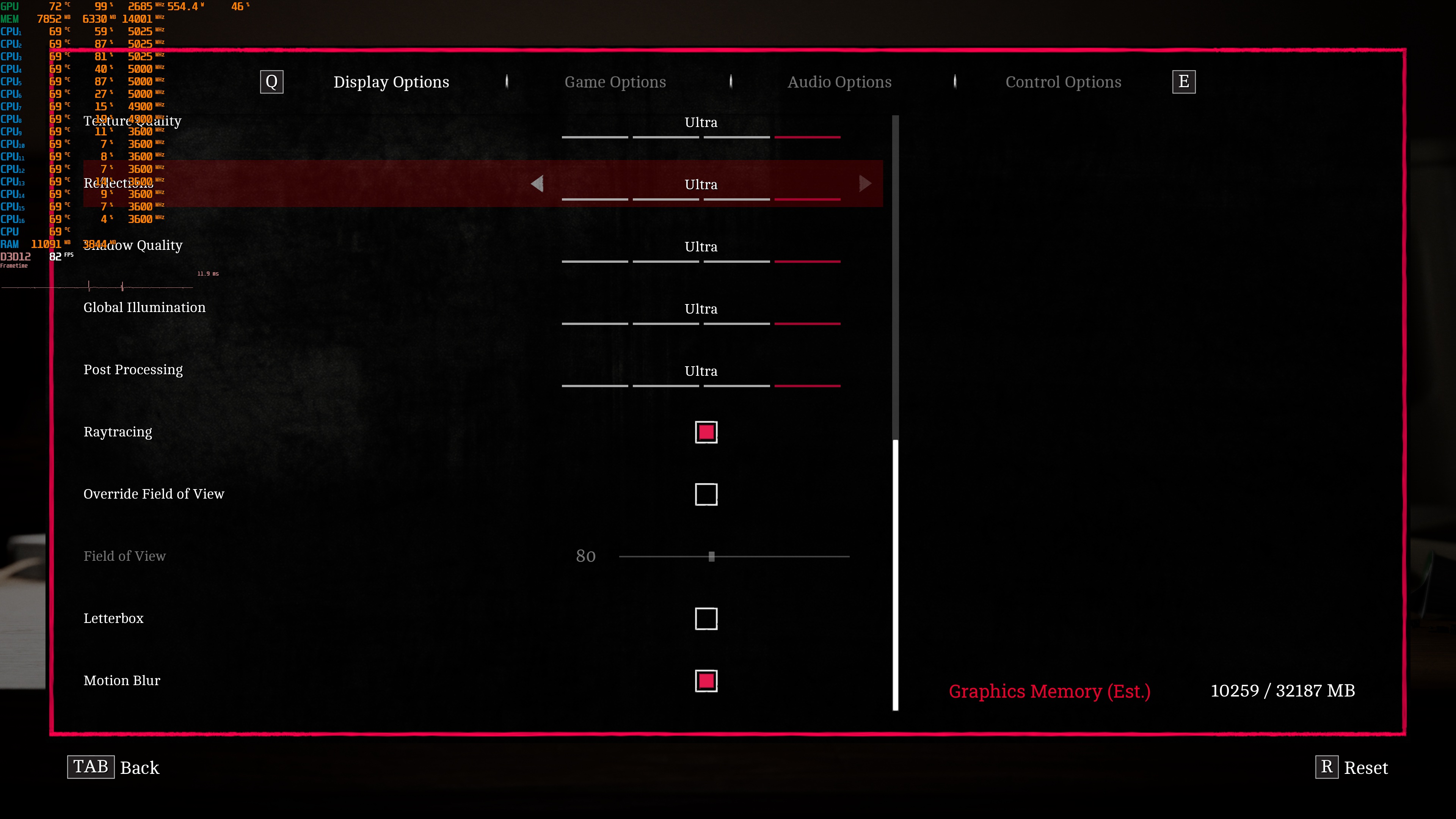
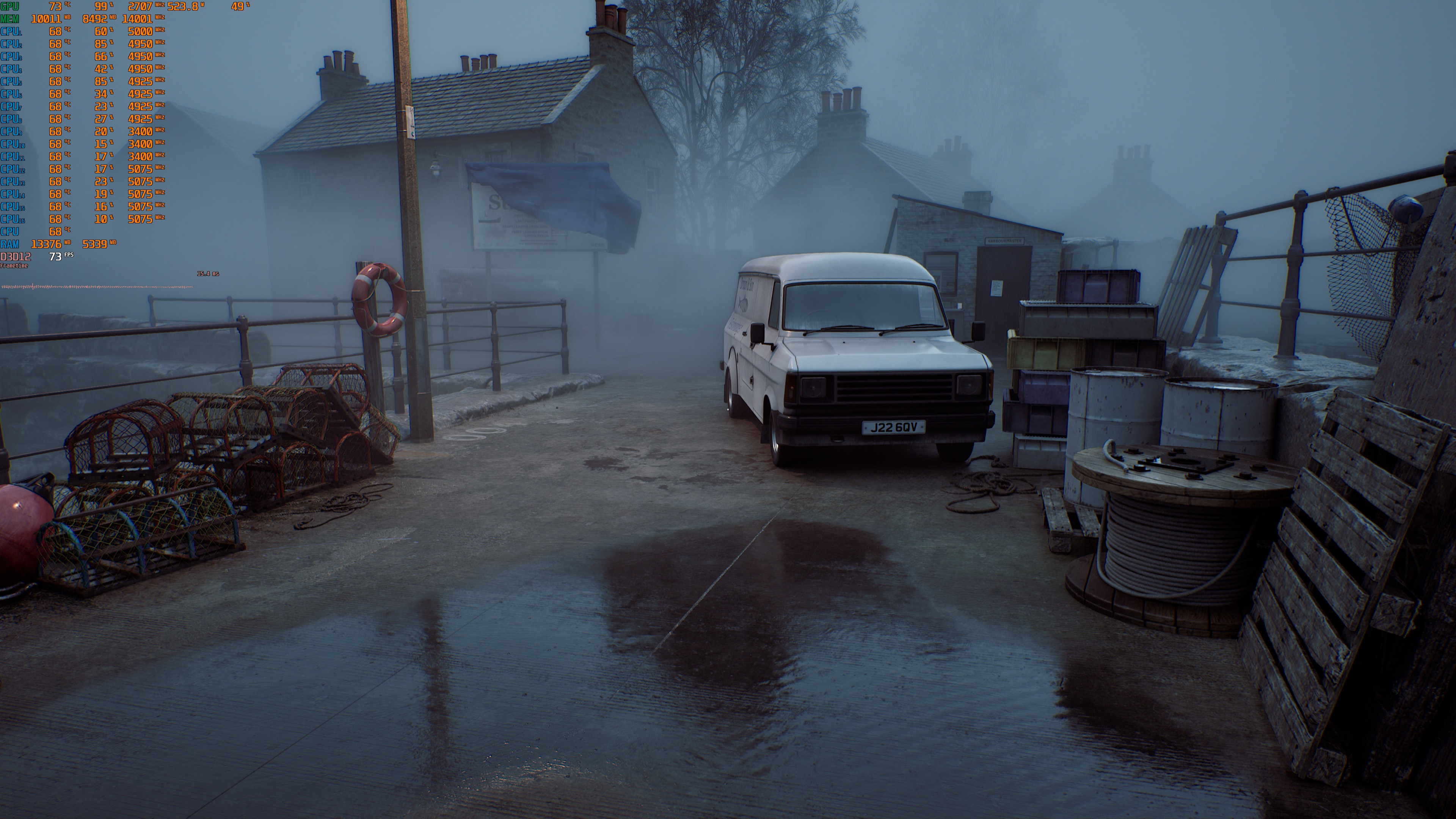
Silent Hill: Townfall does not have a built-in benchmark tool. So, for our benchmarks, I used this area. From what I could see, this was one of the most demanding ones you can find early in the game.
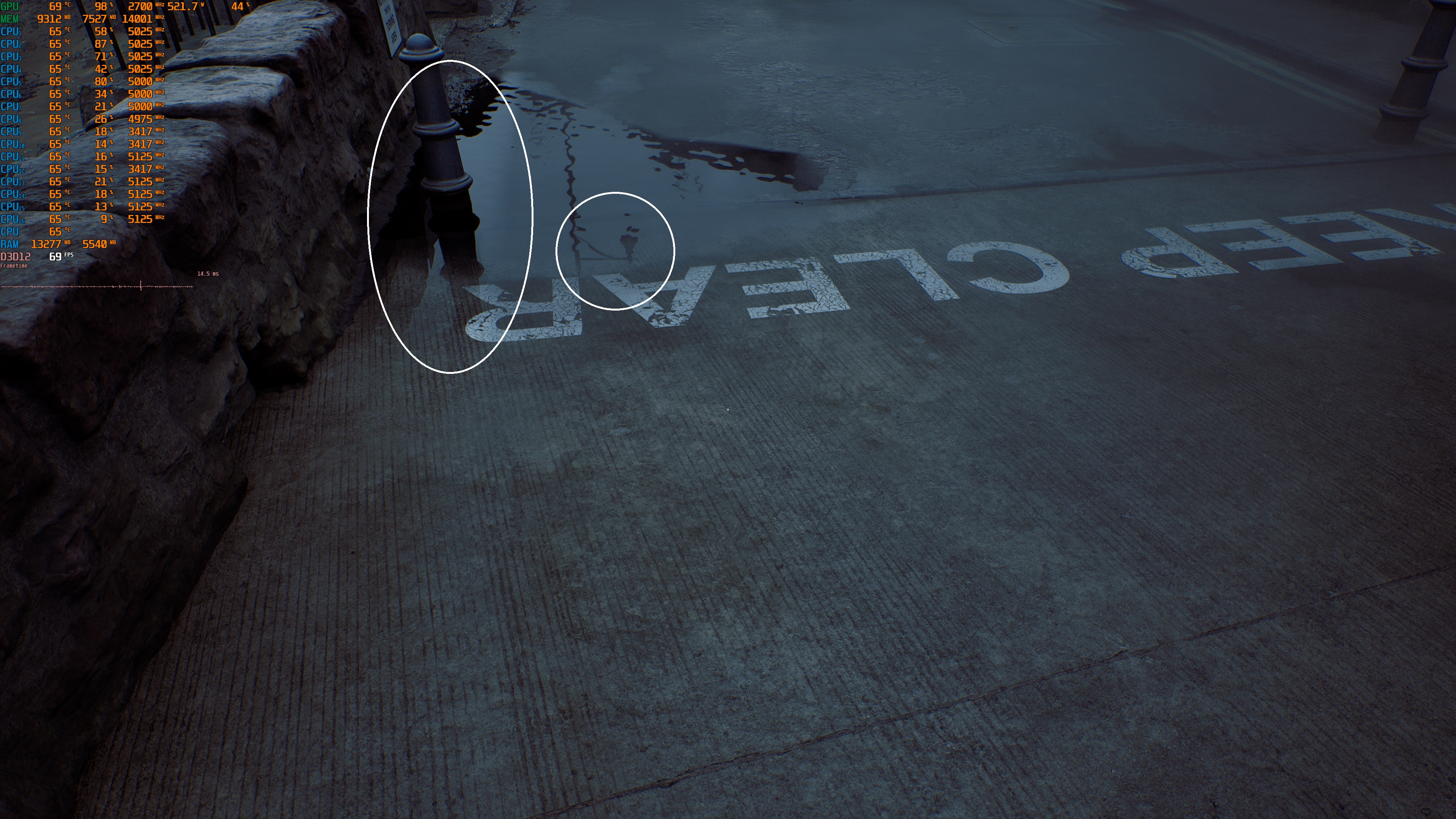
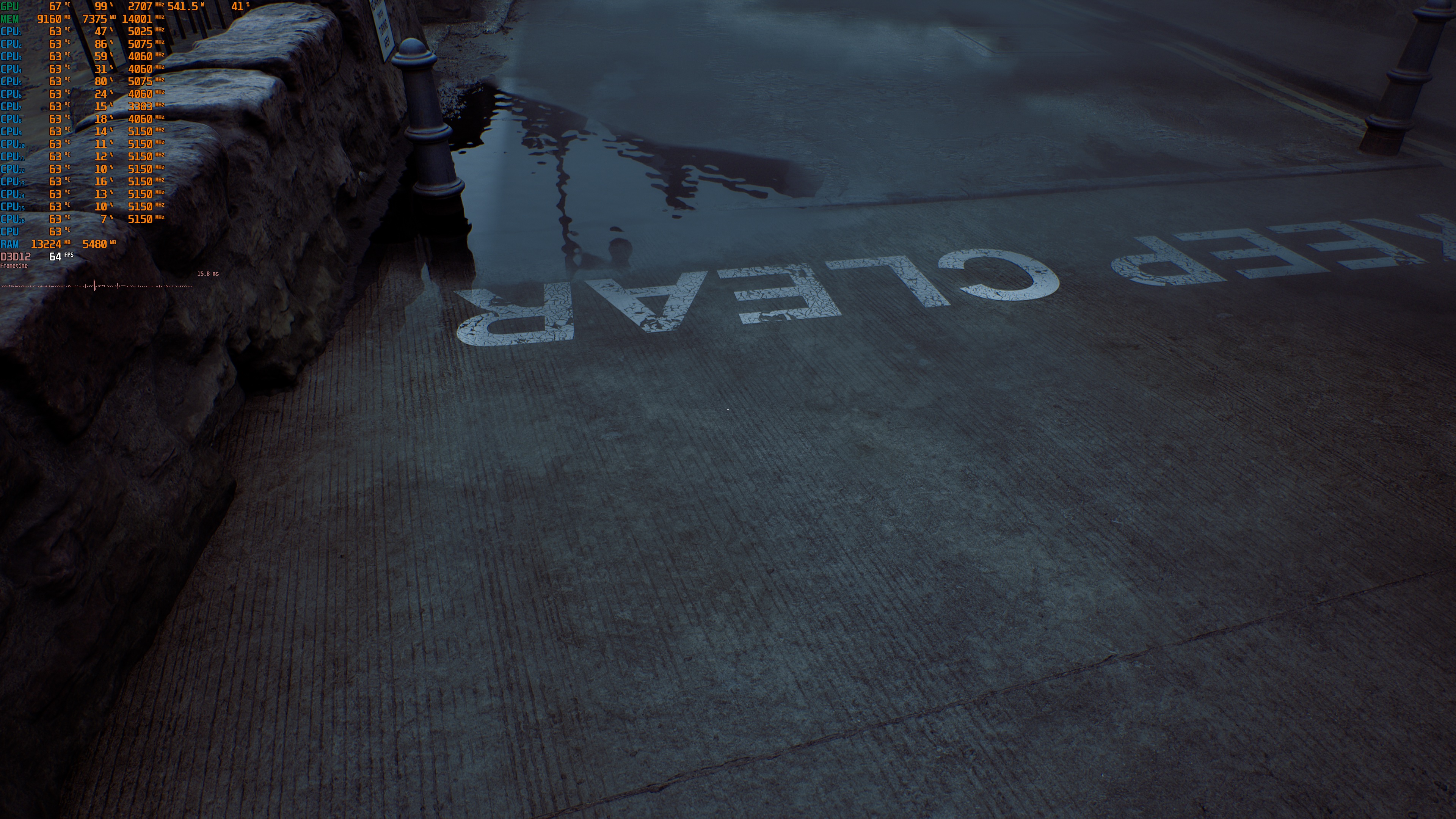
Before we continue, I want to point out something strange. Silent Hill: Townfall runs faster with Hardware Lumen. Here’s a comparison. I’ve also circled the key areas. As you can see, Hardware Lumen (left) looks better and also runs faster than Software Lumen (right). I was able to replicate this multiple times. This is the first time I have seen a UE5 game run faster with Hardware Lumen.
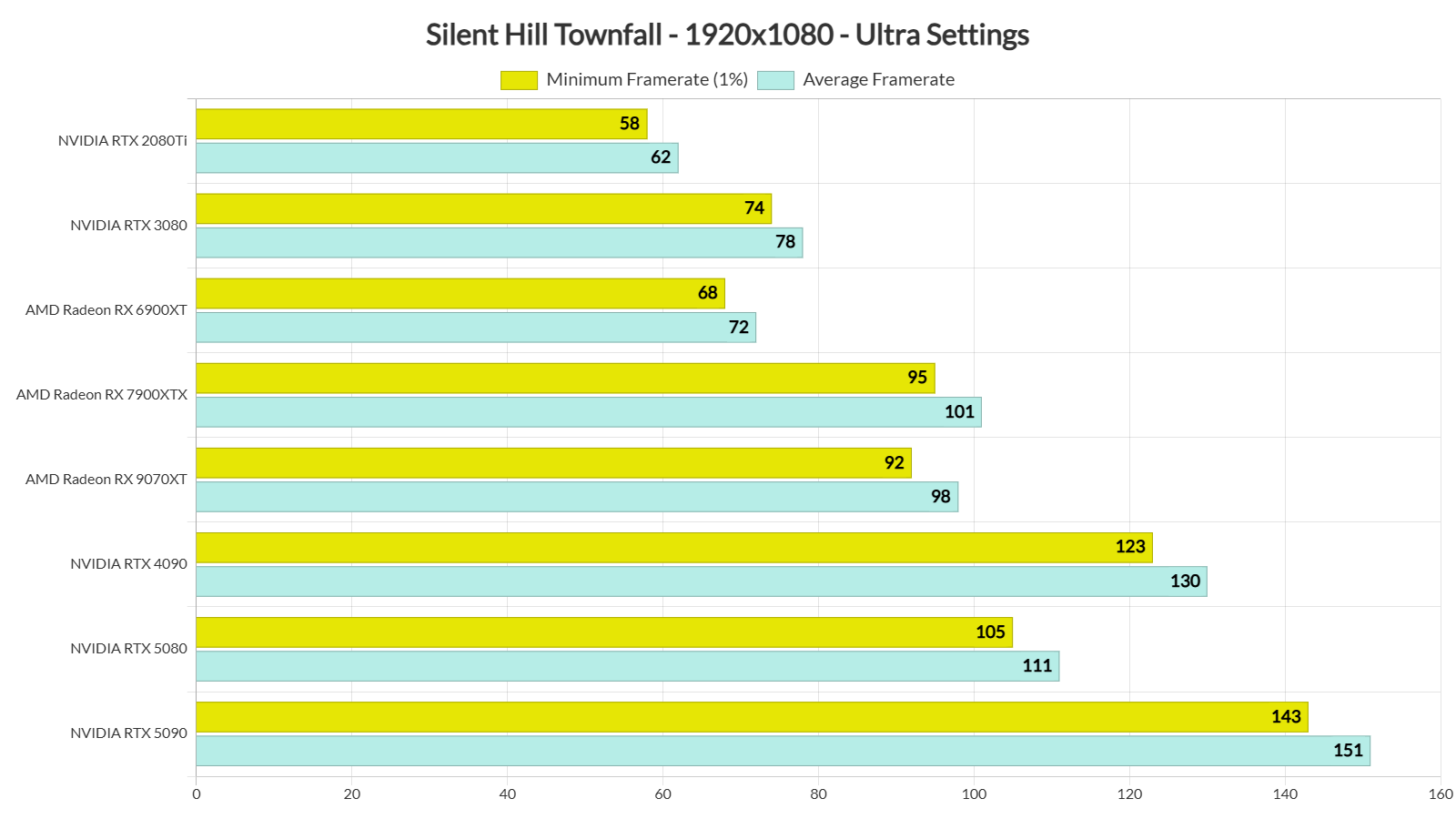
At 1080p/Ultra settings, all our GPUs were able to provide a smooth gaming experience. Even our NVIDIA RTX 2080Ti was able to offer solid performance. If you also own a G-Sync monitor, you won’t notice its drops to 58 FPS.
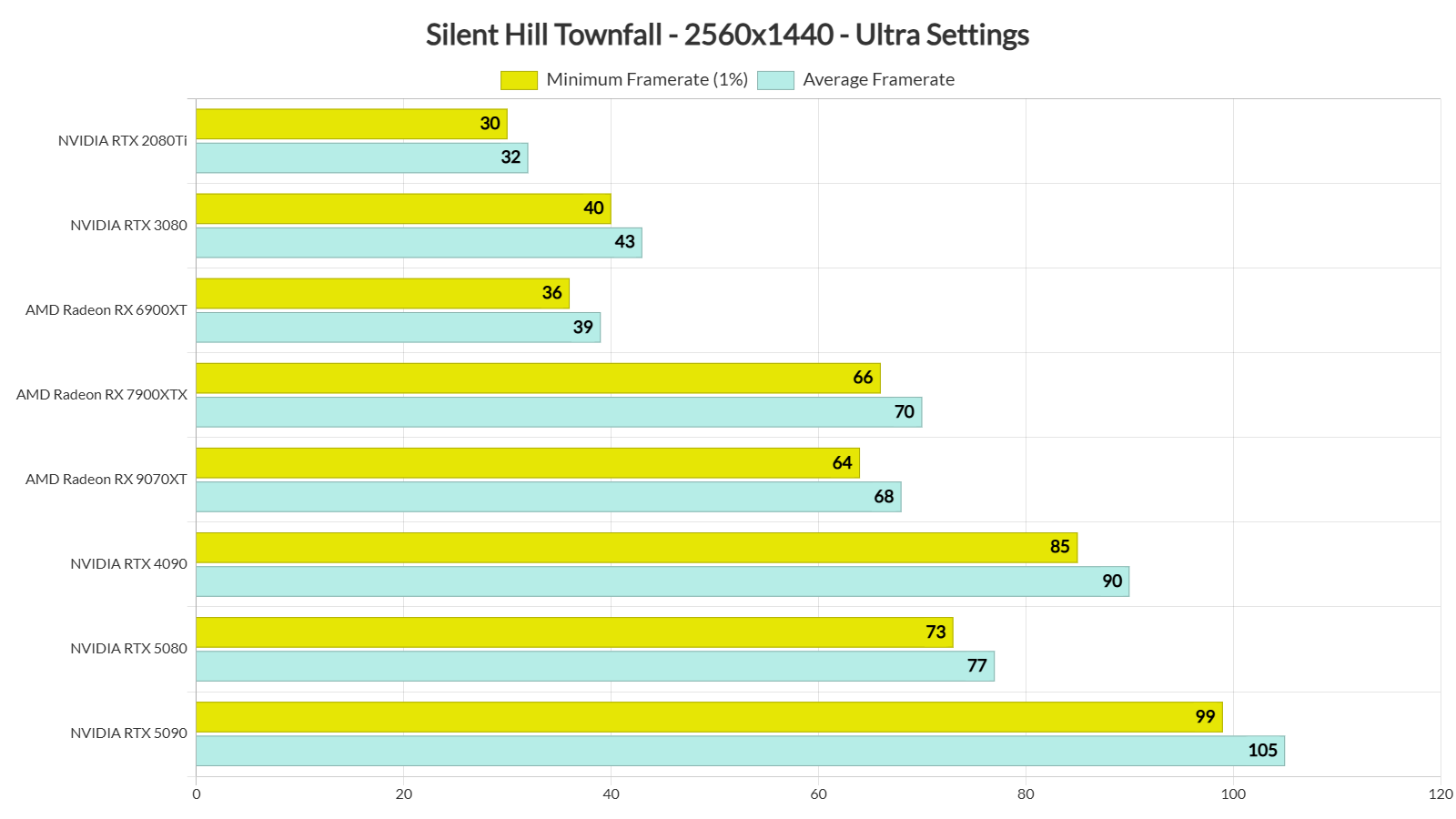
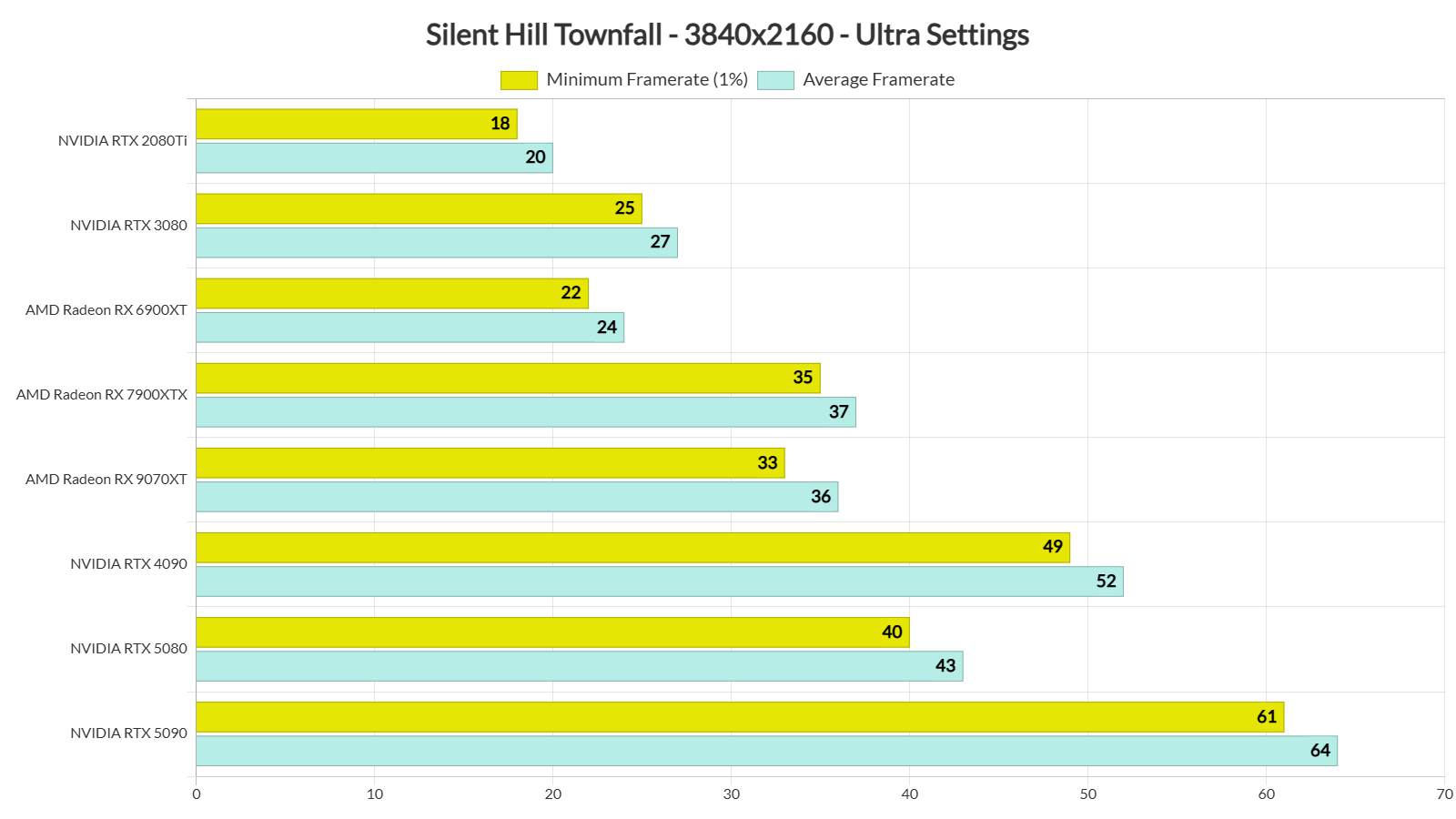
Our top five GPUs were able to run the game at over 60 FPS at 1440p/Ultra settings. As for Native 4K/Ultra, the only GPU that was able to provide a 60 FPS experience was the NVIDIA RTX 5090.
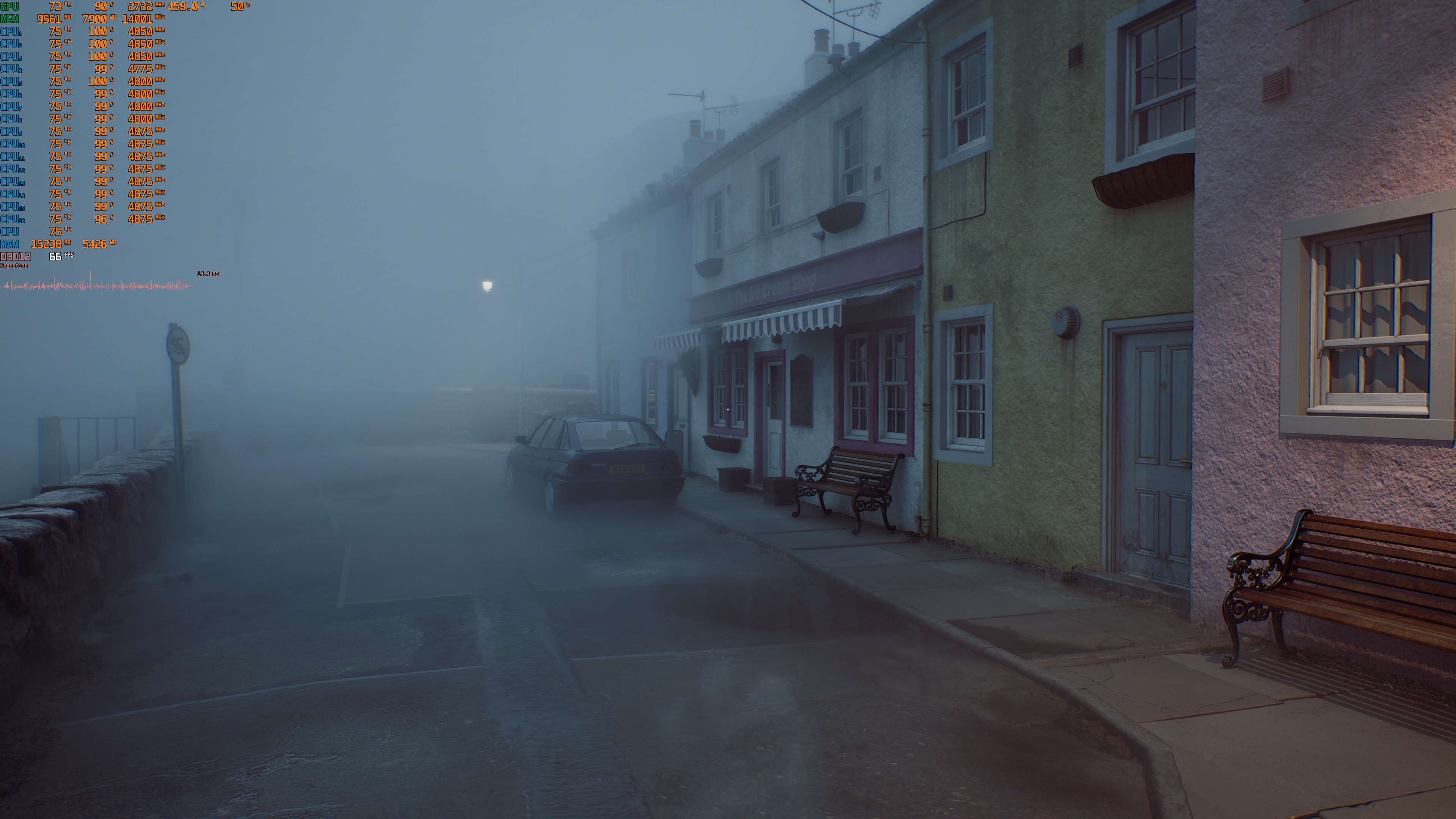
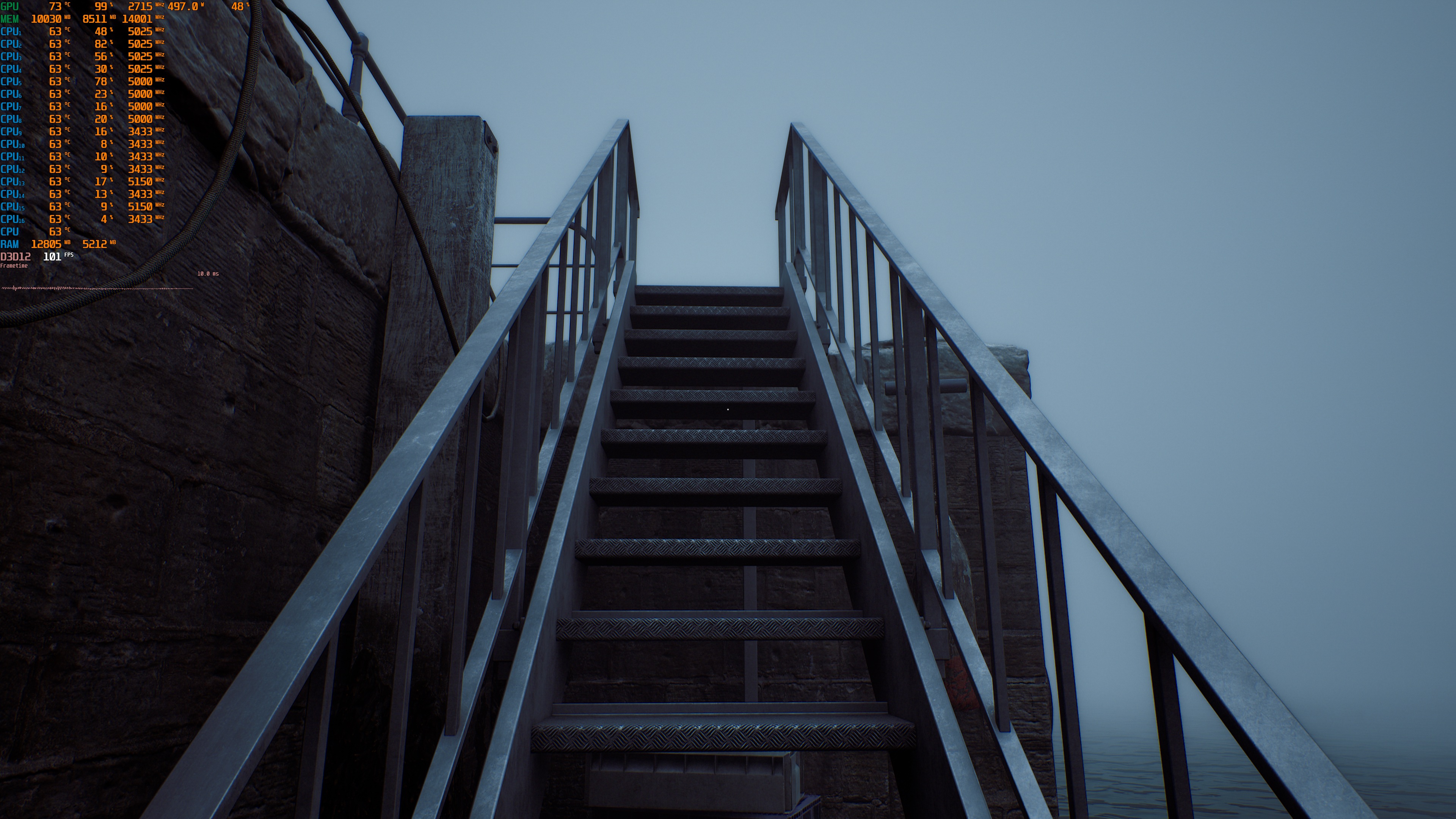
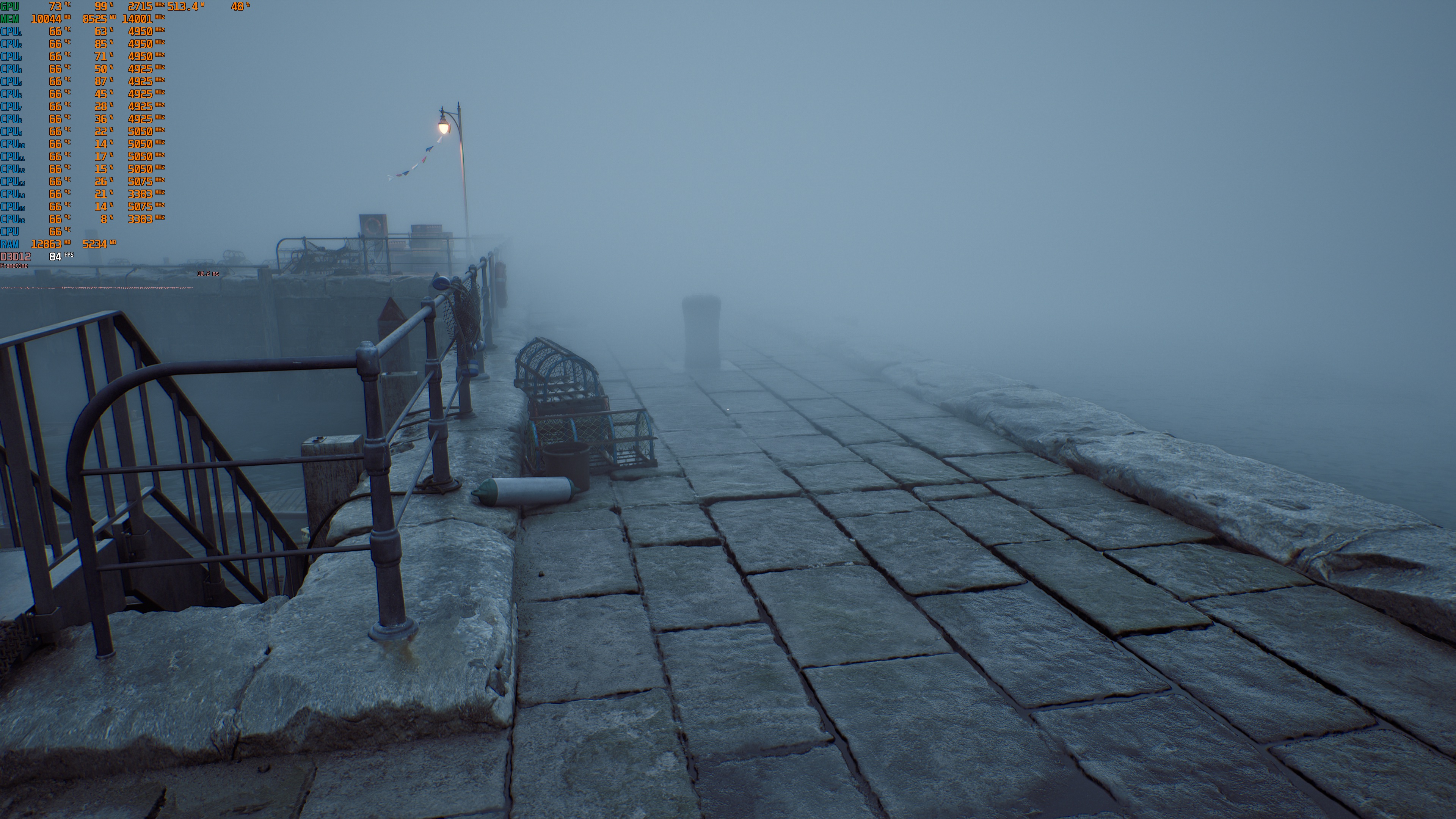
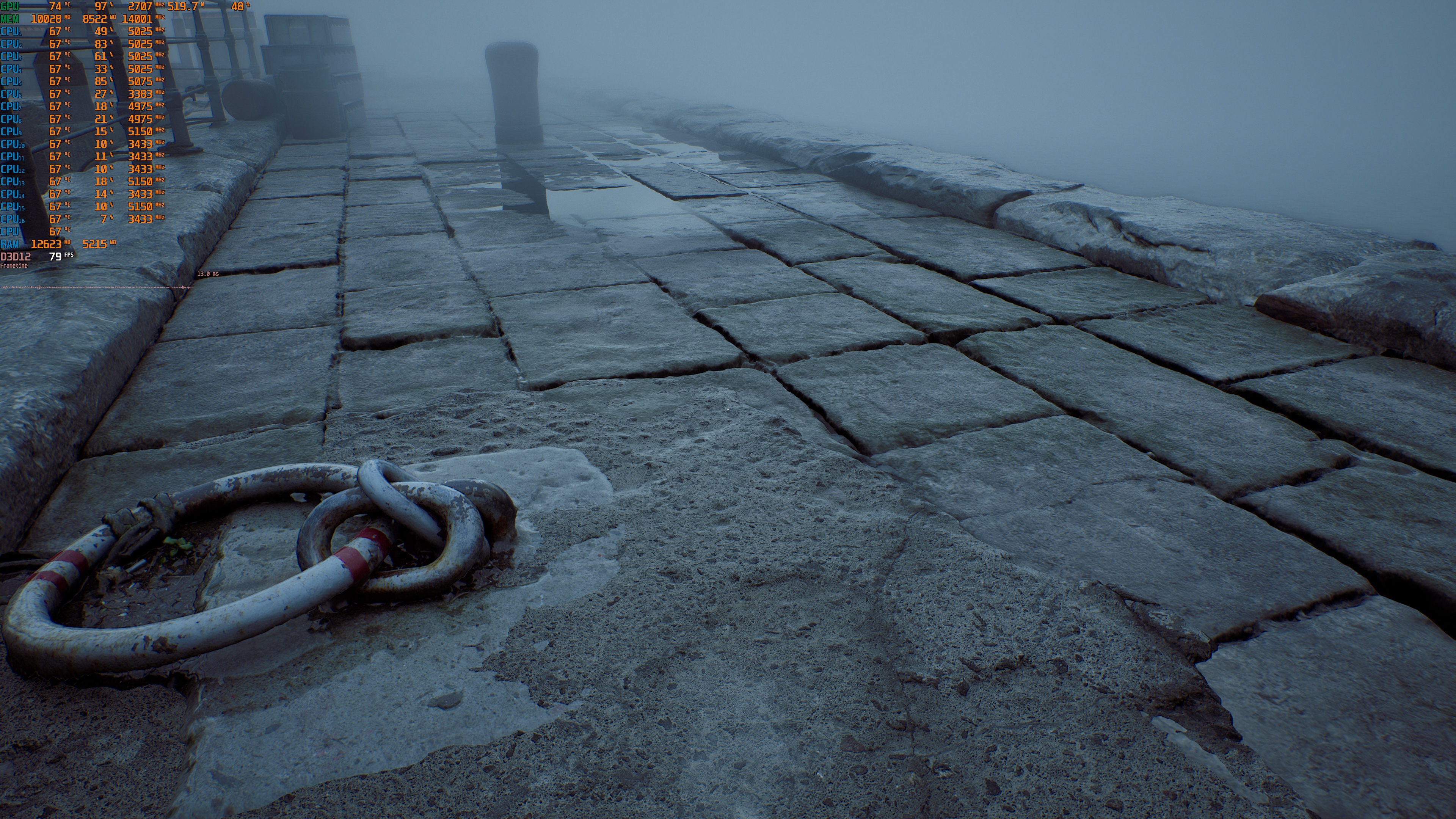
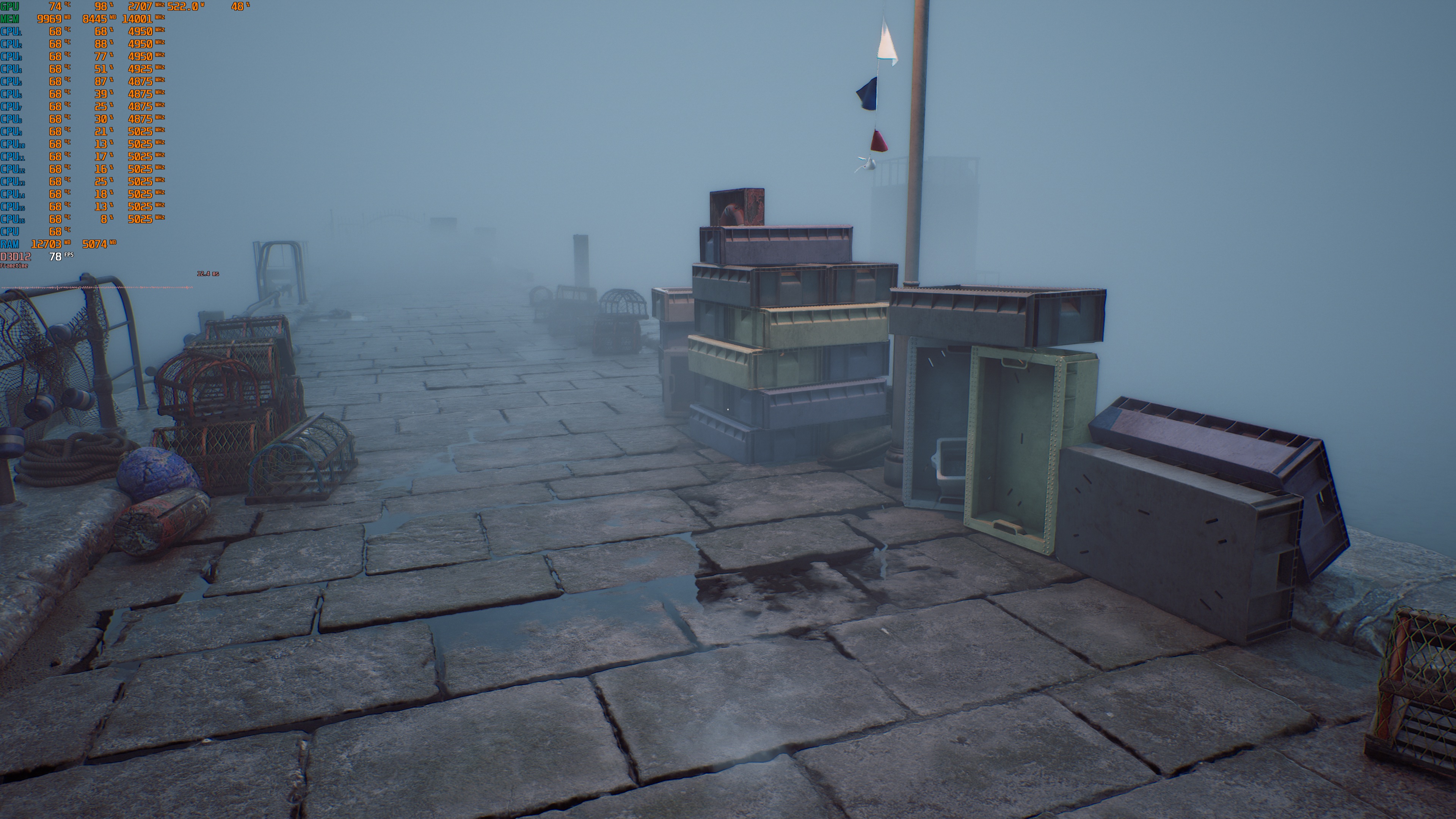
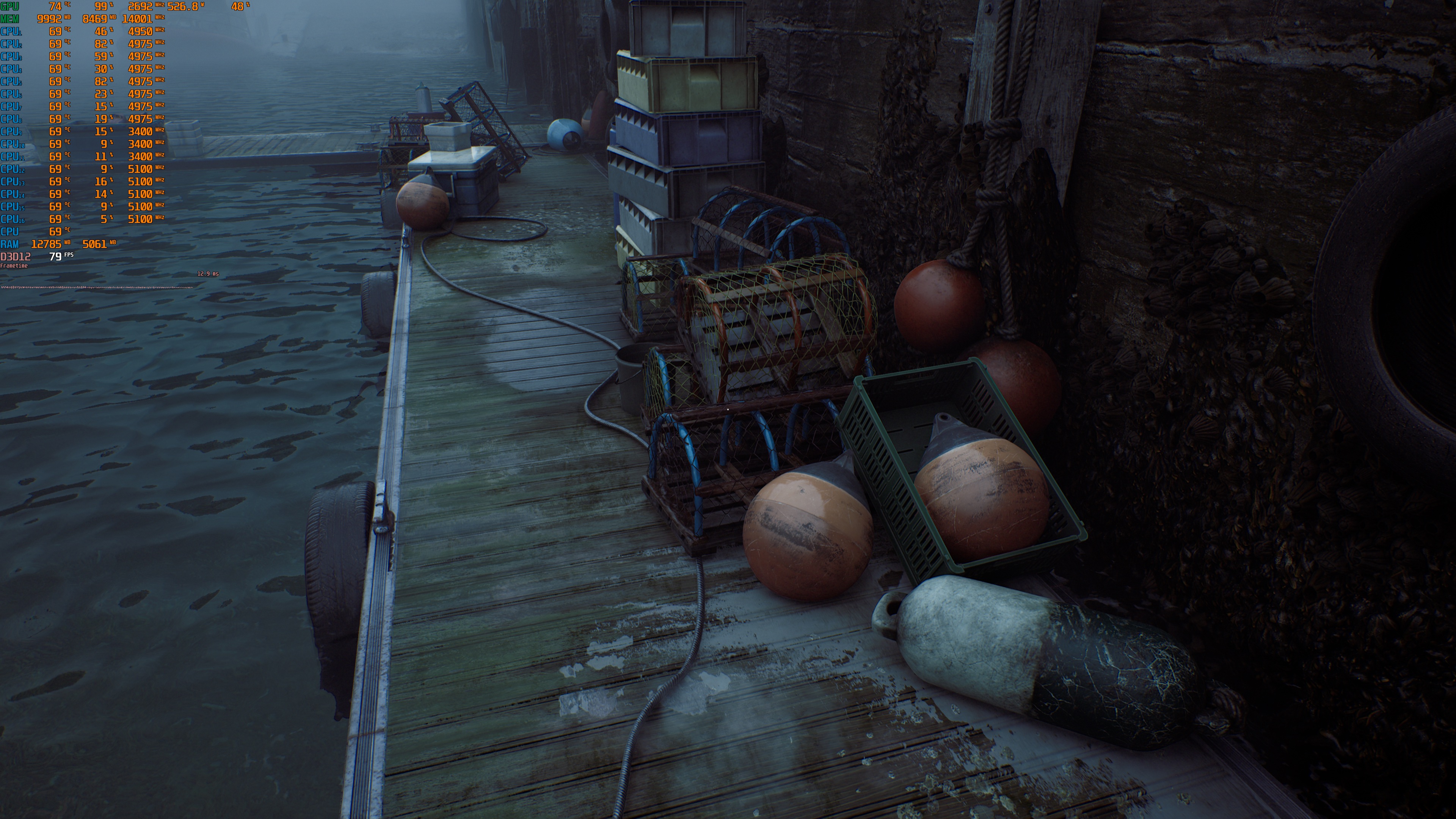
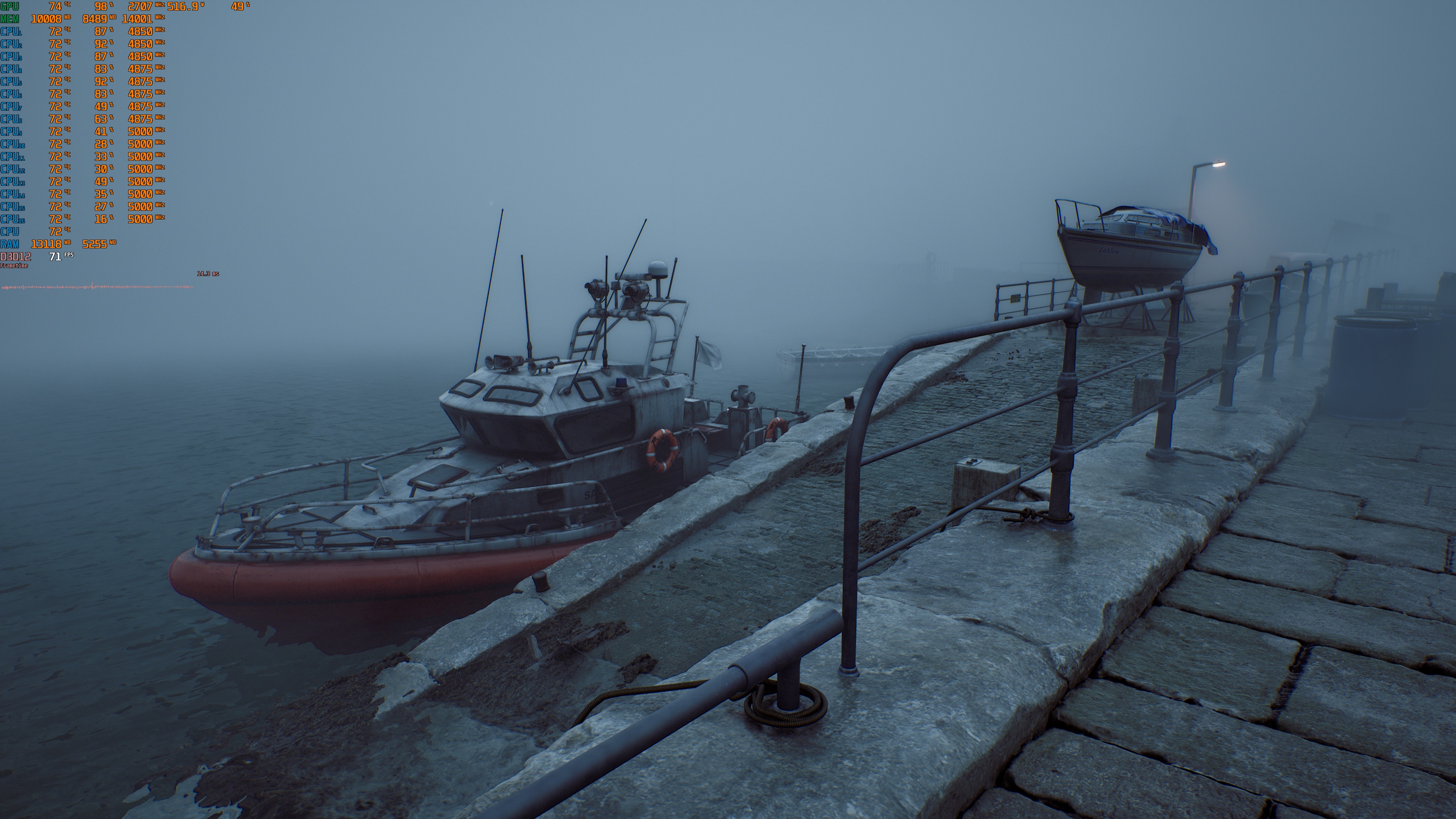
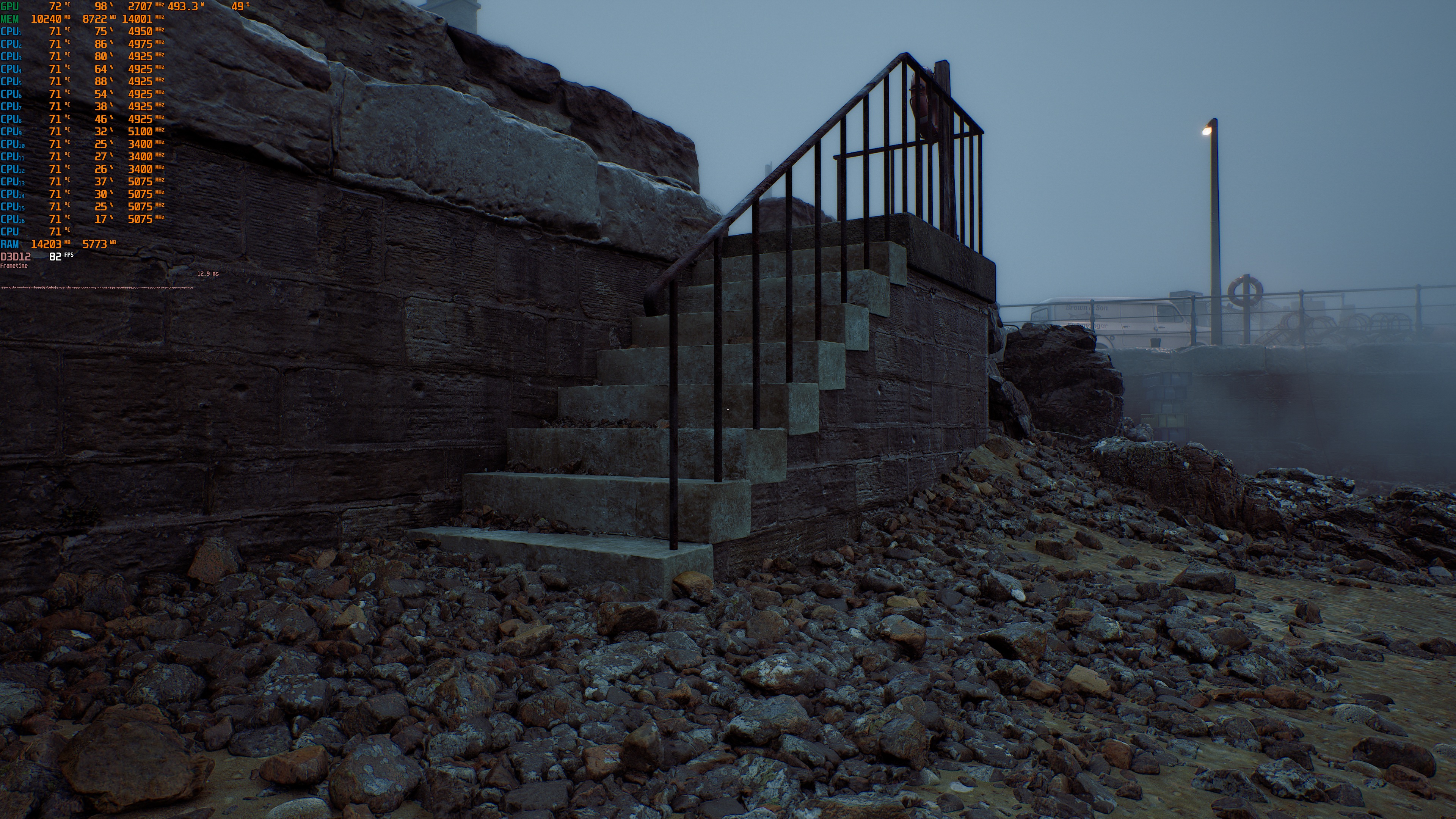
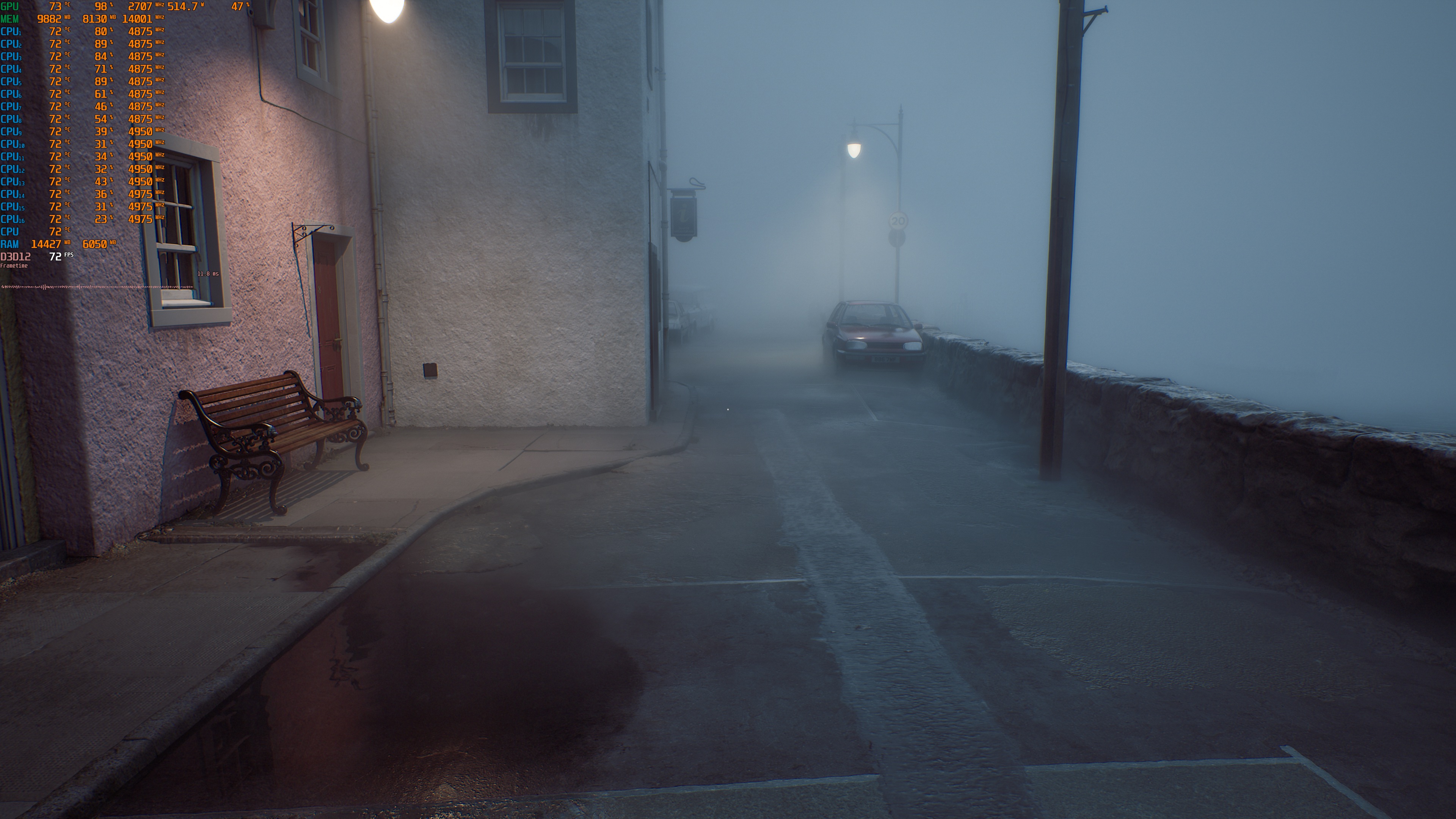
Graphics-wise, Silent Hill: Townfall looks amazing. It is one of the best-looking UE5 games we have seen so far. The materials look great and add a lot of detail to the world. If I had to point out one issue, it would be the limited environmental interaction. There are also quite a few invisible walls. The character models also do not match the quality of the environments. They still look great, but the environments are a step or two above them.
Sadly, though, there is one big technical issue with Silent Hill: Townfall. And that’s the shader compilation stutters I mentioned in my previous article. The game compiles a lot of its shaders while you play. This can cause big stutters on many PCs. On my AMD Ryzen 9 7950X3D, I had some very rough stutters. So, I can only imagine how bad this may be on a weaker CPU.
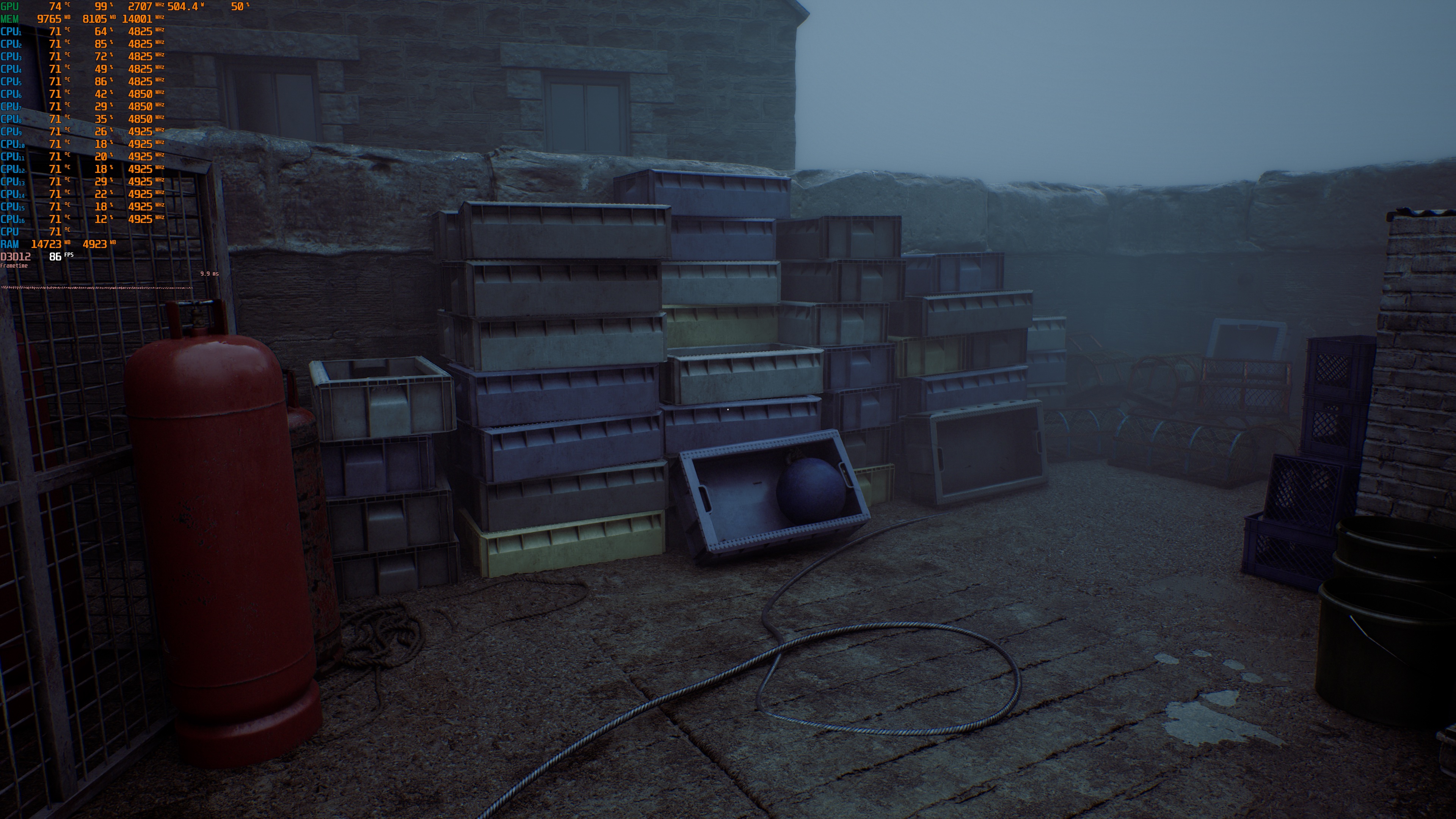
Here is a shot taken during the shader compilation stutters. You can clearly see that all of my CPU cores are fully used. The frametime graph is also very erratic.
I hope the devs add an option to compile ALL shaders the first time you launch the game. The game does have a shader step at launch. However, it does not compile all the shaders. I am not sure why they chose this method. In its current state, Silent Hill: Townfall feels rough due to these shader stutters.
All in all, and leaving out the shader compilation stutters, Silent Hill: Townfall looks and runs better than most UE5 games. It is a looker on PC. Still, it is not perfect. The game would benefit from Frame Generation. Furthermore, the shader stutters are very frustrating. So, here is hoping that the devs will fix them in a post-launch update.
Stay tuned for more!

John is the founder and Editor in Chief at DSOGaming. He is a PC gaming fan and highly supports the modding and indie communities. Before creating DSOGaming, John worked on numerous gaming websites. While he is a die-hard PC gamer, his gaming roots can be found on consoles. John loved – and still does – the 16-bit consoles, and considers SNES to be one of the best consoles. Still, the PC platform won him over consoles. That was mainly due to 3DFX and its iconic dedicated 3D accelerator graphics card, Voodoo 2. John has also written a higher degree thesis on the “The Evolution of PC graphics cards.”
Contact: Email