

Supermassive Games has just released Directive 8020. Powered by Unreal Engine 5, the game supports both Path Tracing and DLSS 4 on PC. So, before publishing our PC Performance Analysis, I’ve decided to take a look at these two features. So, let’s dive in.
For these early Path Tracing, Ray Tracing, and DLSS 4 benchmarks, I used an AMD Ryzen 9 7950X3D, 32GB of DDR5 at 6000Mhz, and an NVIDIA GeForce RTX 5090. I also used Windows 10 64-bit and the GeForce 596.49 driver.
By default, Directive 8020 uses Software Lumen. As I’ve said multiple times, this is still a form of Ray Tracing. Then, when you enable Ray Tracing, you actually get support for Hardware Lumen. And finally, Path Tracing enables… well… Path Tracing.
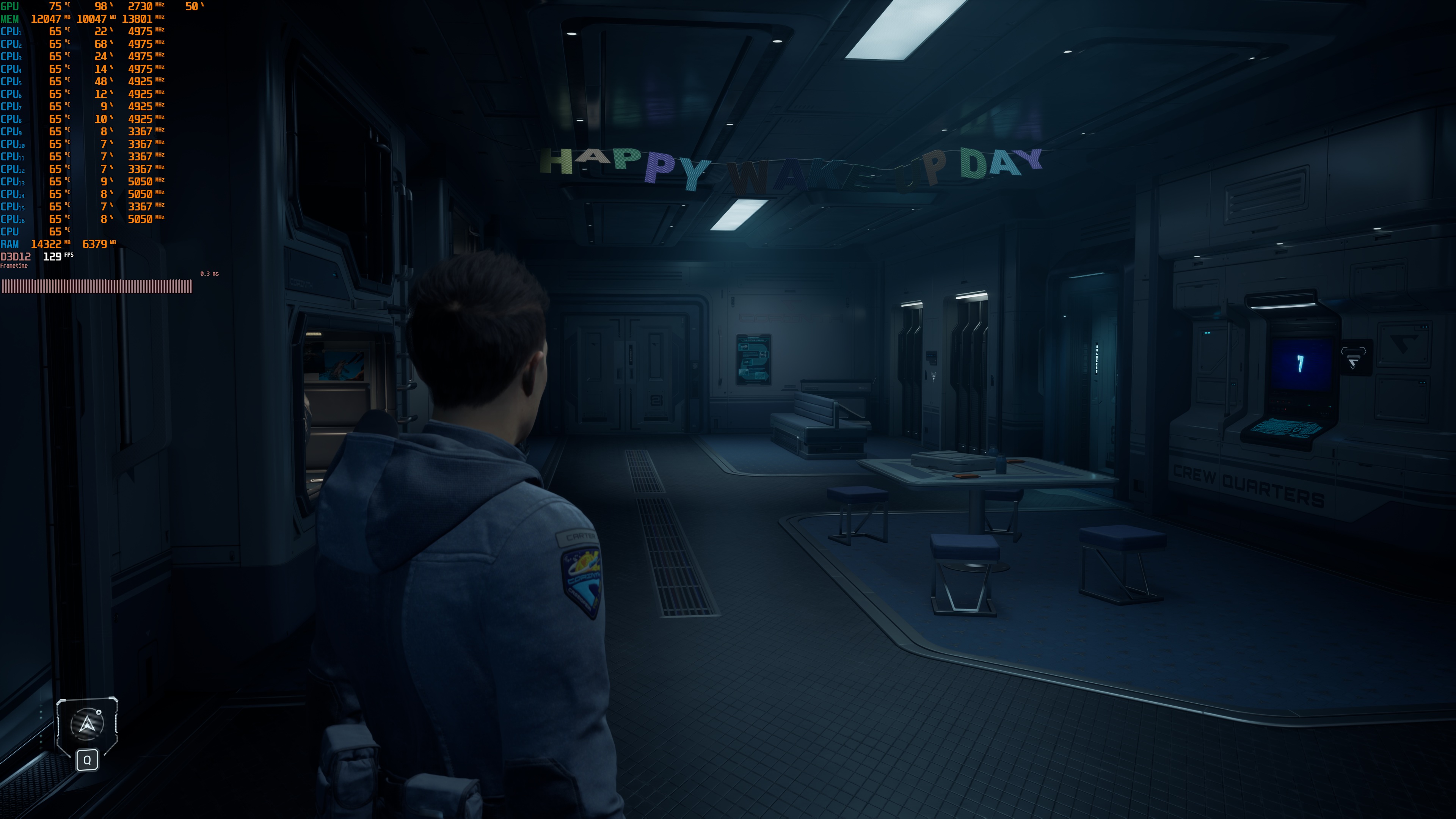
Directive 8020 does not have a built-in benchmark tool. So, for our benchmarks, I’ve tested the starting area. From the get-go, this appeared to be a demanding area.
At Native 4K, the game can run with a minimum of 77FPS and an average of 83FPS. For a game that uses Software Lumen, these are actually great results. It’s been a while since we saw a UE5 game that can run with over 60FPS at Native 4K when using Software Lumen.
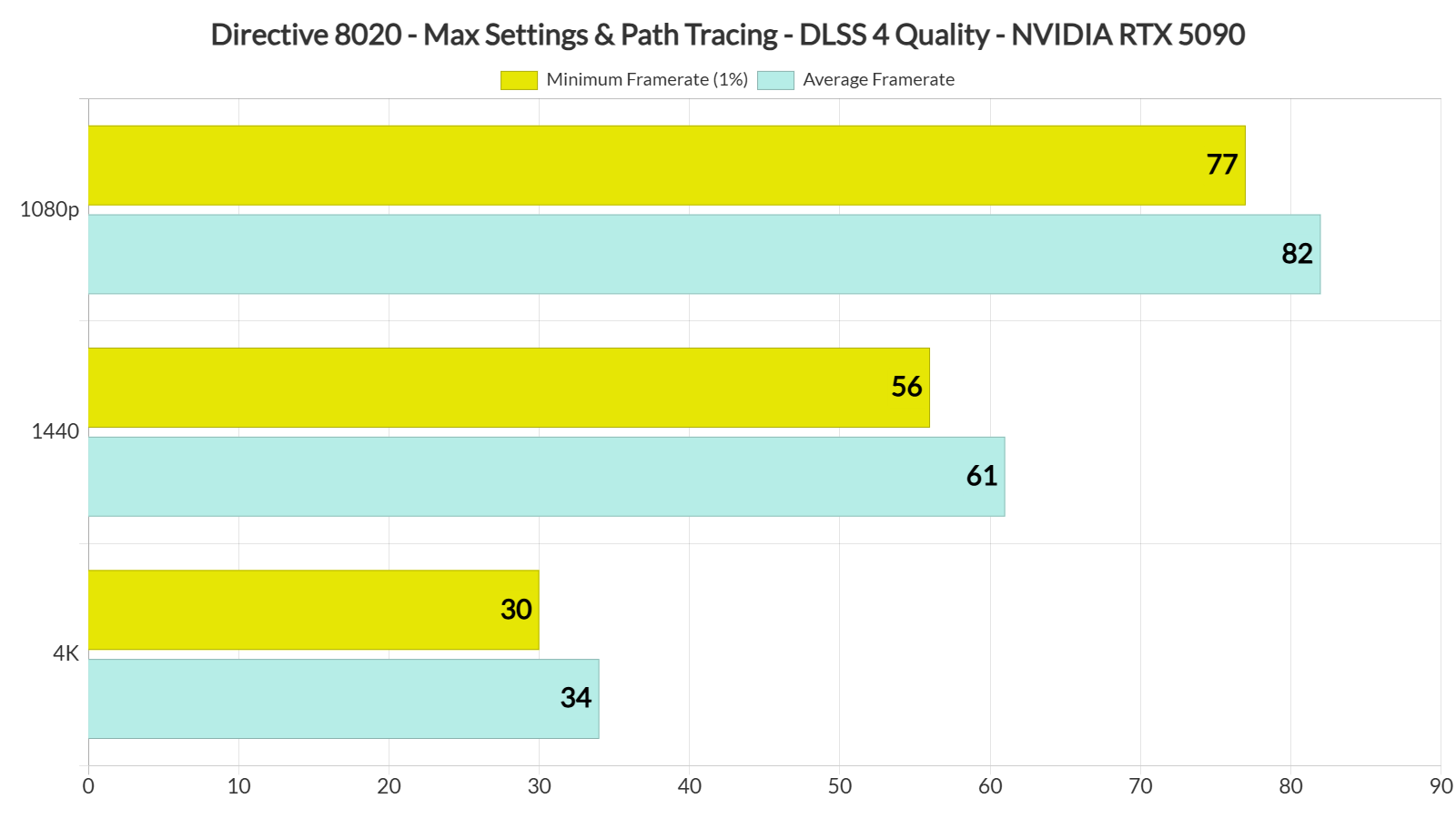
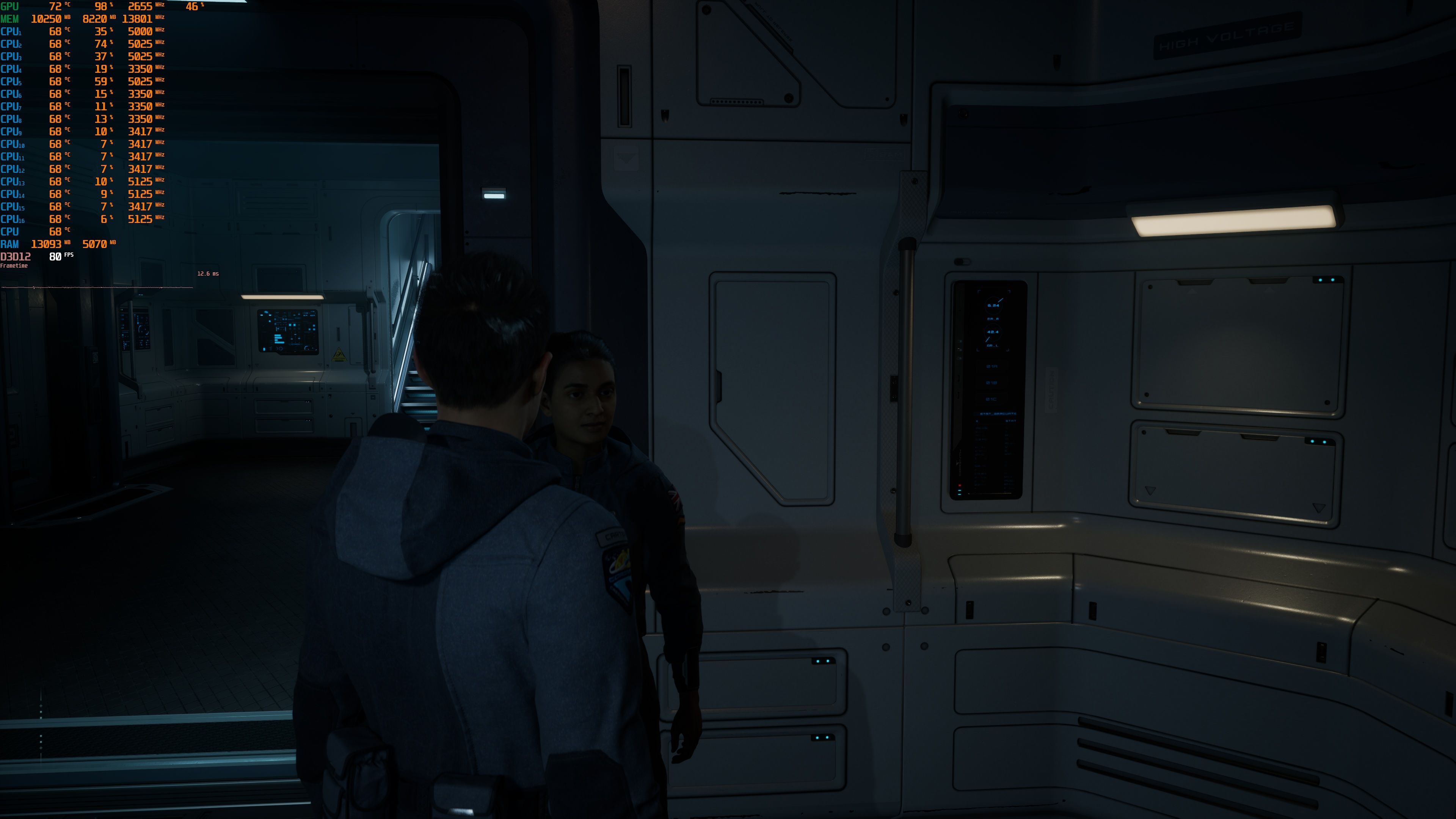
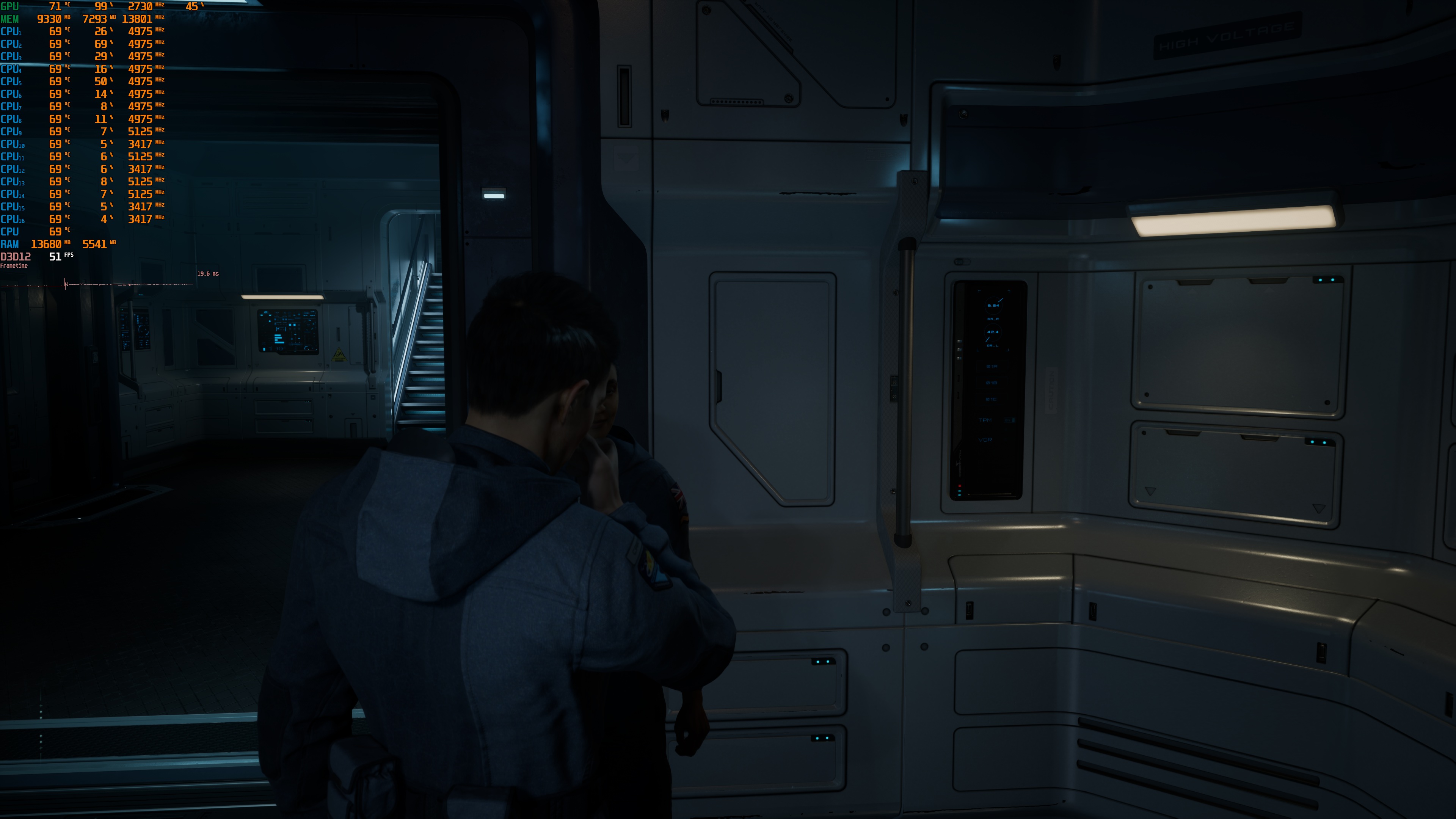
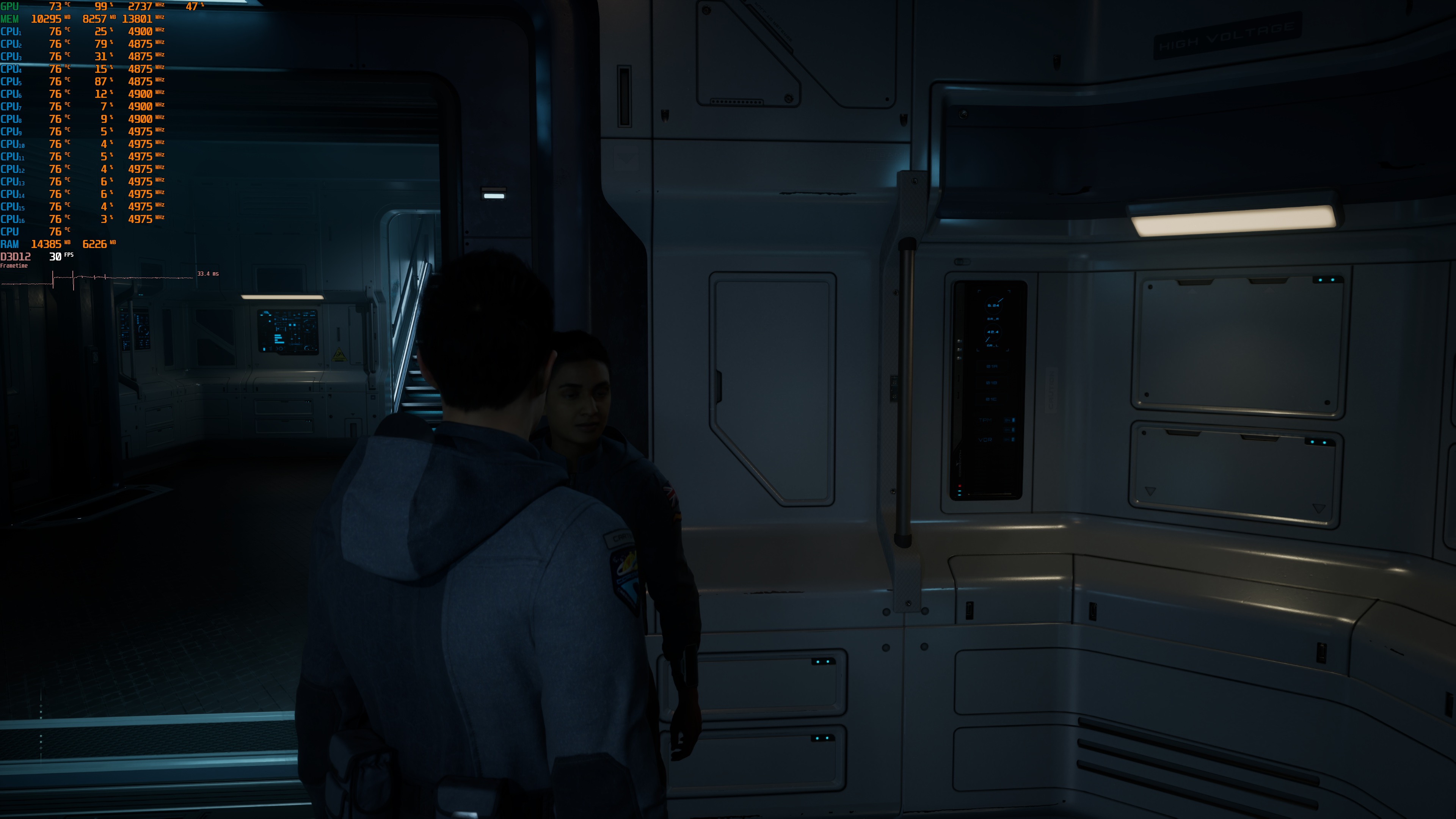
However, performance goes downhill the moment you enable Ray Tracing. At 4K with DLSS 4 Quality, the game ran with a minimum of 55FPS and an average of 63FPS. And when we enabled Path Tracing, we got to the 30s. Again, that’s 4K with DLSS 4 Quality.
At this point, I should note that the game will force DLSS 4 Super Resolution the moment you enable Path Tracing. There is no way to run Path Tracing at native resolutions (the game also disables DLAA).
Right now, the most powerful PC GPU is unable to even run the game with a constant 60FPS at 1440p with DLSS 4 Quality. This should give you an idea of how demanding Path Tracing is. This is also why Frame Gen is essential for those who want to enable Path Tracing in any game.
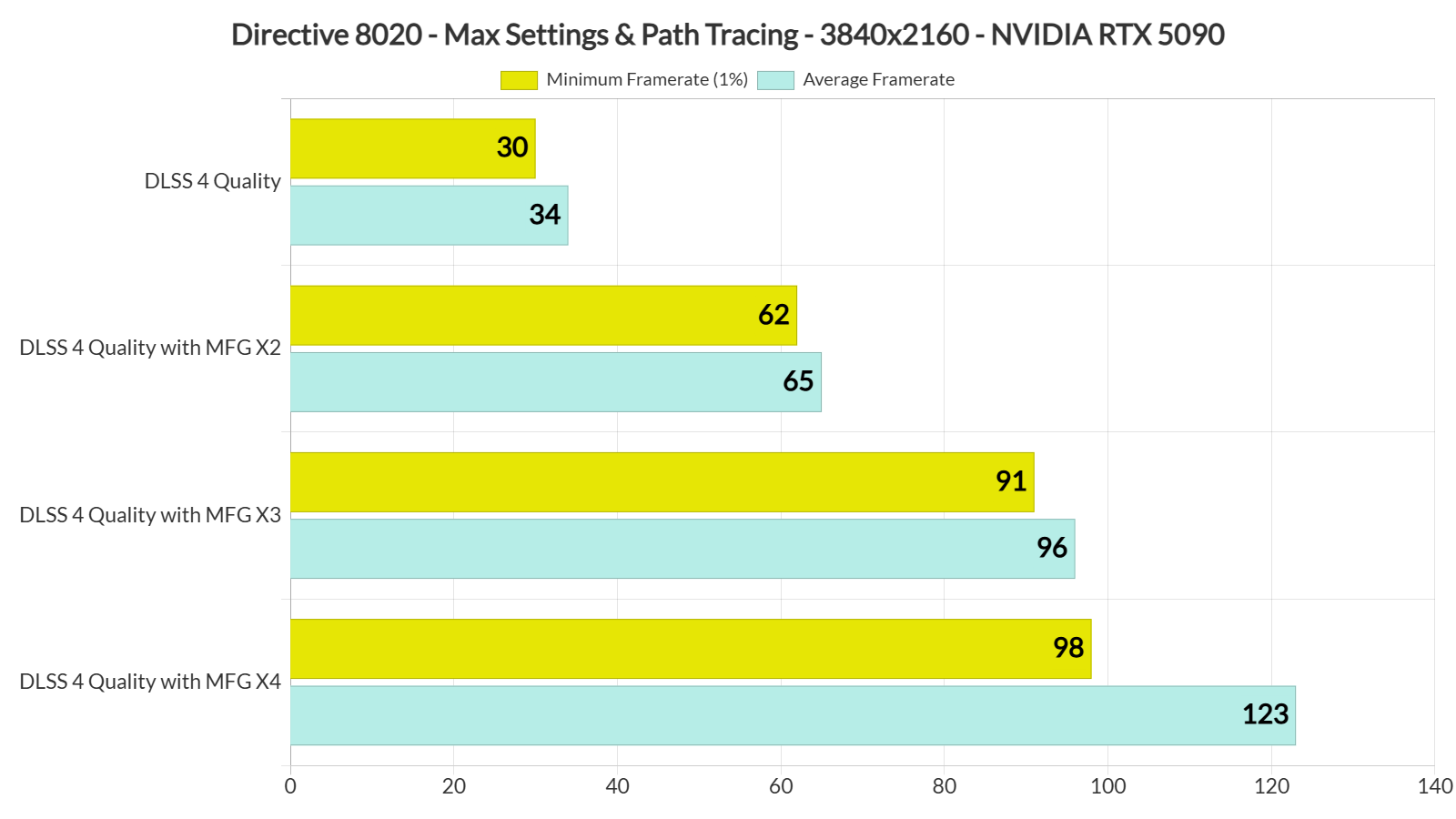
At 4K with DLSS 4 Quality and MFG X2, we get to 62-65FPS. Then, with MFG X3, we get to 91-96FPS. And finally, with MFG X4, we get to 120FPS.
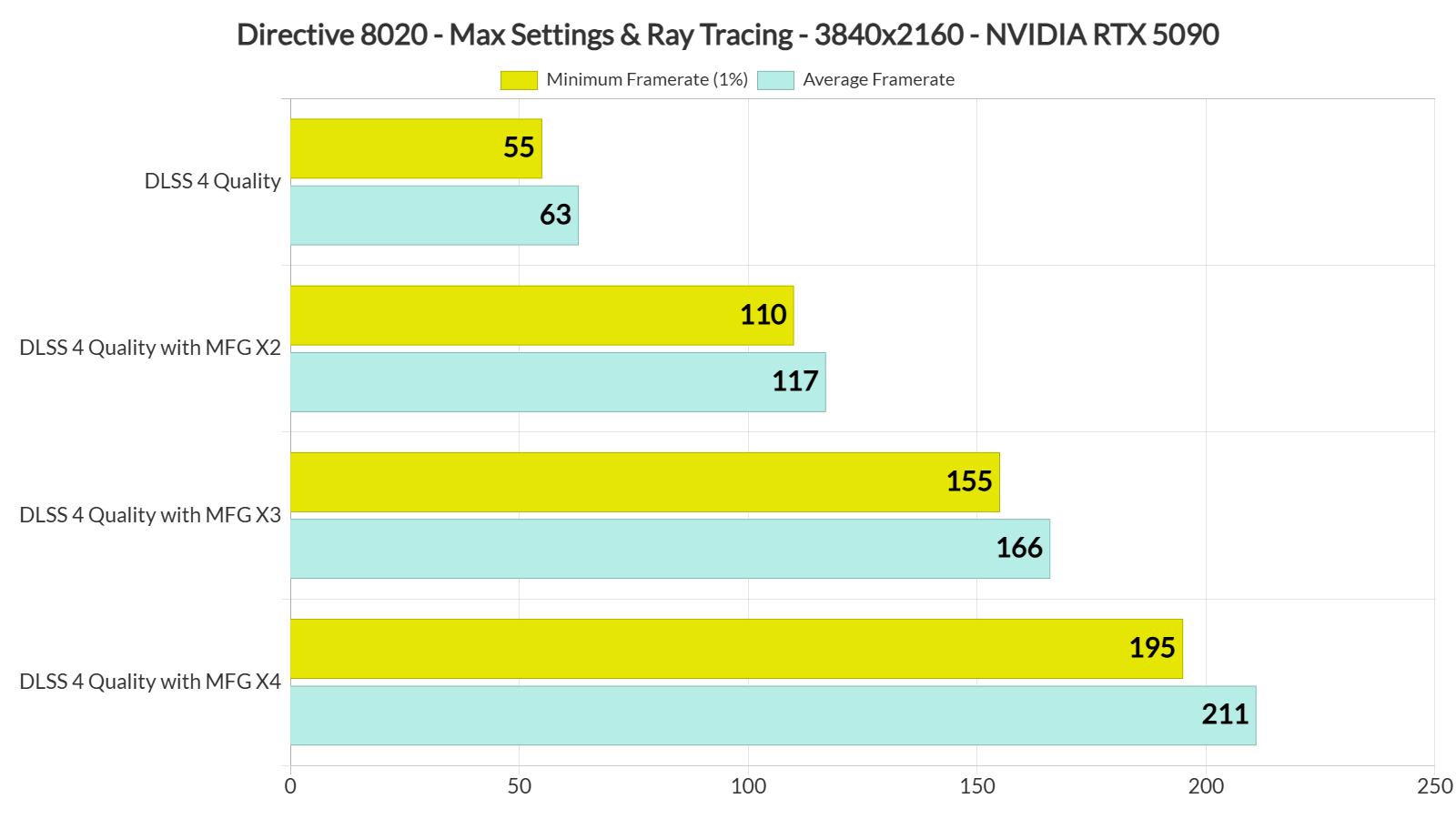
Things get a lot better with Ray Tracing. At 4K with DLSS 4 Quality and MFG X2, we get to 110-117FPS. With MFG X3, we get to 155-166FPS, and with MFG X4, we get to 195-211FPS.
The good news here is that Directive 8020 is a slow-paced title. As such, it’s totally playable with Path Tracing. Moreover, even though the base framerate is really low, there are very minor visual artifacts. Here are some shots I took while moving the camera like crazy with MFG X4. Most of you won’t be moving the camera as quickly as I did. And despite that, we get very few artifacts. So, in this particular title, the DLSS 4 Multi-Frame Gen implementation is great.
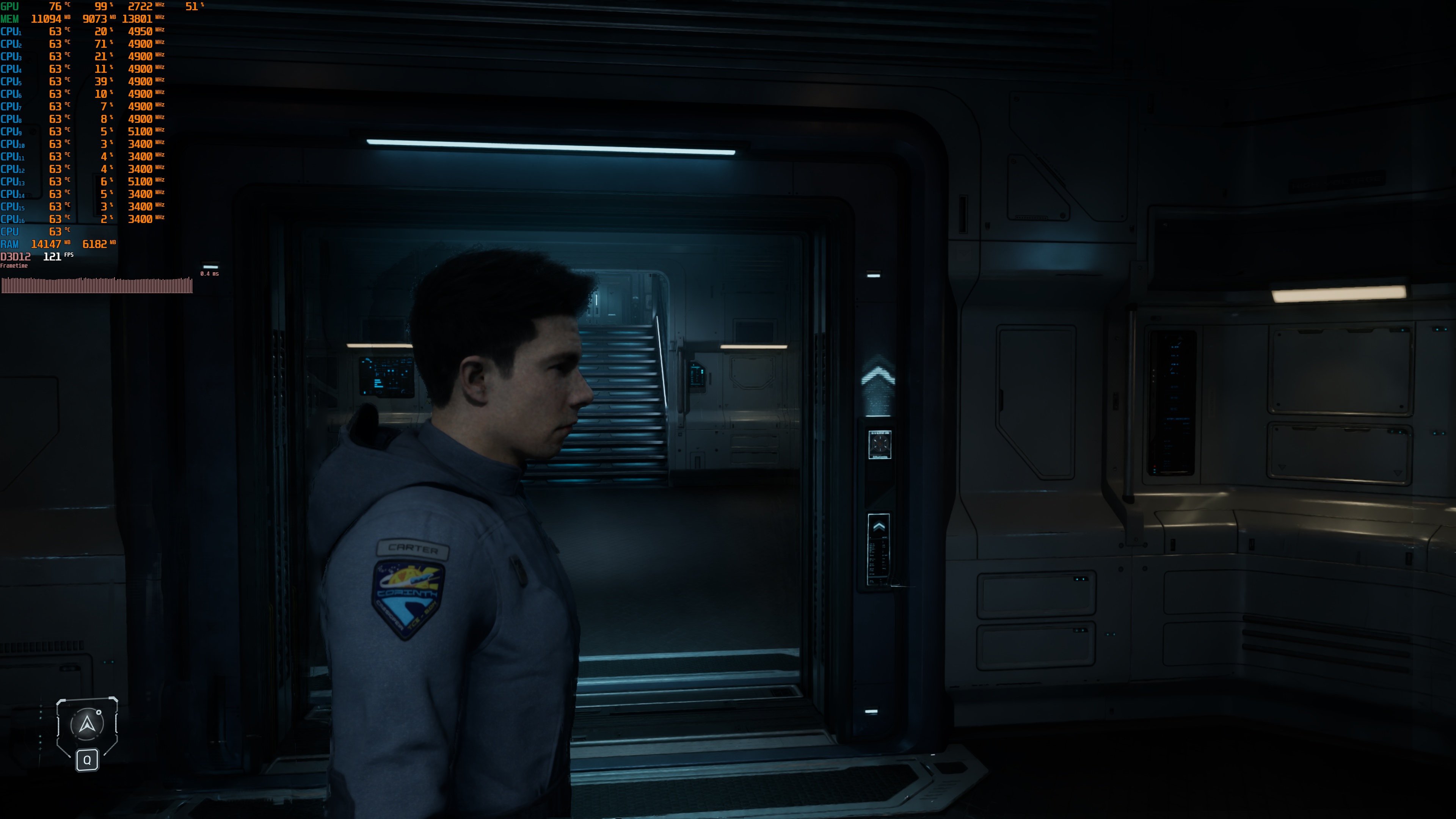
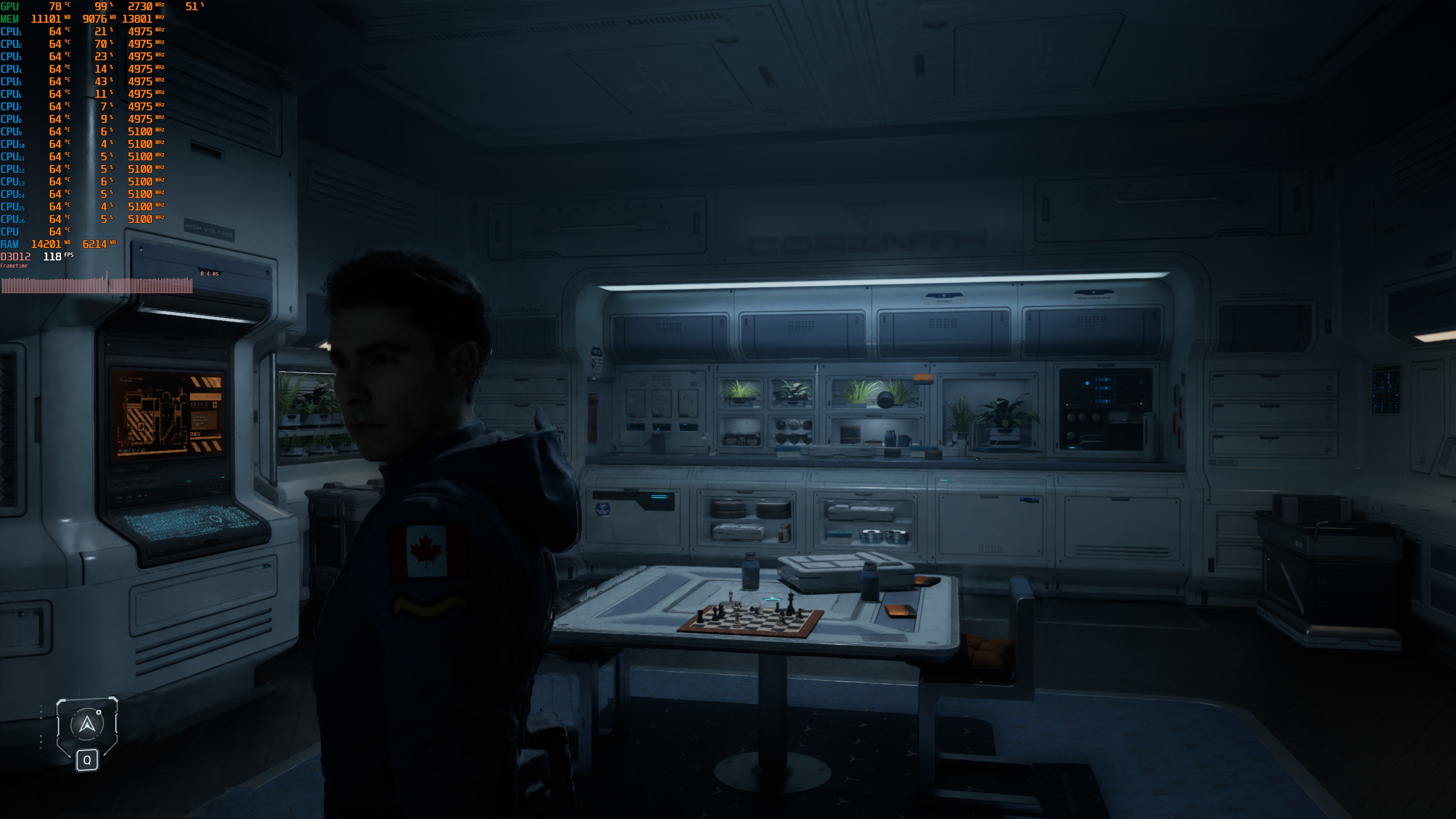
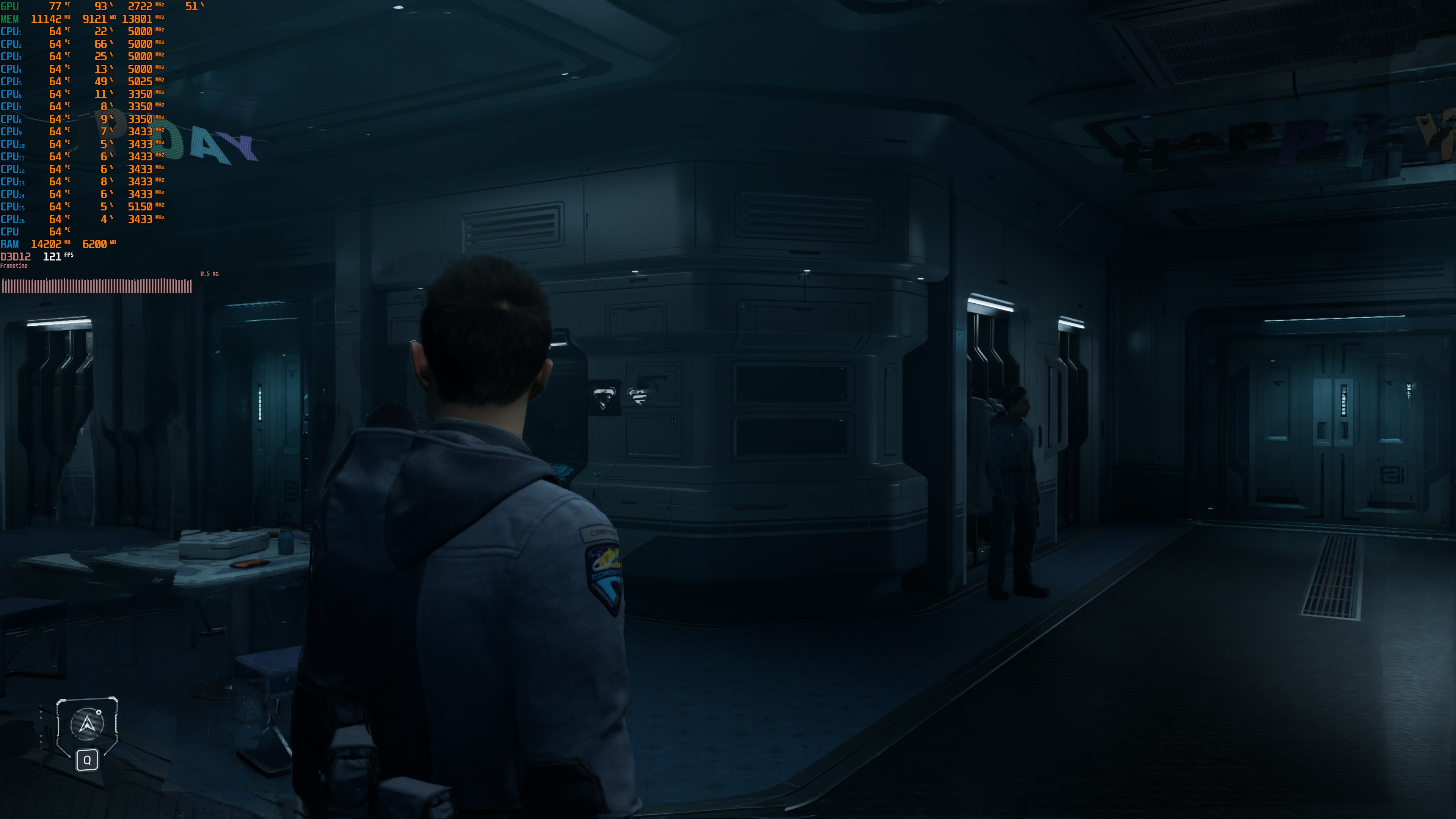
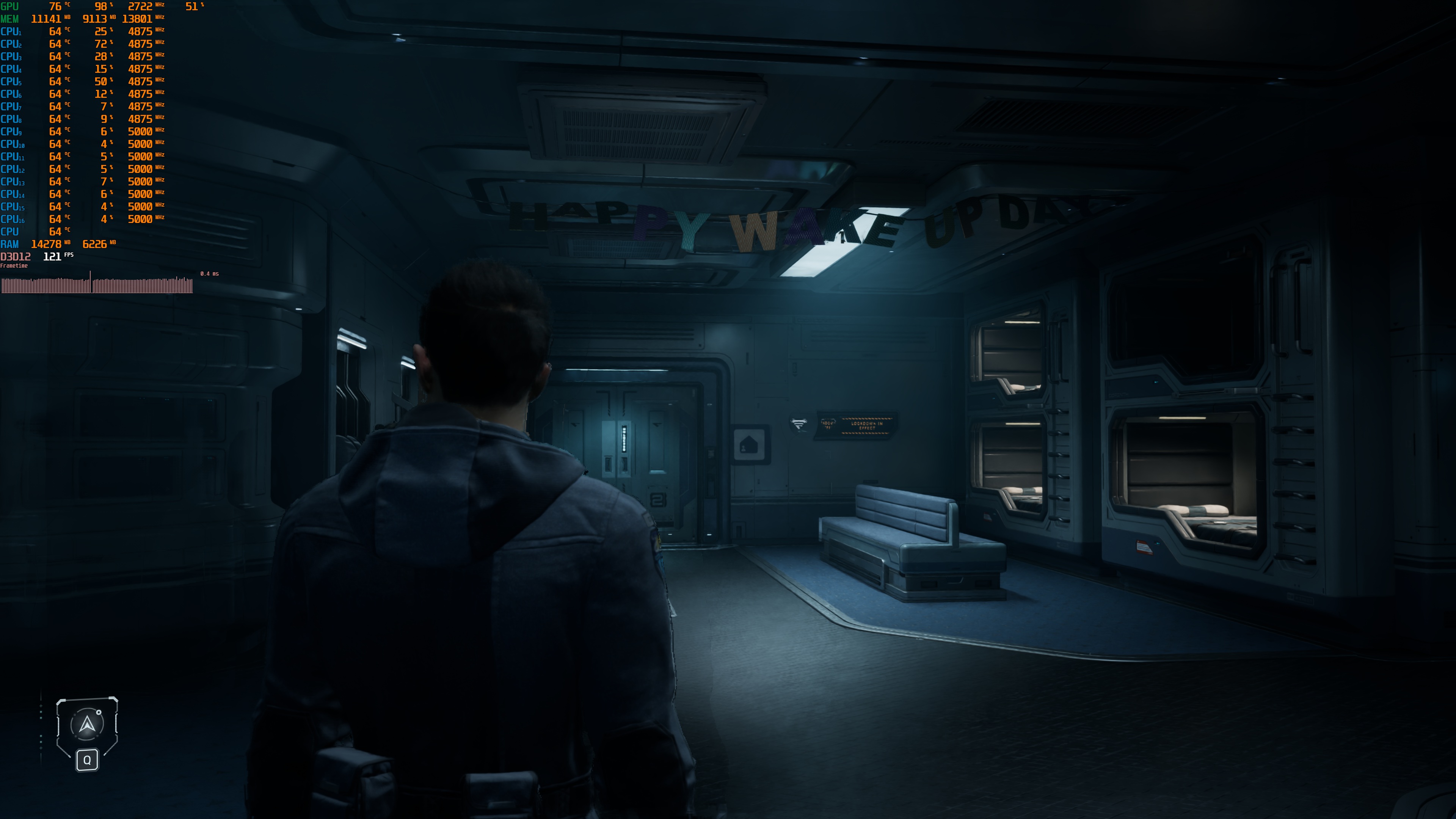
Sadly, though, this game suffers from the same bug that is present in Resident Evil Requiem and Pragmata. If you move your camera like crazy, the framerate will drop. Smooth or medium camera movements do not bring any performance hit. I don’t know why this is happening, but this also happens with Software Lumen and with Ray Tracing. It’s a game issue. It has nothing to do with Path Tracing.
So, we’ve established that Path Tracing is really heavy in this game. But, is it worth it? This may surprise some, but I don’t think Path Tracing is that great in Directive 8020.
Here are some comparison screenshots. On the left, we have Software Lumen. In the middle, we have Ray Tracing. And on the right, we have Path Tracing. Yes, there are some improvements with Path Tracing, but the performance hit is HUGE. In my opinion, Path Tracing can only be enjoyed by those with an RTX 5090. If you don’t own this particular GPU, you should stick with Ray Tracing. In my opinion, that’s the best option when it comes to visuals/performance ratio. It looks better than Software Lumen, but it’s not as demanding as Path Tracing. Path Tracing slightly improves the image quality compared to Ray Tracing, but I don’t believe most of you will notice those visual improvements, unless you have side-by-side comparison shots.
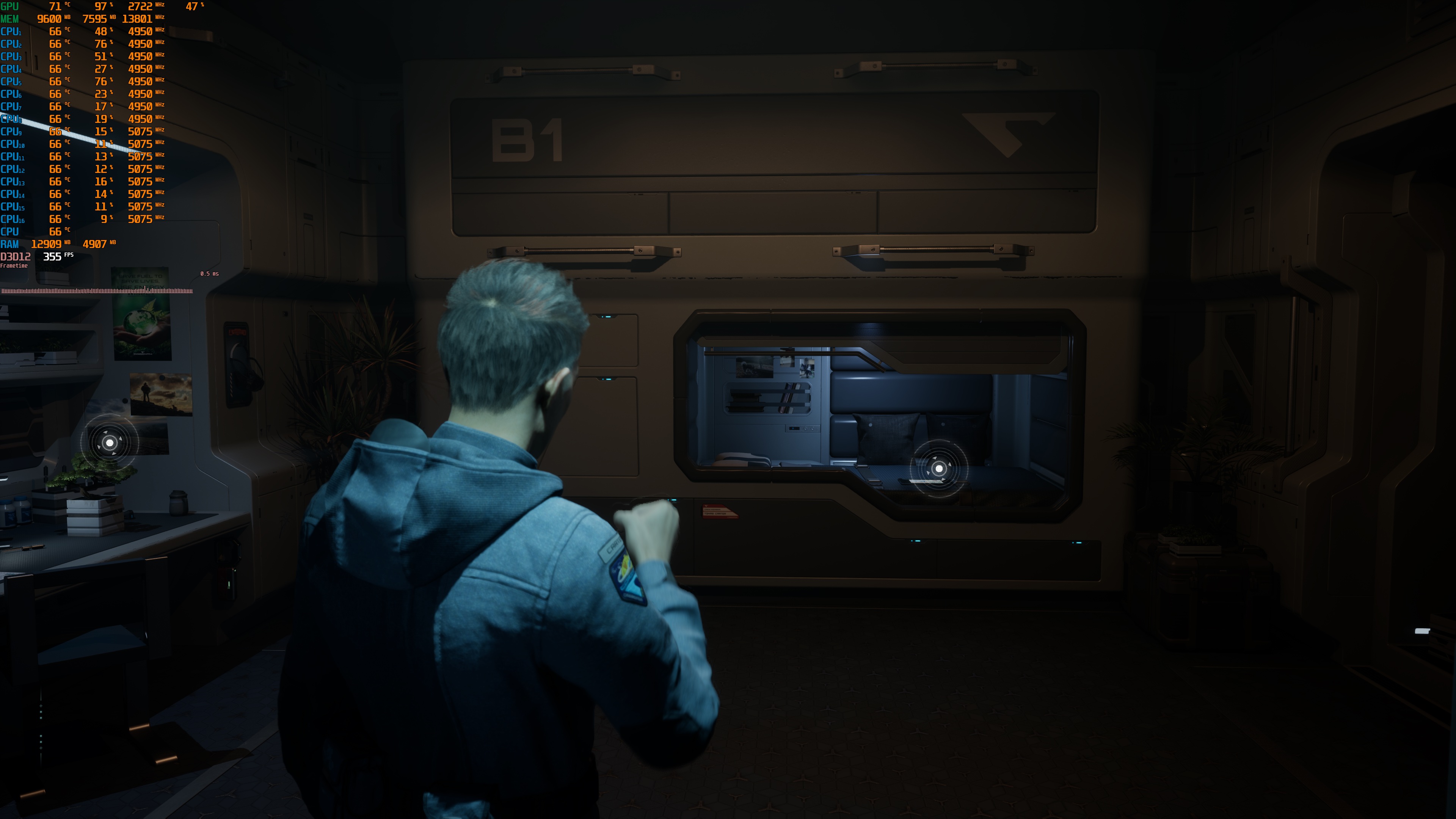
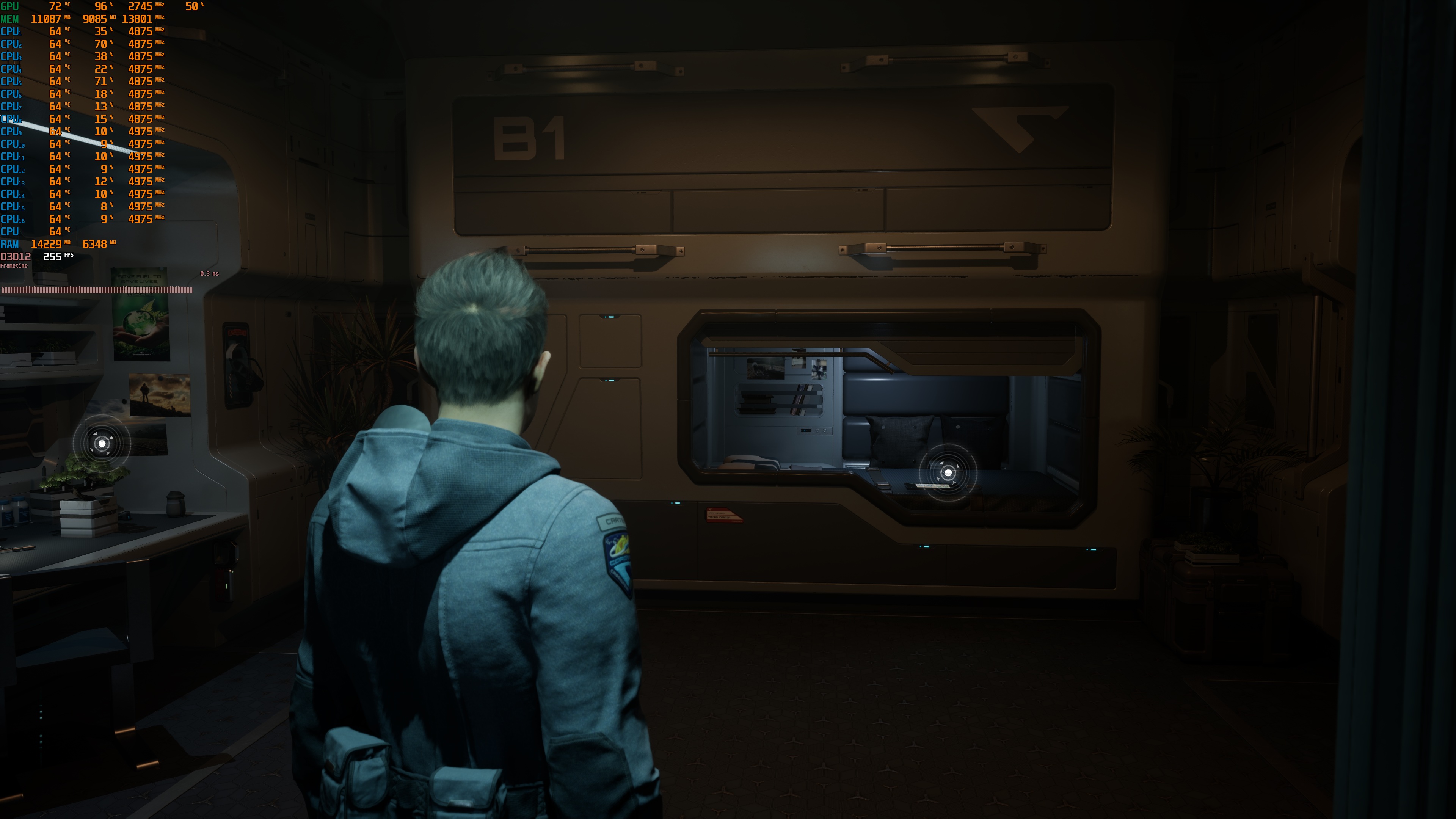
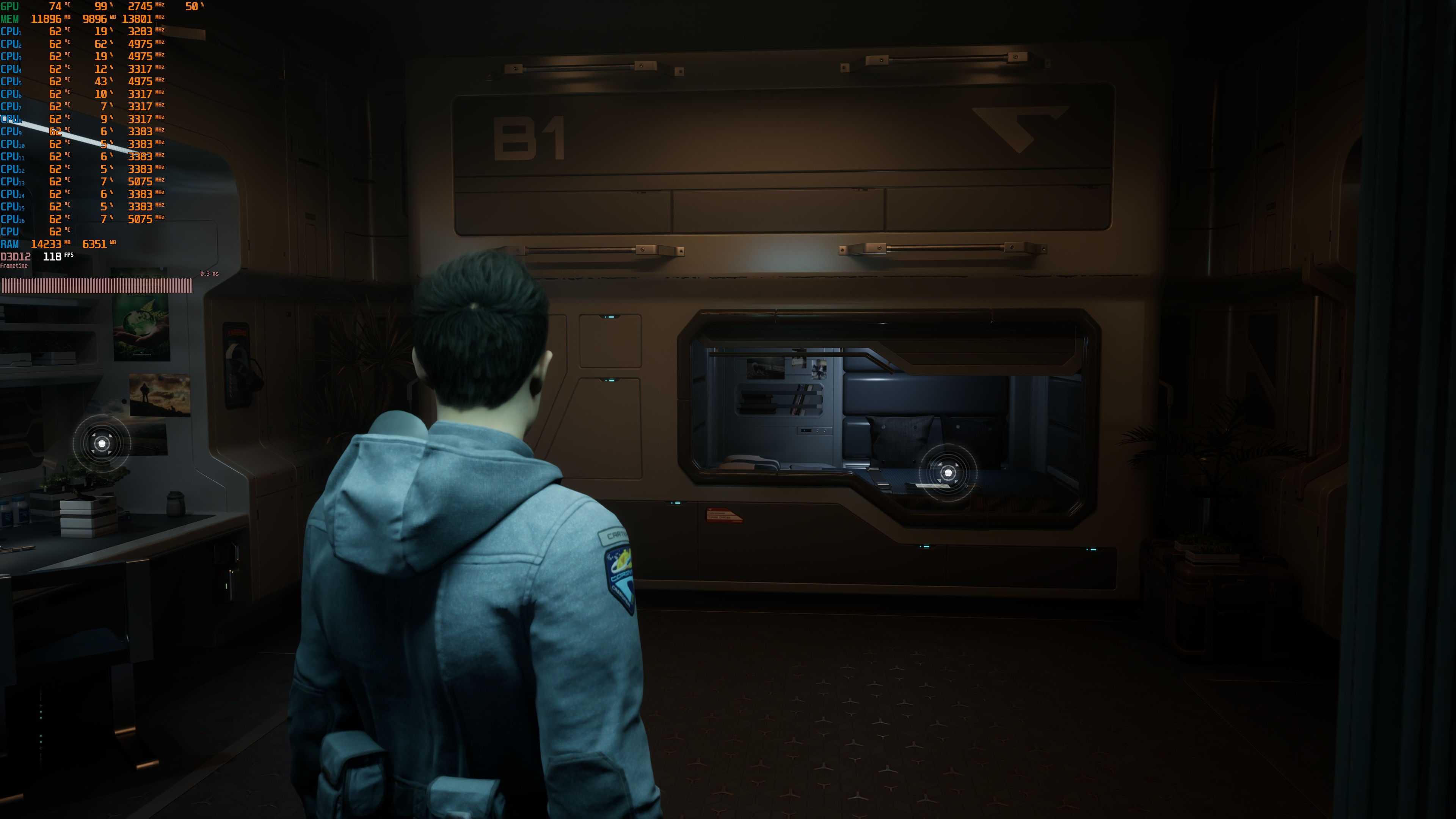
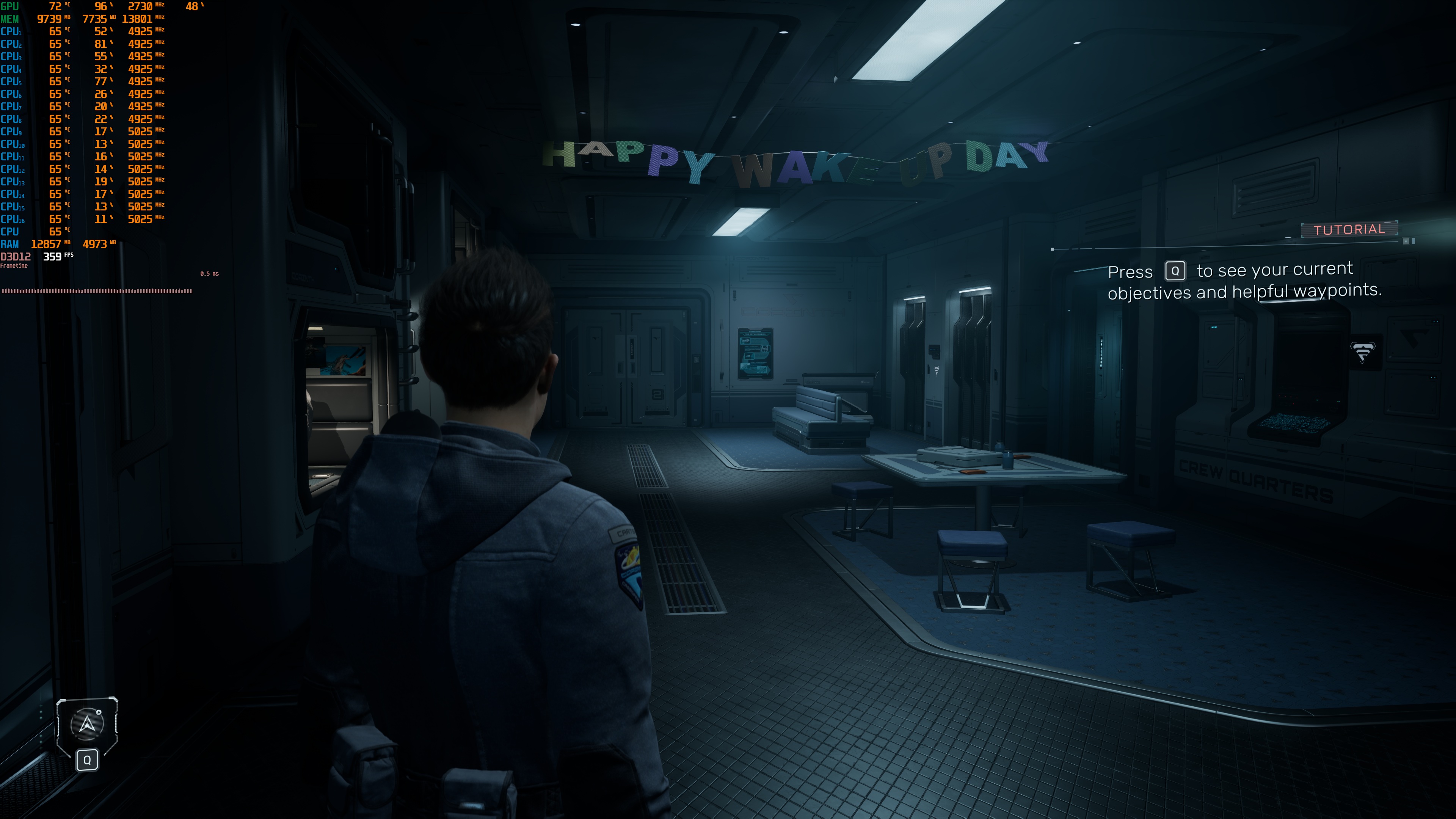
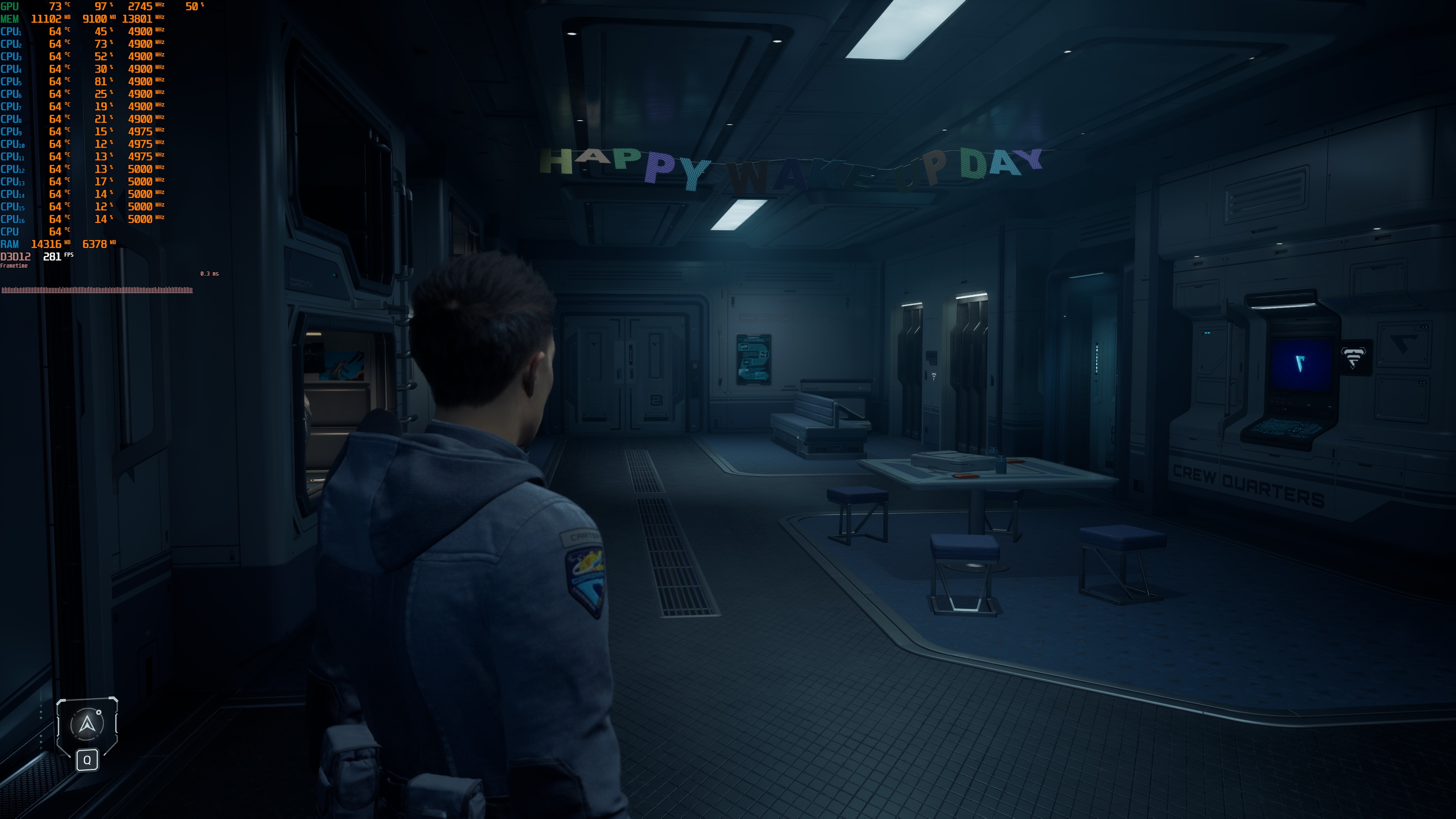
All in all, Directive 8020 seems to run great with Software Lumen. On the other hand, Path Tracing has an enormous performance cost for small visual improvements. Ray Tracing sits somewhere in the middle. As for DLSS 4, its implementation appears to be solid here.
Our PC Performance Analysis, in which we’ll test numerous NVIDIA and AMD GPUs, will go live this weekend. So, stay tuned for more!


John is the founder and Editor in Chief at DSOGaming. He is a PC gaming fan and highly supports the modding and indie communities. Before creating DSOGaming, John worked on numerous gaming websites. While he is a die-hard PC gamer, his gaming roots can be found on consoles. John loved – and still does – the 16-bit consoles, and considers SNES to be one of the best consoles. Still, the PC platform won him over consoles. That was mainly due to 3DFX and its iconic dedicated 3D accelerator graphics card, Voodoo 2. John has also written a higher degree thesis on the “The Evolution of PC graphics cards.”
Contact: Email