
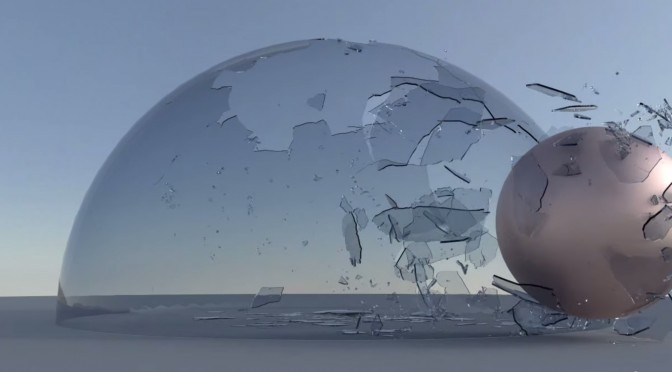
During this year’s SIGGRAPH event, Tobias Pfaff, Rahul Narain, Juan Miguel de Joya, and James F. O’Brien showcased some new amazing techniques for glass, plastic and wood physics that surpass anything we’ve ever seen. This video shows the future of game physics, though we don’t know whether current-gen consoles (or even high-end PCs) are powerful enough for such effects. Still, it’s great witnessing these physics effects in action, so go ahead and enjoy the video!


John is the founder and Editor in Chief at DSOGaming. He is a PC gaming fan and highly supports the modding and indie communities. Before creating DSOGaming, John worked on numerous gaming websites. While he is a die-hard PC gamer, his gaming roots can be found on consoles. John loved – and still does – the 16-bit consoles, and considers SNES to be one of the best consoles. Still, the PC platform won him over consoles. That was mainly due to 3DFX and its iconic dedicated 3D accelerator graphics card, Voodoo 2. John has also written a higher degree thesis on the “The Evolution of PC graphics cards.”
Contact: Email