
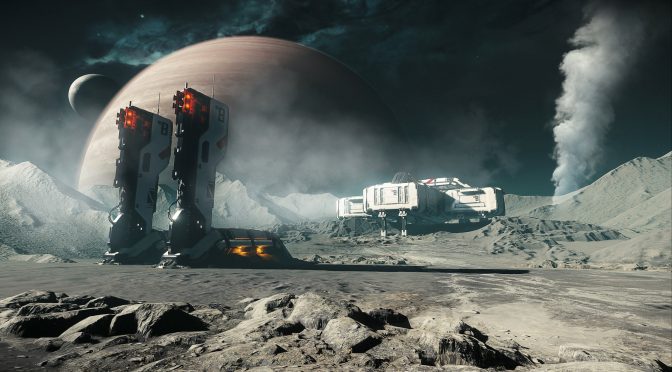
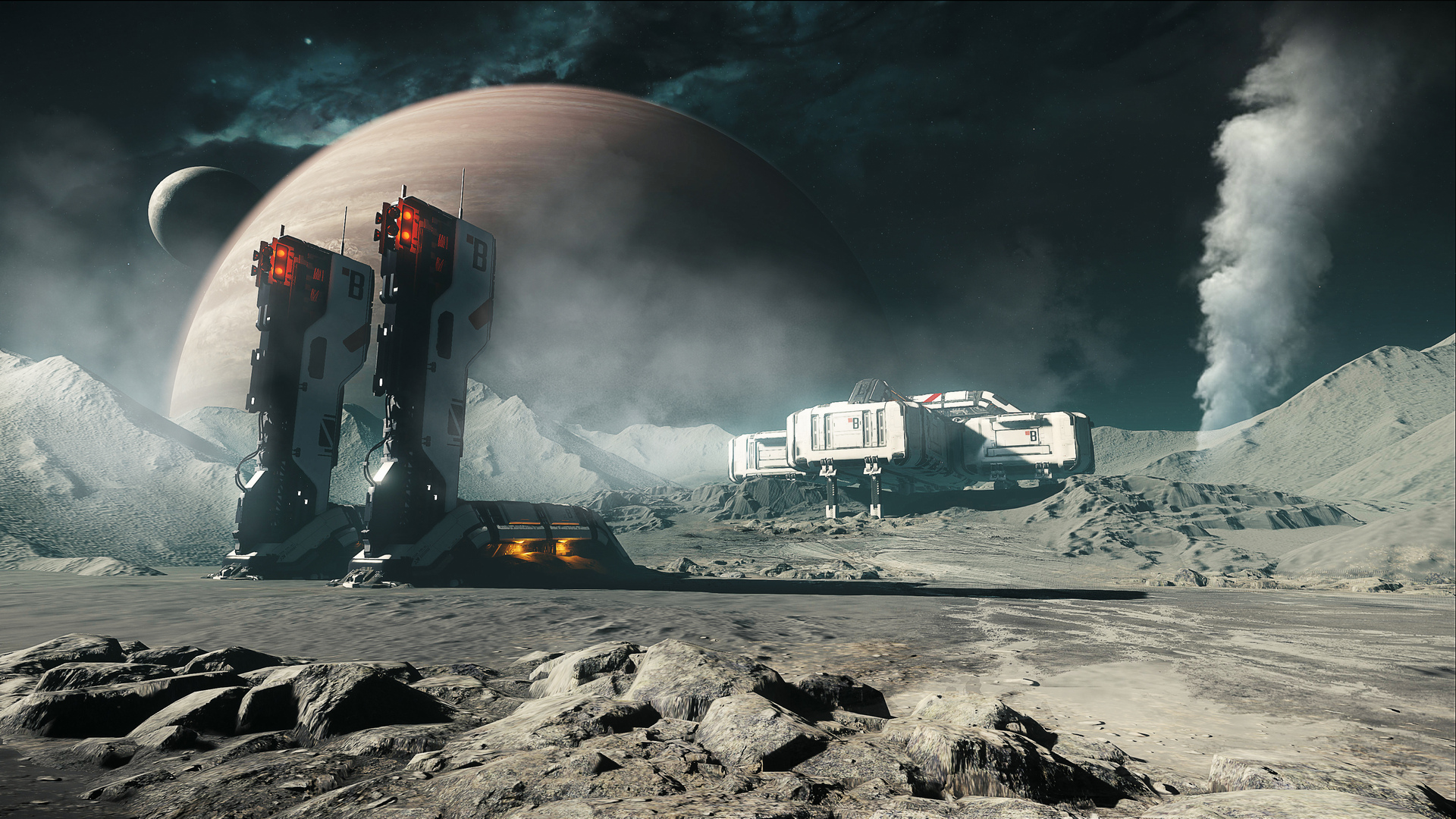
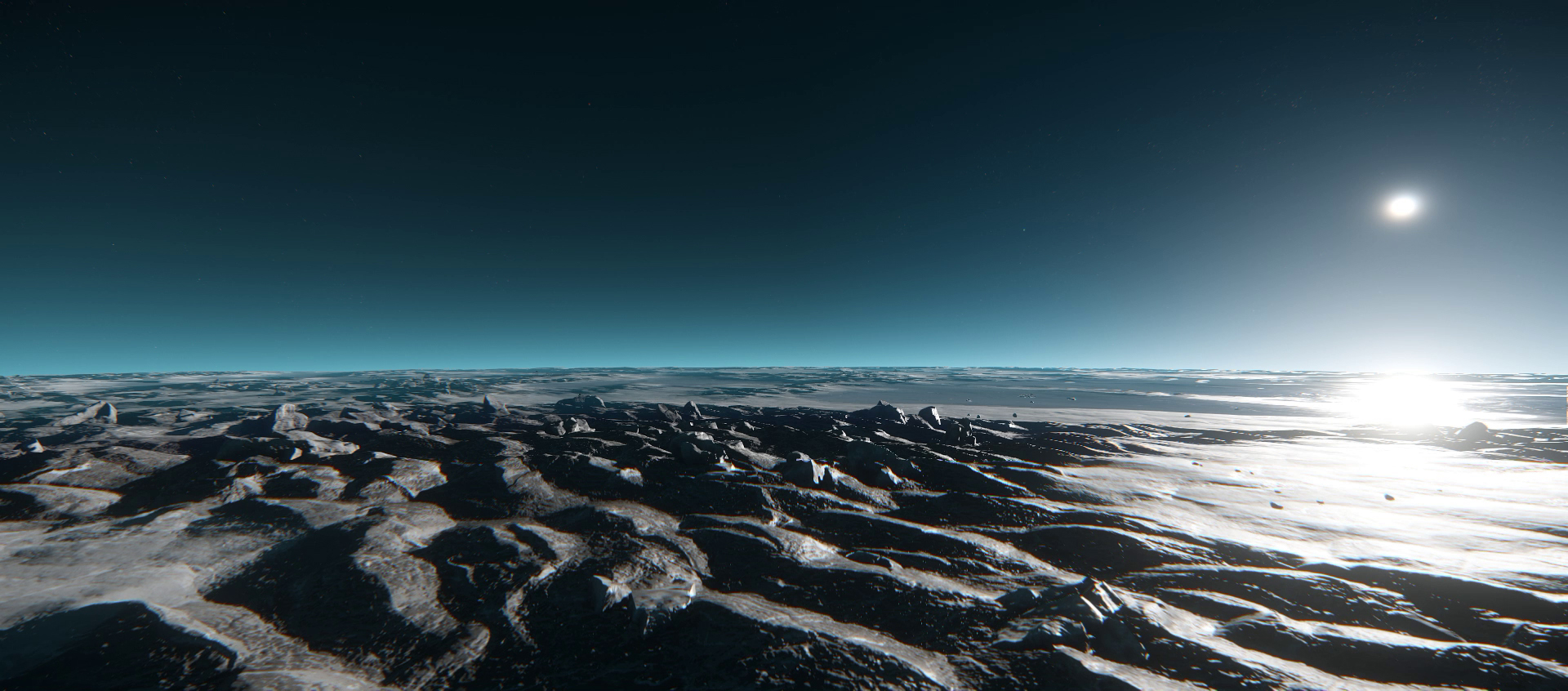
Cloud Imerium Games announced the production schedule for Star Citizen 3.0. According to the team, this schedule update is a Star Citizen roadmap for the remainder of 2017. It’s also worth noting that Star Citizen 3.0 will represent the first time for players to try out the much anticipated planetary tech in a live build.
Star Citizen 3.0 will feature RenderTarget refactor; a technique that will save over 50% of video memory usage. Moreover, this upcoming version will sport Area Lights with proper shadowing, new Light Controller for runtime light switches, highly optimized vertex and position format for all geometry, as well as Dynamic Physics Grid to support sparse space areas vs. dense areas like space stations.
Here are some of the features that have already been implemented in the 3.0 version of Star Citizen.
GRAPHICS
- RenderTarget refactor
- This saves over 50% of video memory usage.
- Area Lights with proper shadowing
- Shadow System refactor
- This is more efficient and allows for planetary scale shadows.
DESIGN
- Crusader Converted to Object Container Setup
- With the transition to Object Containers, the Crusader map was completely re-designed. Each Point of interest is now an object container laid out via the Solar System Editor. This is in preparation for Object Container streaming and seamless transitions from different POI’s and between Star Systems. Mission Flowgraphs are converted over to use Subsumption and the new Mission System
- Mega Map for Persistent Universe
- Mega Map tech (also used in Crusader for seamless loading between different gamemodes) is now possible in the new PU map, which is setup in the solar system editor. This allows the utilization of Mega Map technology.
- Revamp of Power Plants / Shield Generators / Coolers and the Heat & Power System for improved gameplay and conversion to Item 2.0
ENVIRONMENT
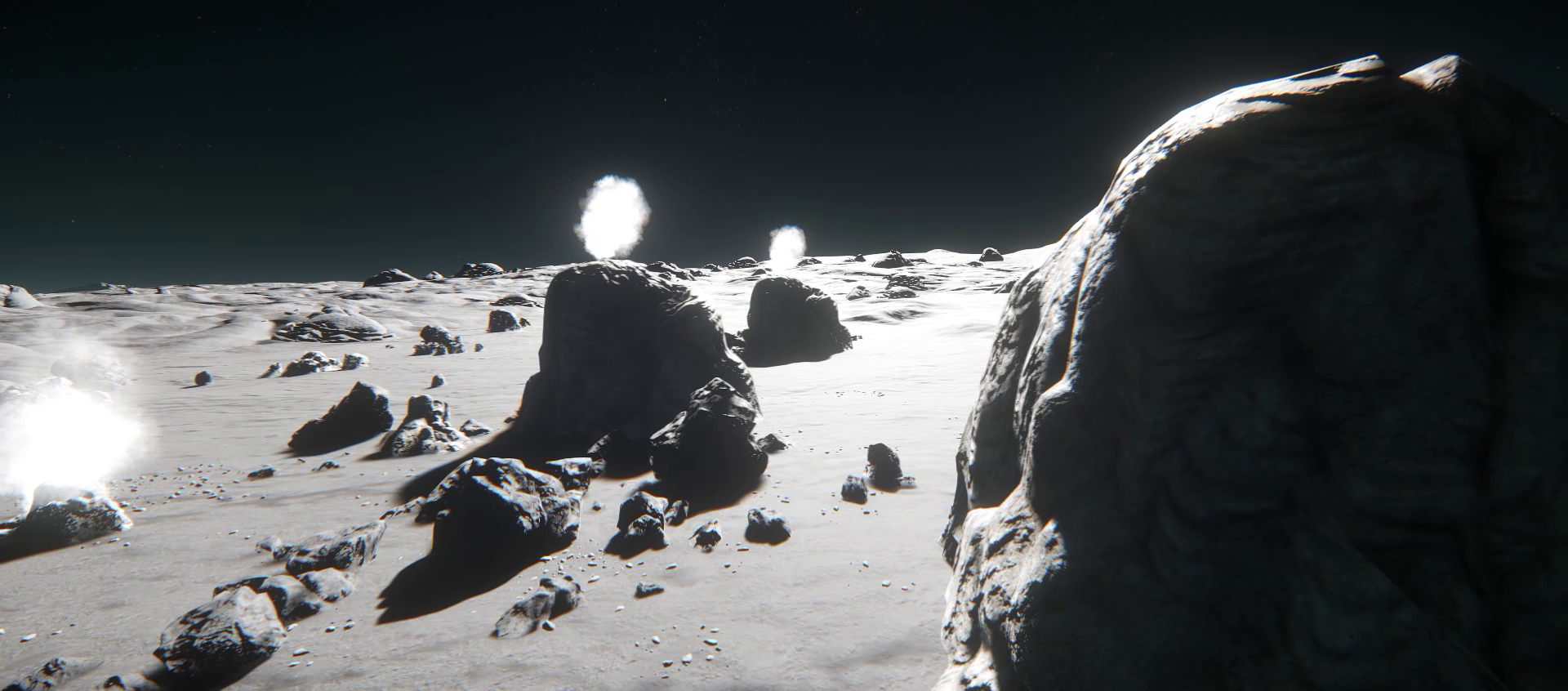
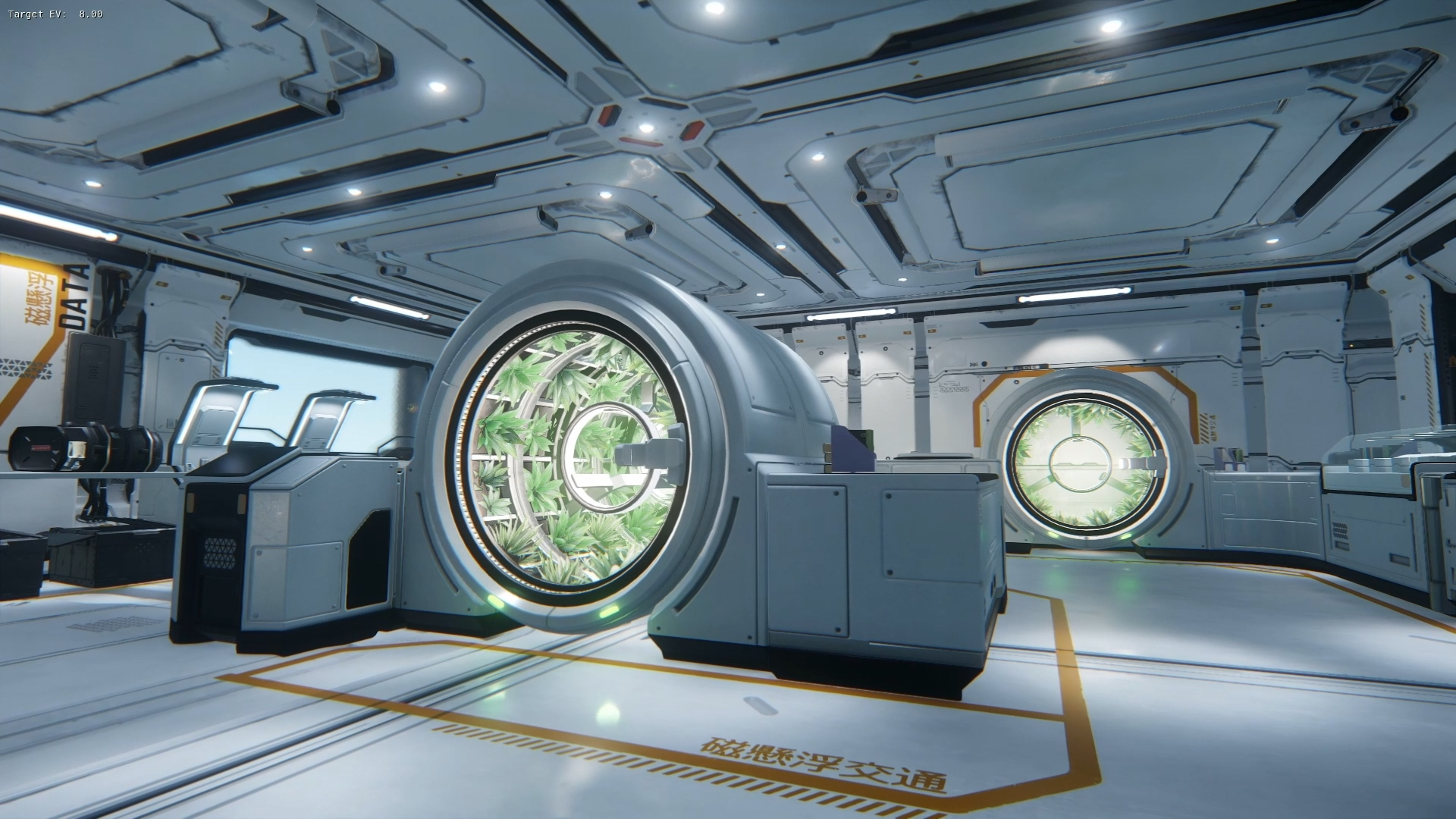
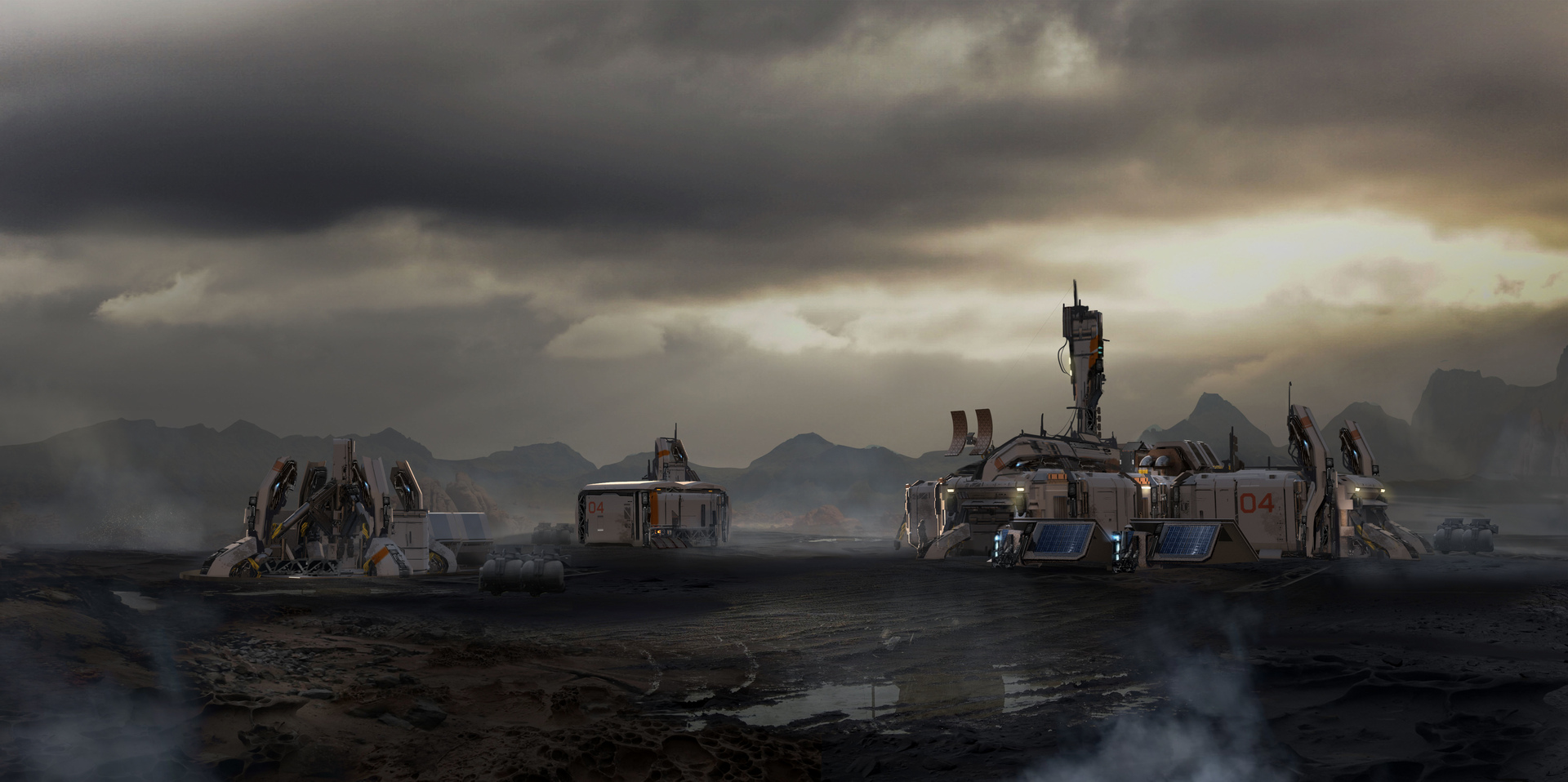
- Modular Room System for procedural generation of planetary outposts
- Official Outpost Spawning System ready for mission designers
- Integrated Outpost distribution to PlanetEd
- Single outpost Object Preset
- Cluster of Outposts
- Crash site mission
- Interface to hand place modules and save to Layer
- Interface to teleport the camera to the closest outpost
- Area boxes created by artists (all room sizes are now usable in the outpost procedural system)
- Entrance Room system working (stairs and ramps are now available as initial rooms)
- Rooftop Prop system working for Solar panel
- Wall prop system working for additional prop variations
- Material Wear/Dirt on props using Layer Blend done and actually working
- Developed Outpost “feet” system
- Set random rotation and offset caps on planet editor
- Start documenting 3 possible map layouts looping system (using 2 or 4 meters metrics * system; using connection additional corridor pieces; using spline skinned corridors)
- Support Aircon/solar panel system on outposts
- Added color tinting to Outposts
- Added color tinting interface to Planet Ed
- Created material distinction for interior / exteriors
- Group elements offset in Planet Object Preset to be able to offset landing pads
TOOLS
- Solar System Editor
- A tool that will layout entire solar system with their astral objects (sun, planets moons) as well as space stations, etc.
PERFORMANCE
- New Light Controller for runtime light switches
- New network message queue (current in QATR) to reduce network bandwidth and network thread time.
- Light Entity Render node merging.
- Dynamic Physics Grid to support sparse space areas vs. dense areas like space stations.
- Highly optimized vertex and position format for all geometry
- Texture memory usage reduced across the project
- Unified material libraries for use across all departments
- Comparing and finding all duplicated normal maps and albedo maps in the LayerBlend texture library
- Clean up LayerBlend Material Libraries, Resolution Adjustments, Renames to Lower Case
- Follow-ups on list of unused textures and materials
- Massively improved LOD computation and average face sizes for ships
- Shared hair assets (instead of bespoke asset per head) for character creation
- Automated facial asset LODs, skinning algorithm per lod updated.
- Reworked mesh setup of facial assets for optimal performance and reduced drawcalls.
- Unified helmet and character mesh into singular render proxy for better performance and visuals.
- Various portal and culling improvements.
- Improved Animation Data Base collection and build process for optimized animation data streaming also added external tools to manage this.
- Deprecated thousands of legacy and test assets including animations, geometry, libraries and more for reduced build size.
- Automatic Asset Error collection and tracking.
- Reworked itemport layout for characters and character items
- Updated all assets using HumanSkin to highly optimized HumanSkinv2 shader. This saves upwards of a 100 megs of texture memory per face.
ART
- New Assets:
- Heavy Marine Armor
- Explorer Suit Armor
- Cloth and Clothing simulation on various assets old and new
- Updated helmet interiors and exterior for updated art, FOV tech and standardization
- Armor converted to work within modular customization structure
- Finalized delivery of ALL facial assets from 3lateral.
- Ships:
- New Skinning and Rigging tools for landing gear on ships.
- Constellation Cargo Bay/Elevator extensions
- Light Group entity optimization
CODE
- New Radar Databank
- Subsumption
- This is the initial release of the foundational technology that drives all of the AI, mission, dynamic content, and conversational logic. The mission content previously created with FlowGraph has been replaced and the implementation time to achieve a desired effect has been cut dramatically.
- Various Performance improvements
- Planetary Physics Grid to support orbiting and rotating planets
- MFD implementation for Item 2.0 Components on ships
- IFCS improvements to support AI & Takeoff System
- Unified Visor for seamless Ship 2.0 / FPS transition
- HUD/Visor integration for new Radar Databank
- Vehicles No Longer Use Lua
- This is a huge step forward on the code side.
- Skeleton Extension support for Item Port Offset overrides per item
- Numerous types of physics simulation for all Item 2.0 attachments including hair, weapons, grenades and more.
- Destructible component for items, props and environment assets
- Nested Physics Grids support for vehicle transportation inside large ships, i.e. DragonFly & Rover
- Physics simulation gravity vector now respects planetary gravity
- Modular loadouts rule sets and support for up to five loadouts
- Animation driven facial audio implemented
- Updated Sandbox Editor Python integration.
- Zone culling on all character assets and layers, system complete and mesh markup complete supplemented with tools to easily support new assets.



John is the founder and Editor in Chief at DSOGaming. He is a PC gaming fan and highly supports the modding and indie communities. Before creating DSOGaming, John worked on numerous gaming websites. While he is a die-hard PC gamer, his gaming roots can be found on consoles. John loved – and still does – the 16-bit consoles, and considers SNES to be one of the best consoles. Still, the PC platform won him over consoles. That was mainly due to 3DFX and its iconic dedicated 3D accelerator graphics card, Voodoo 2. John has also written a higher degree thesis on the “The Evolution of PC graphics cards.”
Contact: Email