
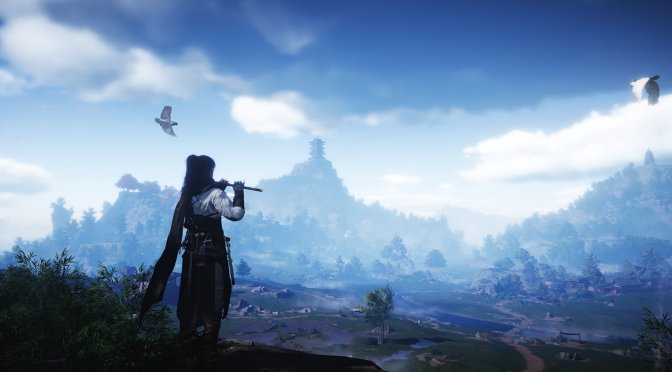
NetEase Games has lifted the embargo for the official DLSS 5 patch for Where Winds Meet. Since NVIDIA has provided us with early access to it, I’ve decided to test it. And as the title implies, this is the best official DLSS 5 implementation I’ve seen in a game.
To benchmark DLSS 5 and capture the following comparison screenshots, I used an AMD Ryzen 9 7950X3D, 32GB of DDR5 at 6000Mhz, and NVIDIA’s RTX 5090. I also used Windows 10 64-bit and the NVIDIA Game Ready 621.14 driver.
Where Winds Meet is the first game to let players adjust the quality of DLSS 5. You can change the quality of Tone, Structure, and Characters. However, you cannot force extra passes, use a different model, or access the extra settings found in DLSS 5 mods. Still, it’s great to see the devs give PC players more control over DLSS 5 quality. Let’s now hope that more devs will follow this example.
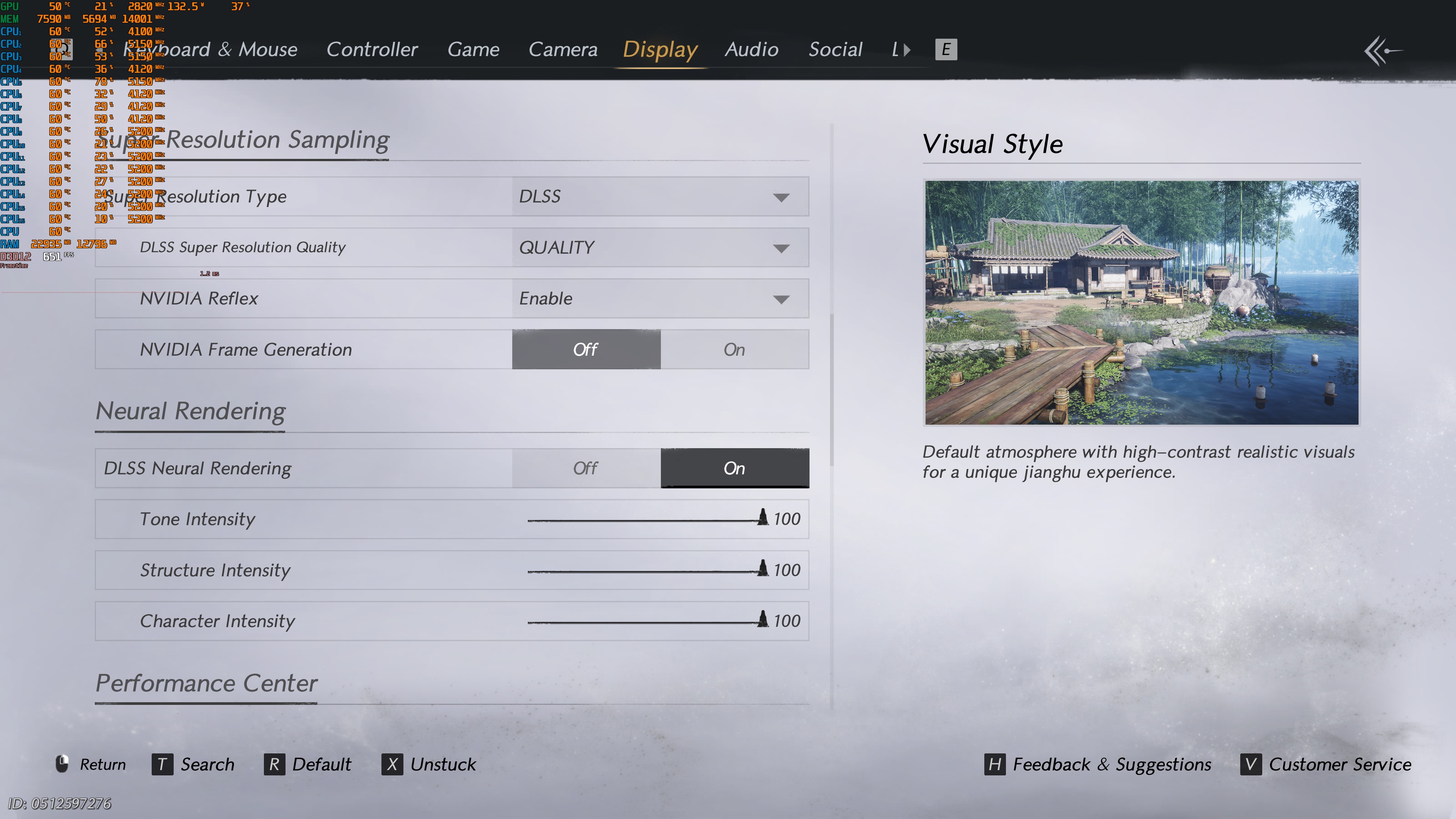
Unlike the other disappointing DLSS 5 updates, this one for Where Winds Meet is the real deal. DLSS 5 can greatly improve the image quality in this game. And no, you won’t need to zoom in by 500% to see the changes.
Below, you can find some comparison screenshots. On the left, we have the vanilla shots. On the right, we have the DLSS 5 images.
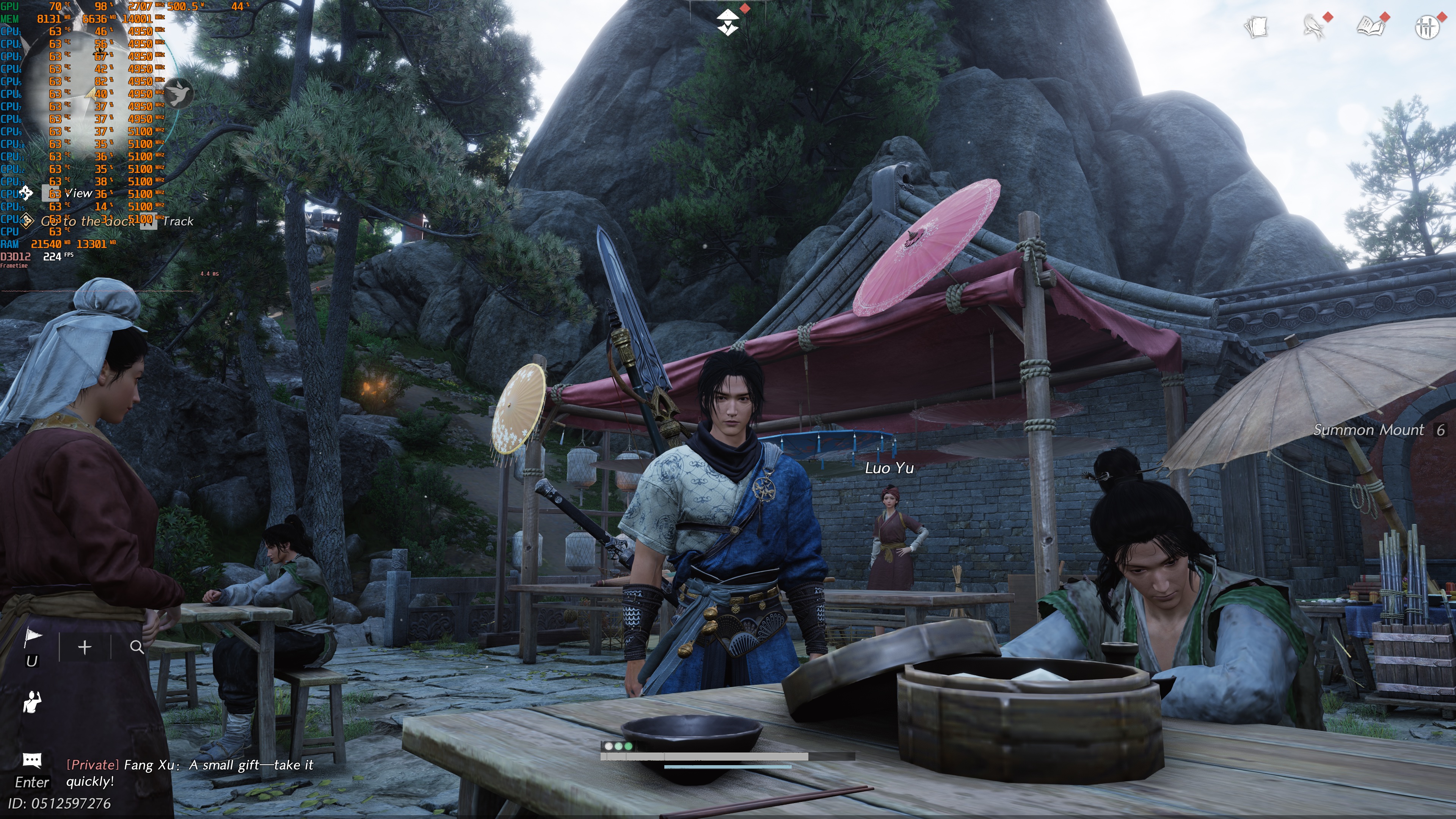
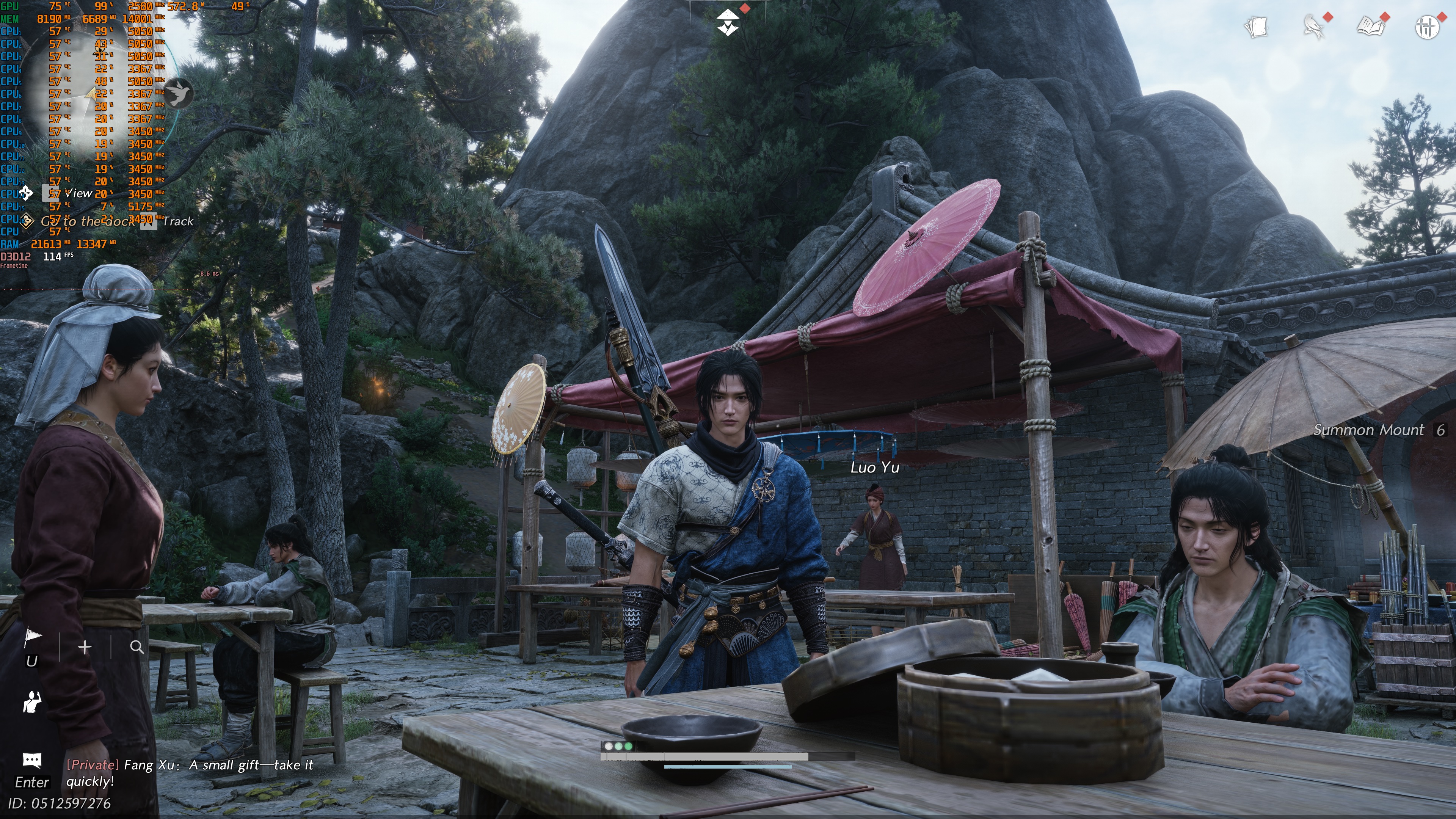
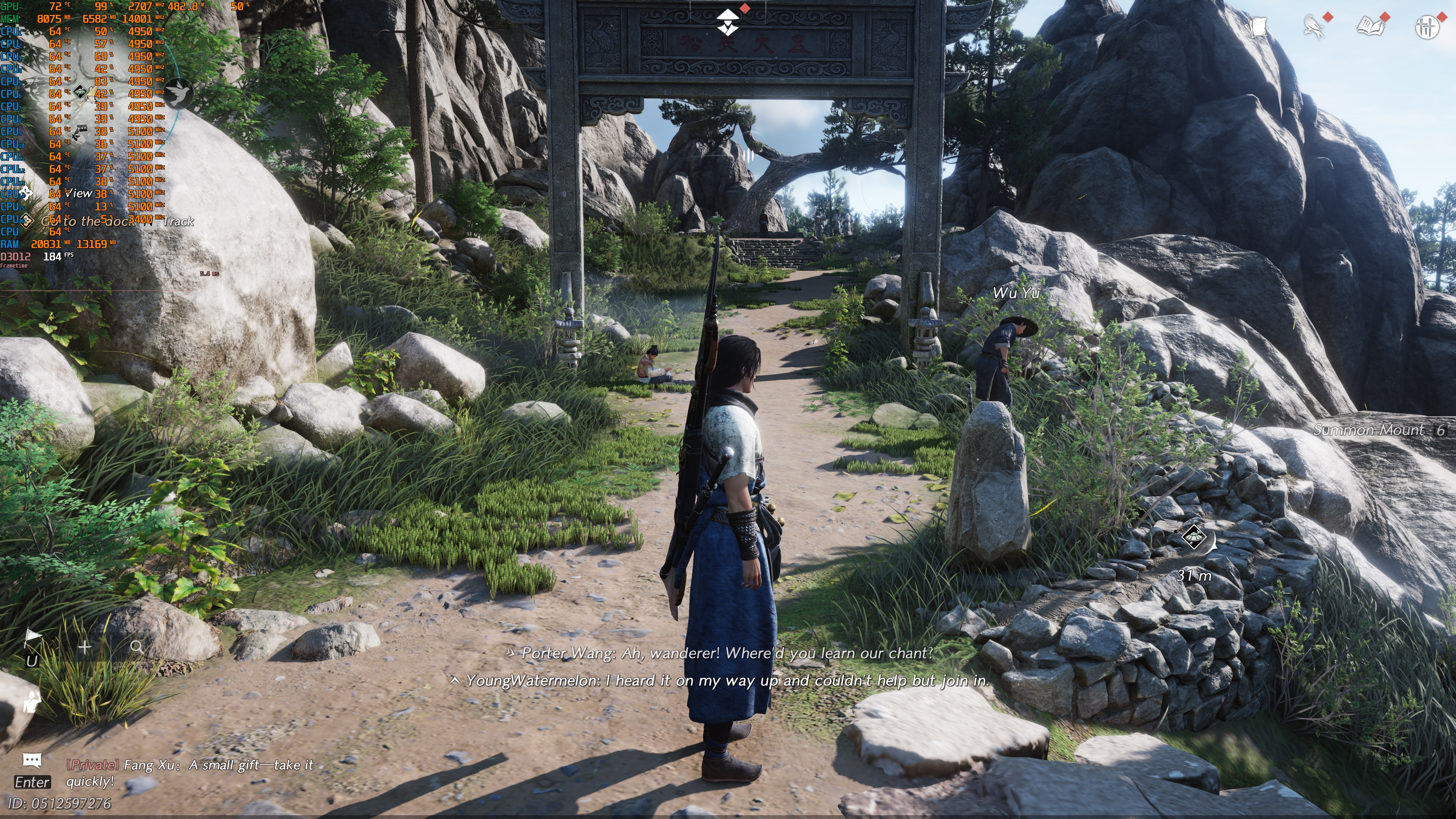
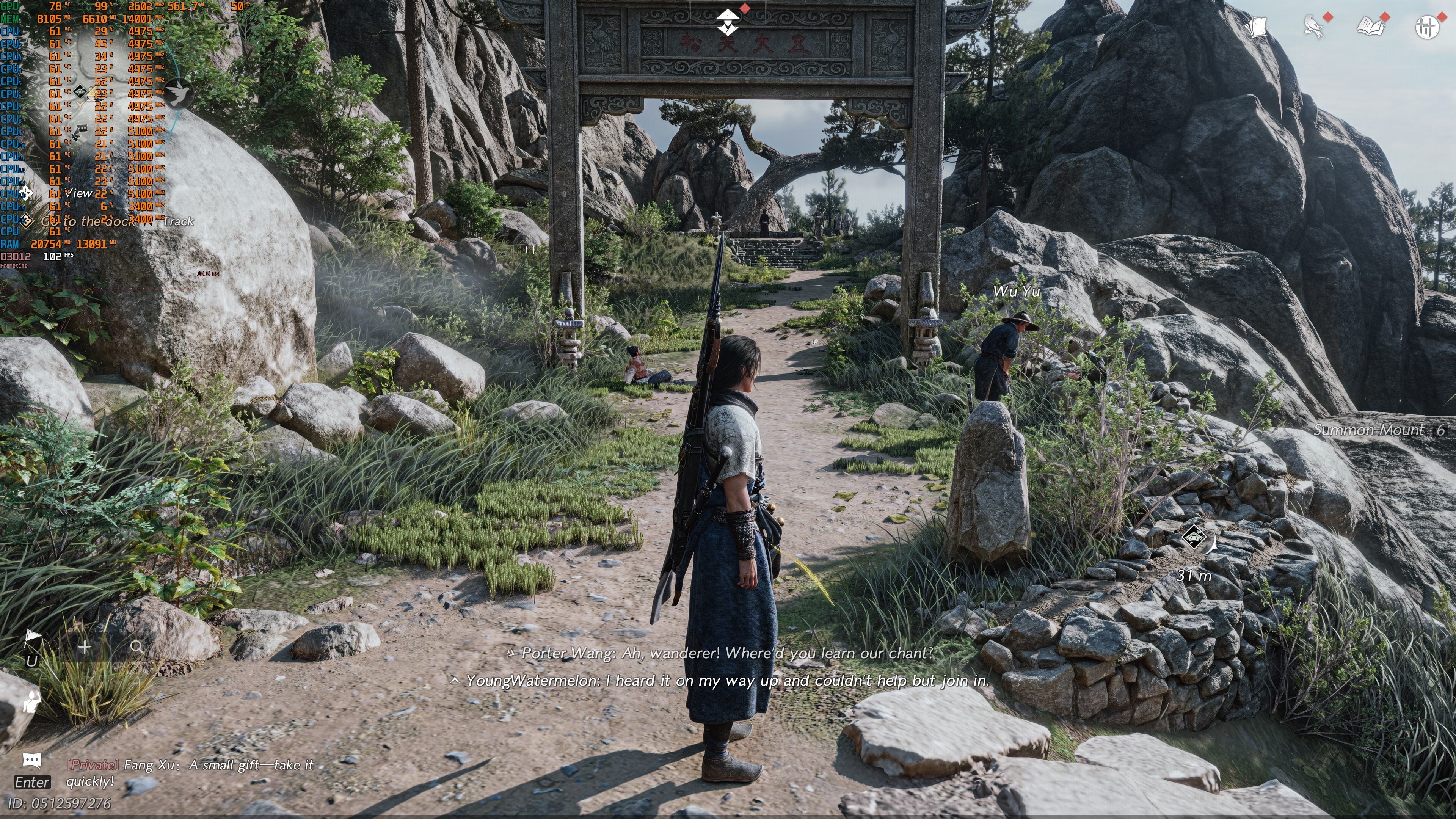
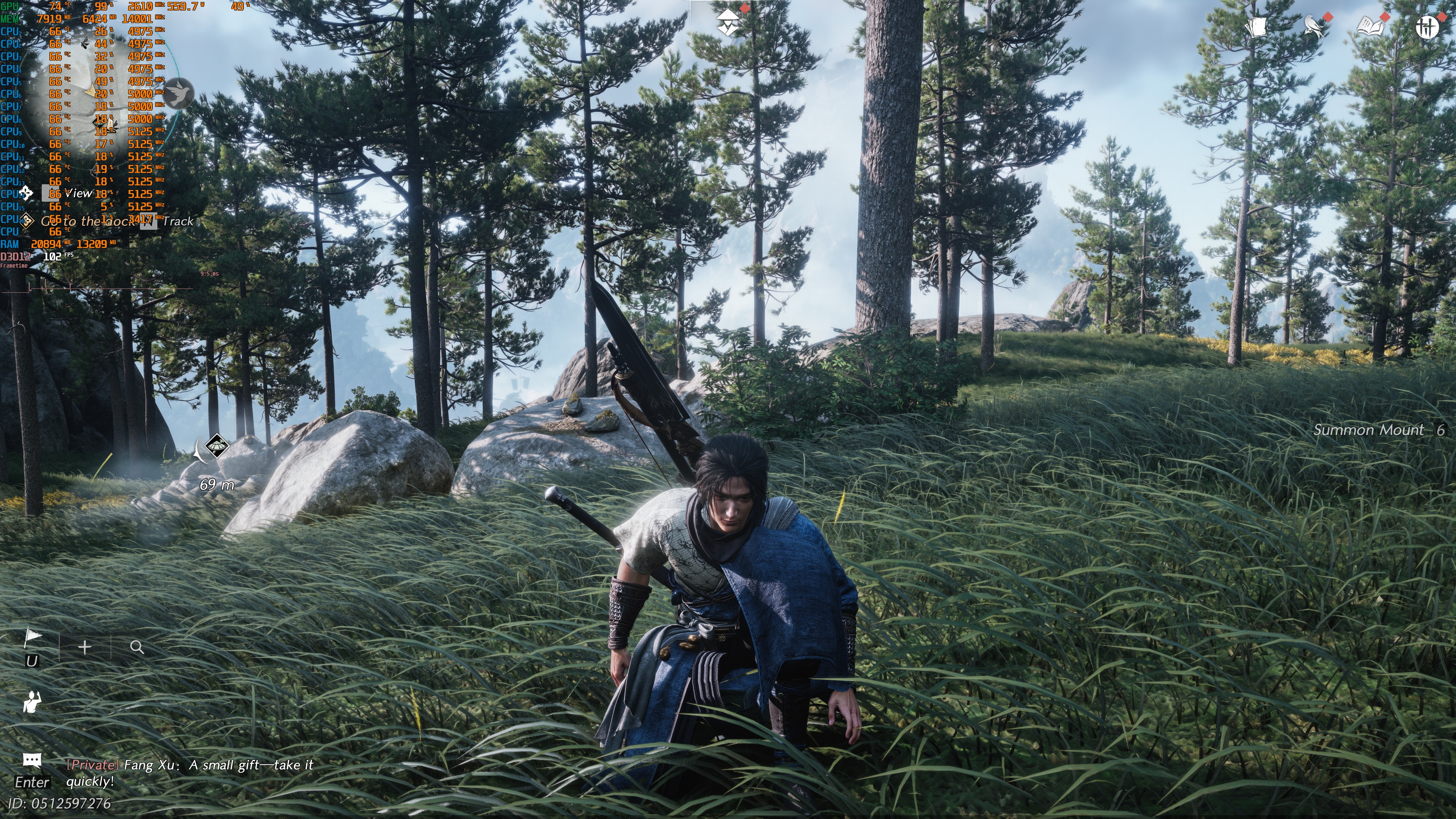
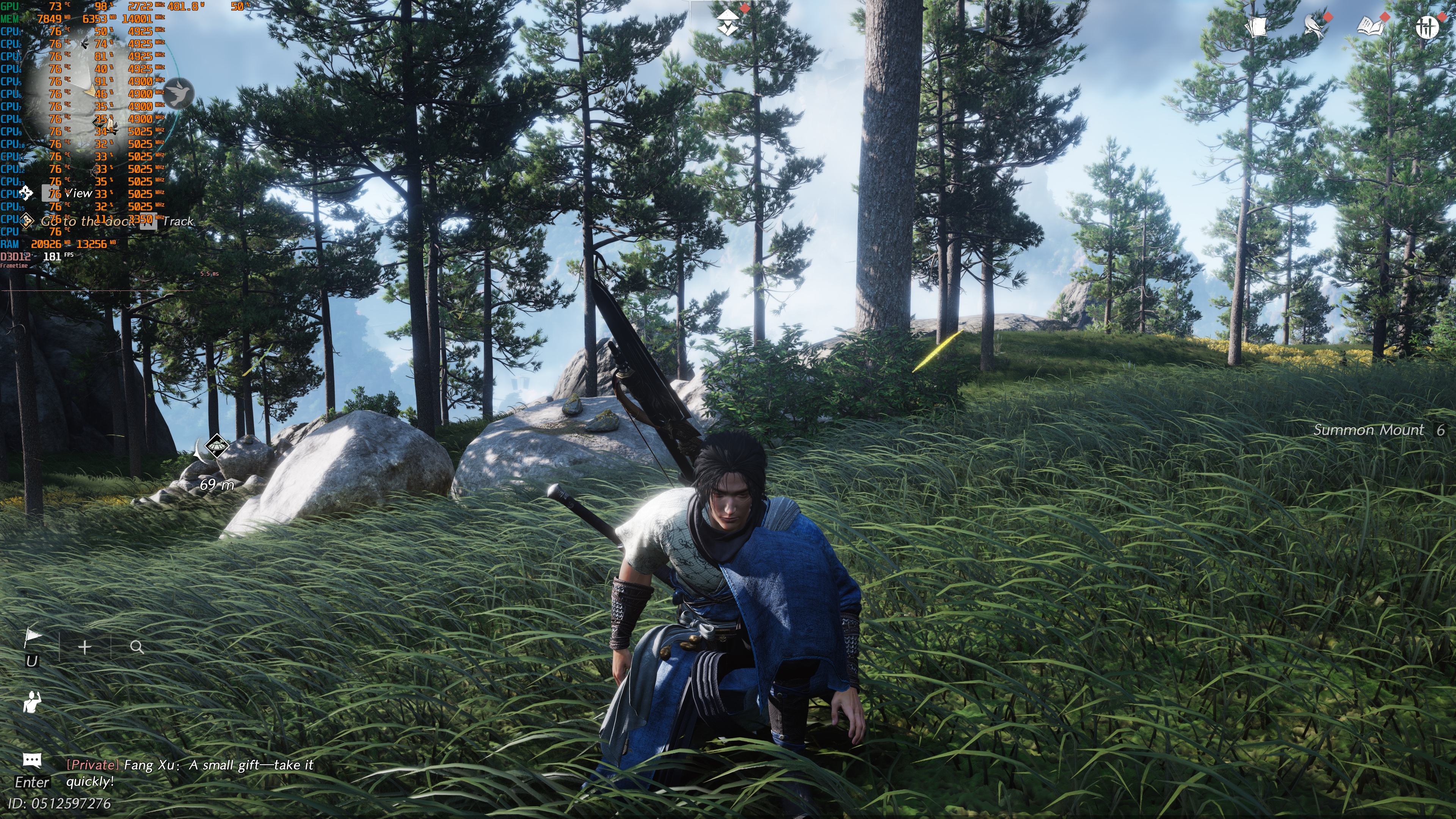
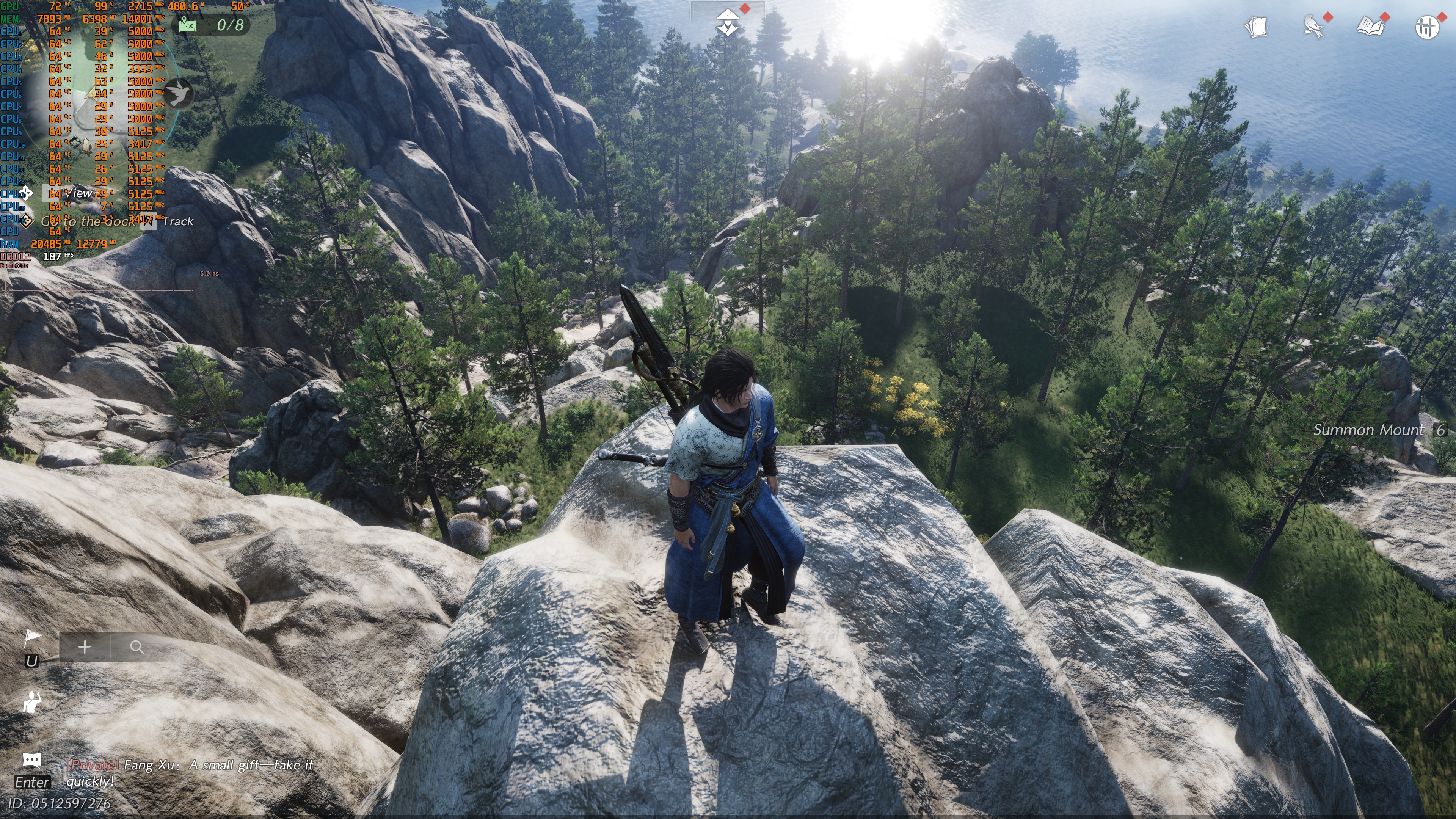
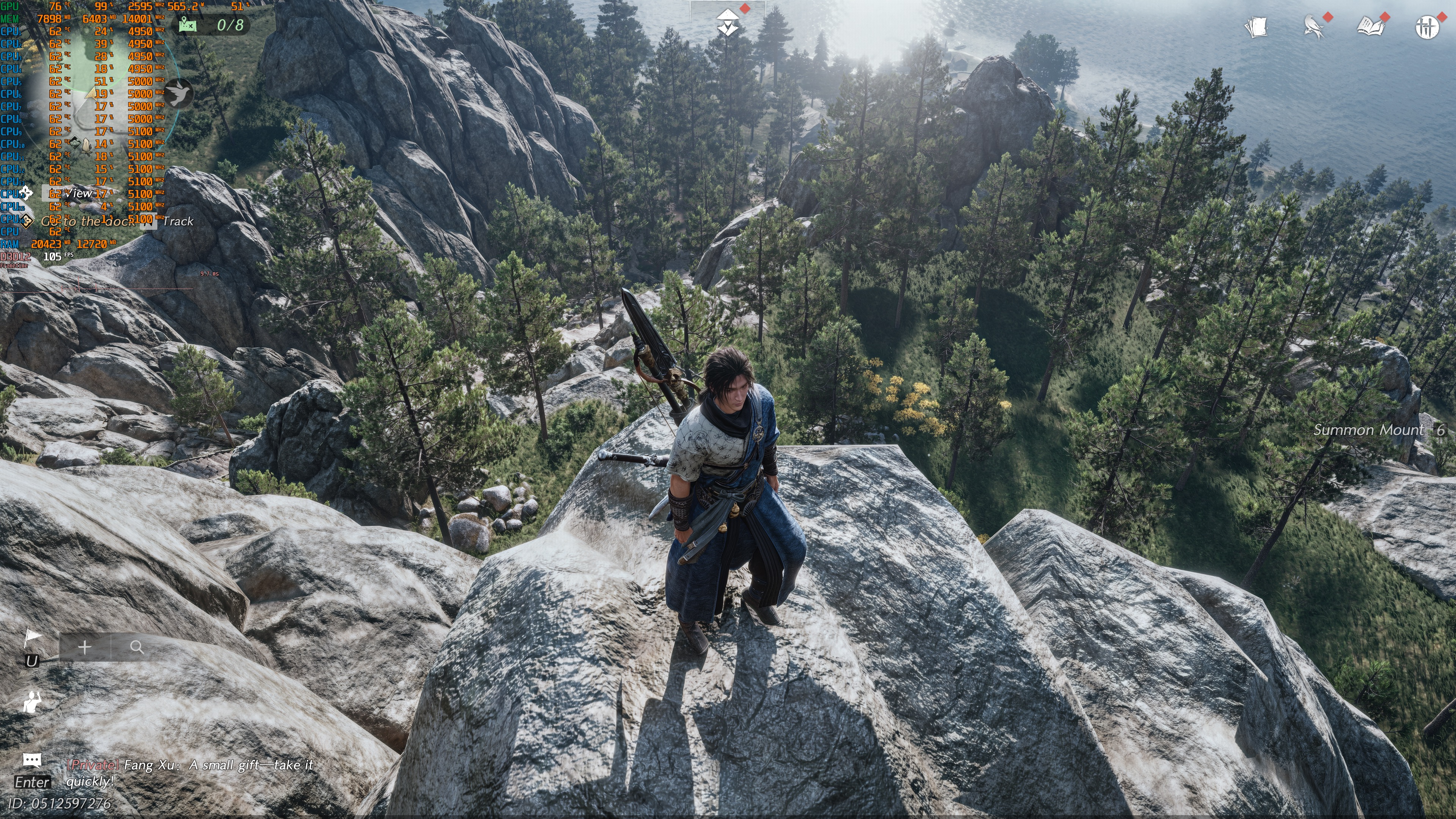
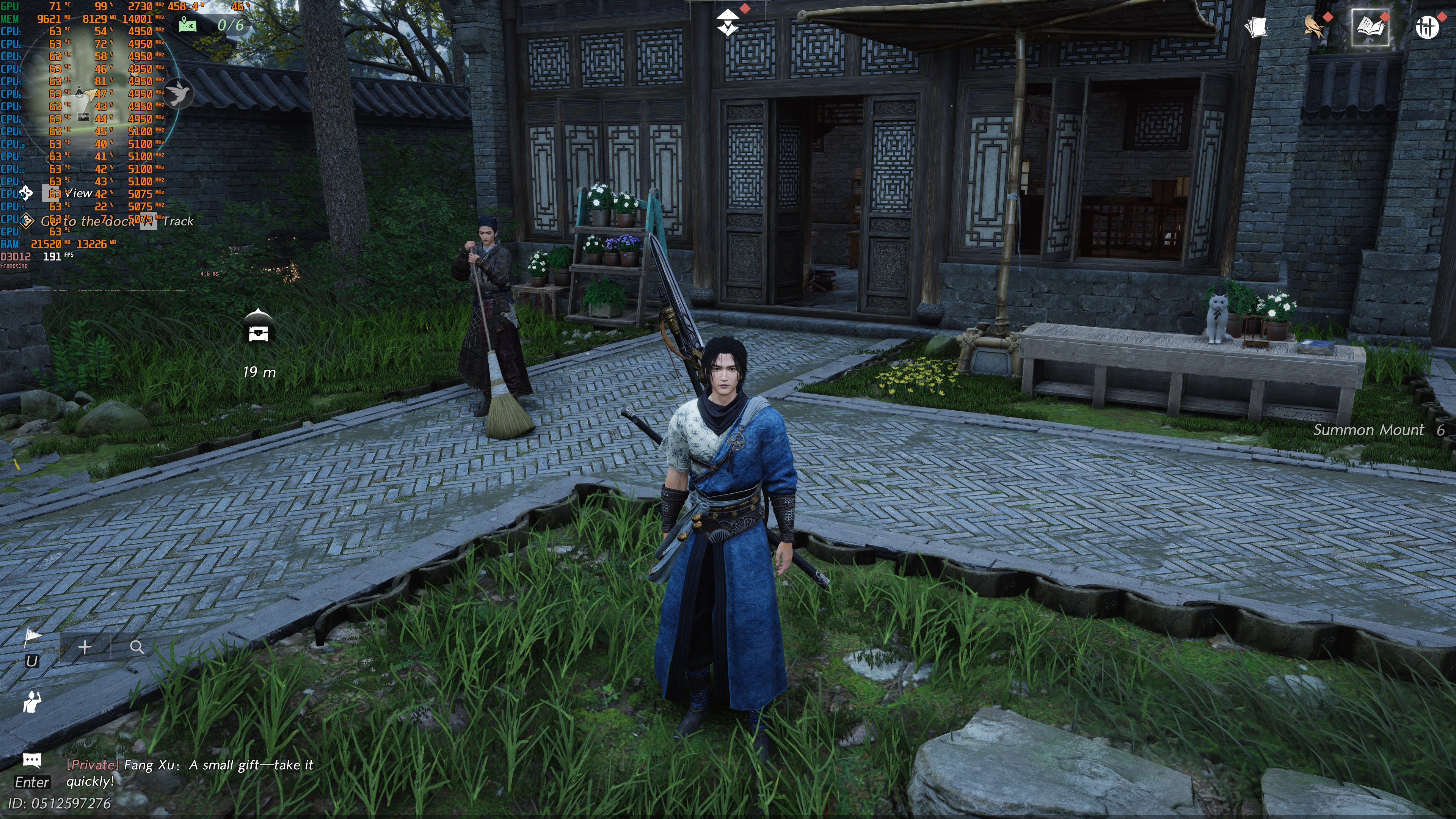
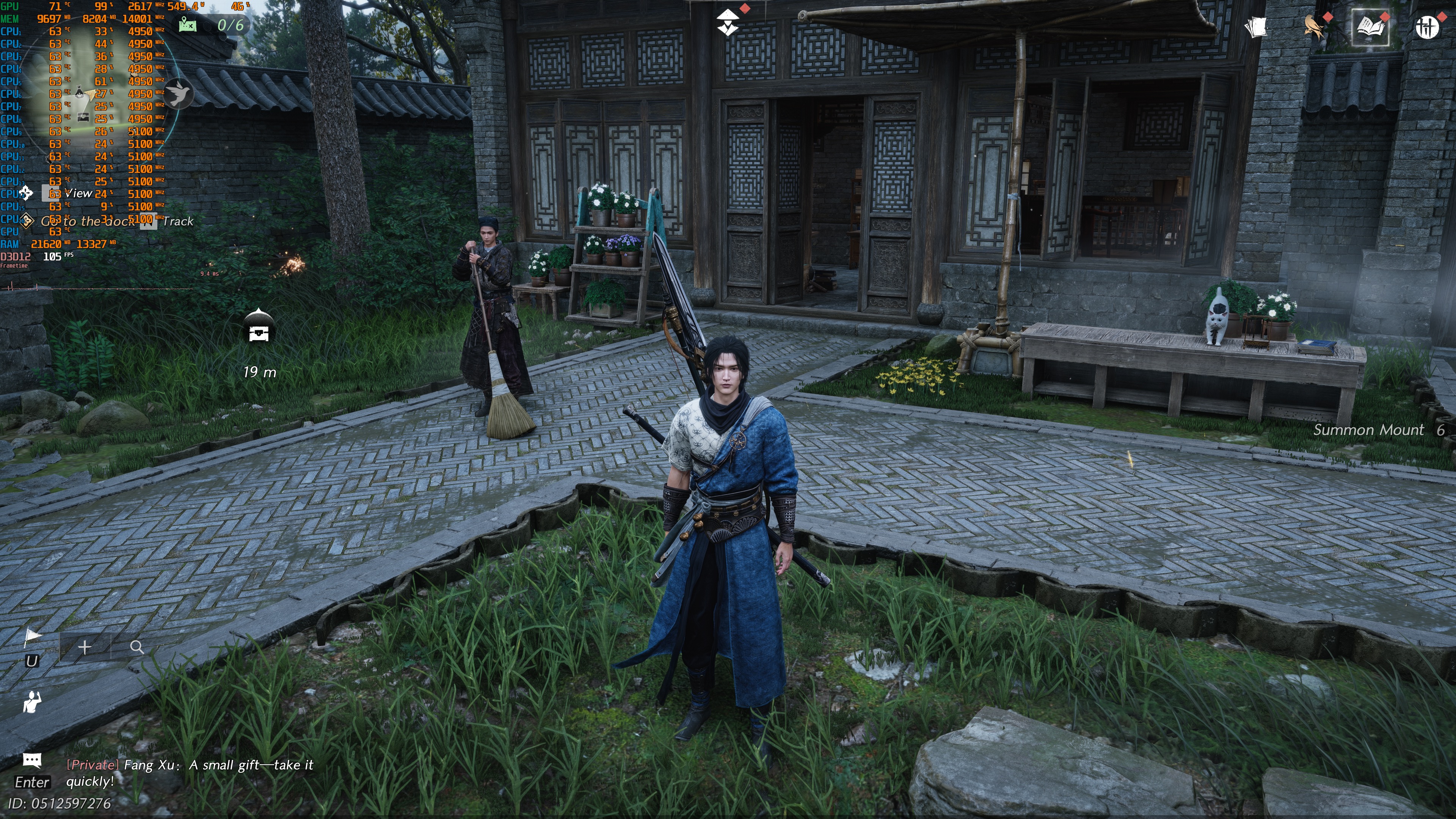
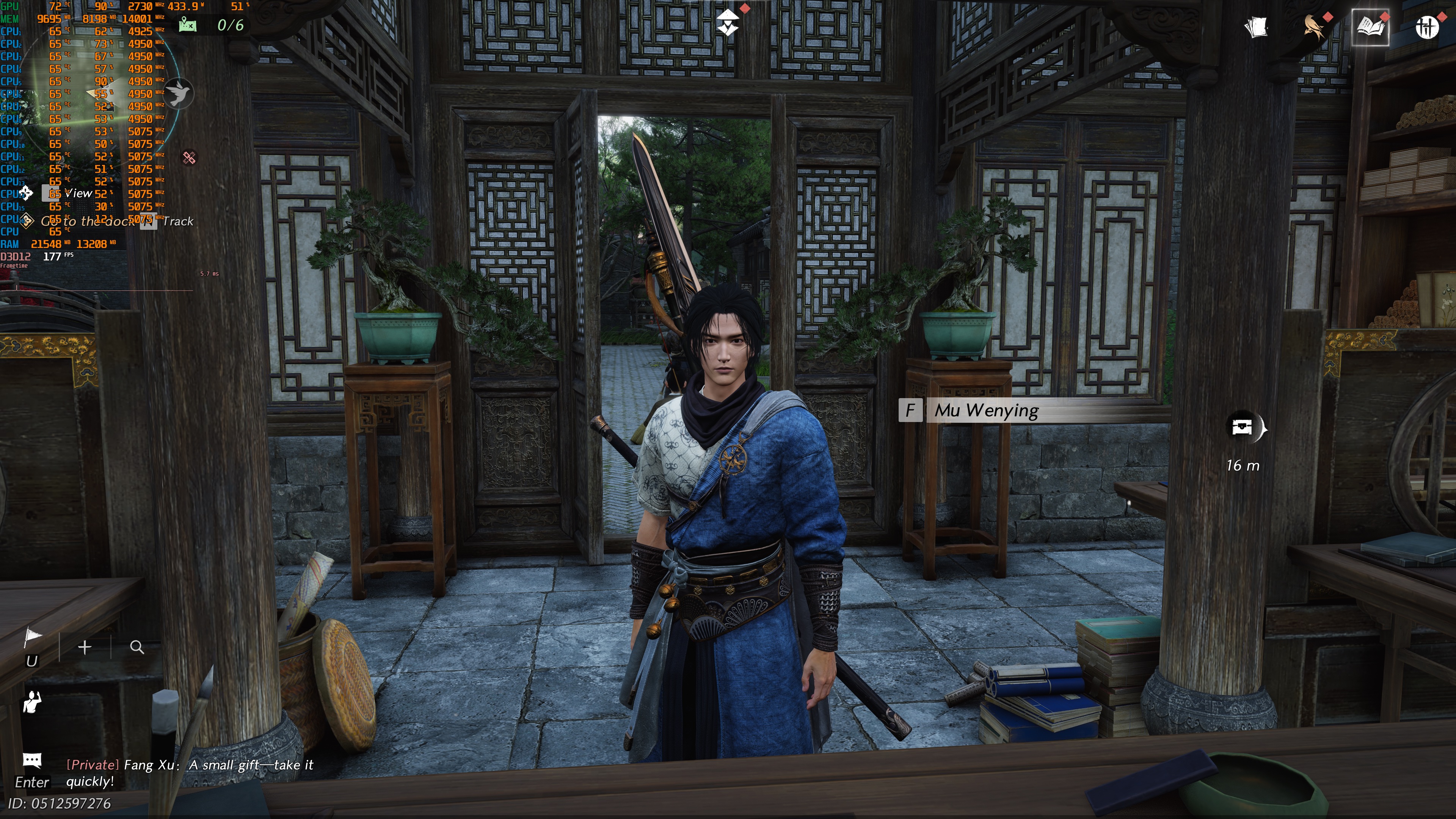
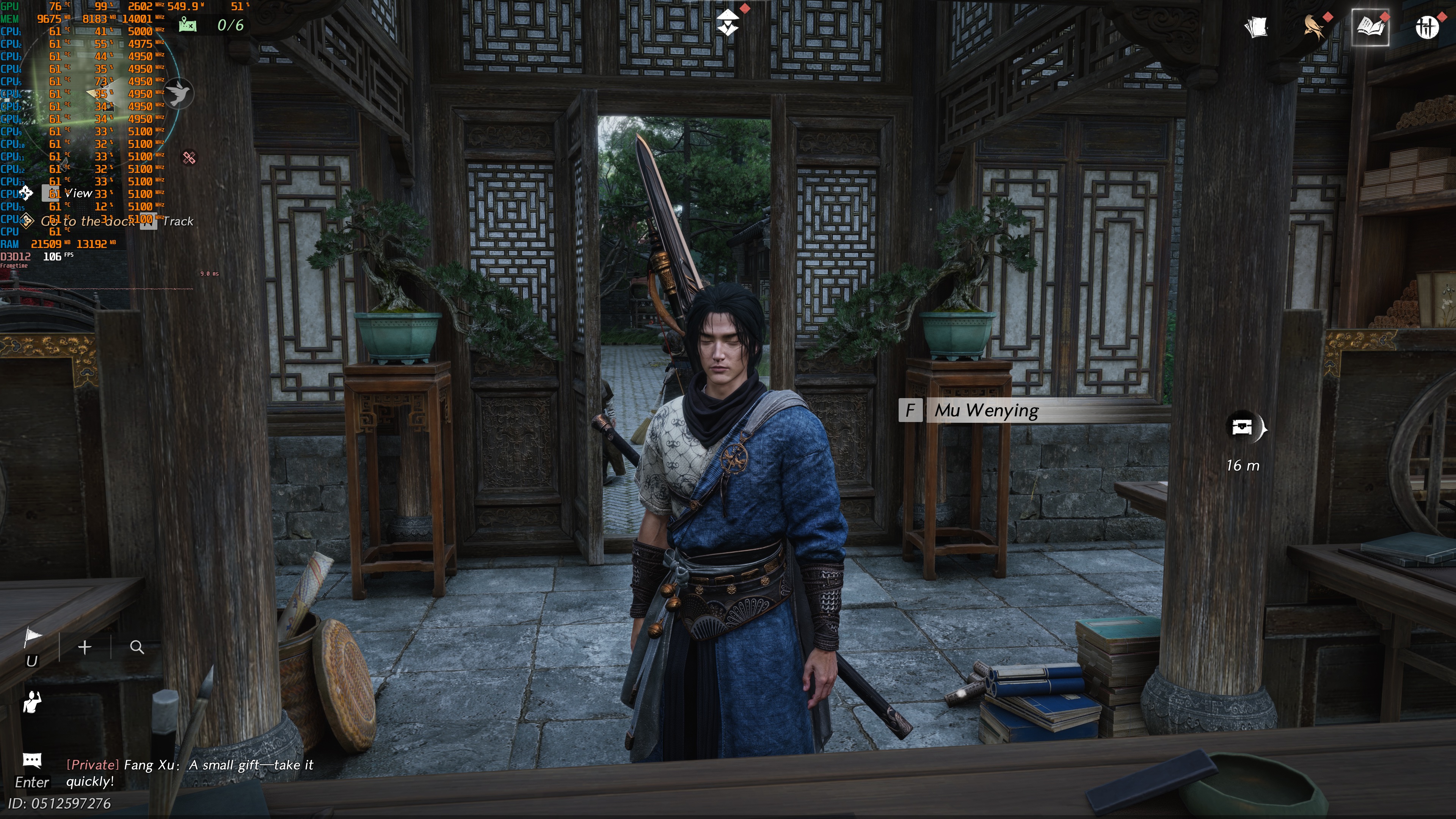
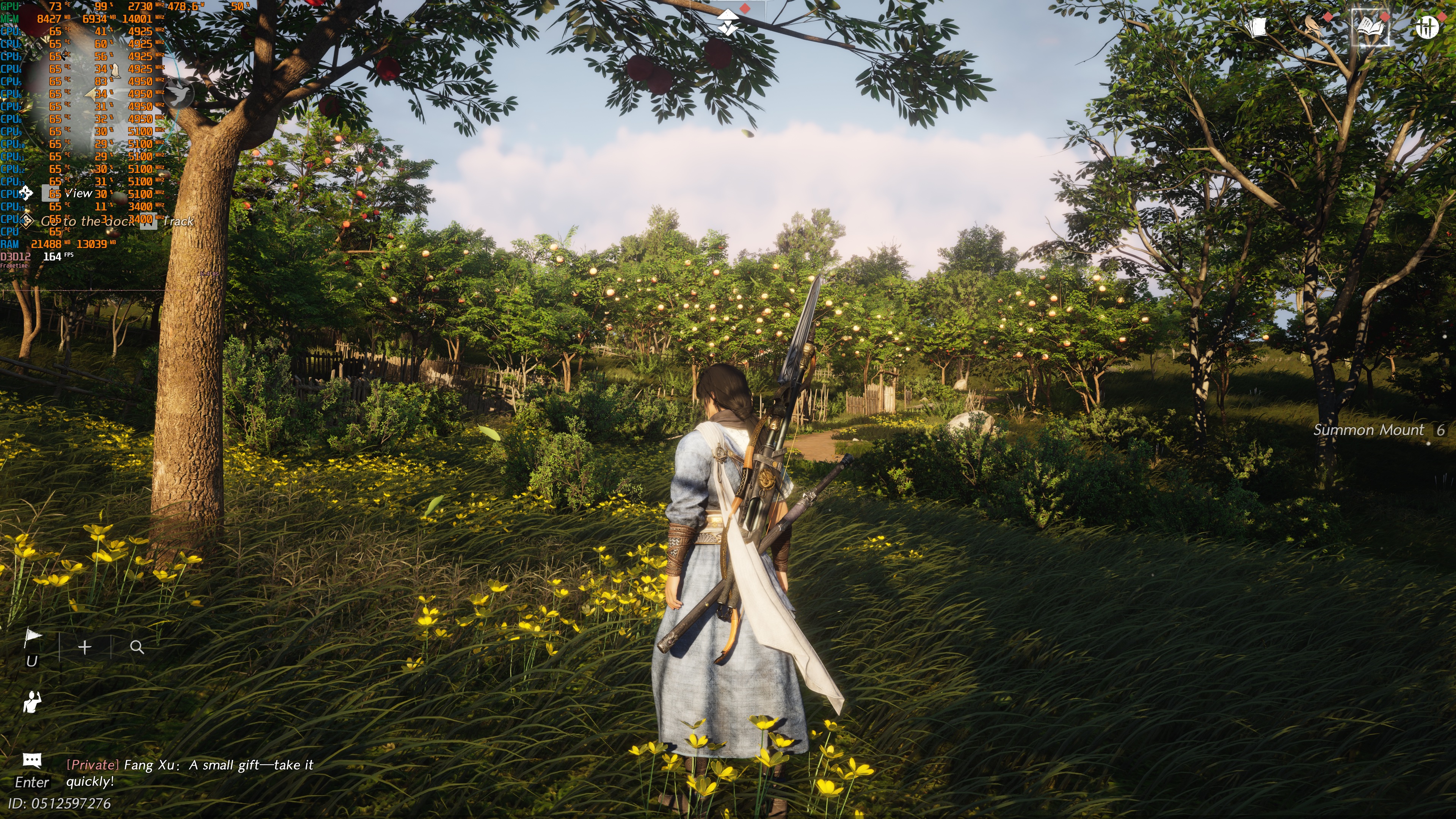
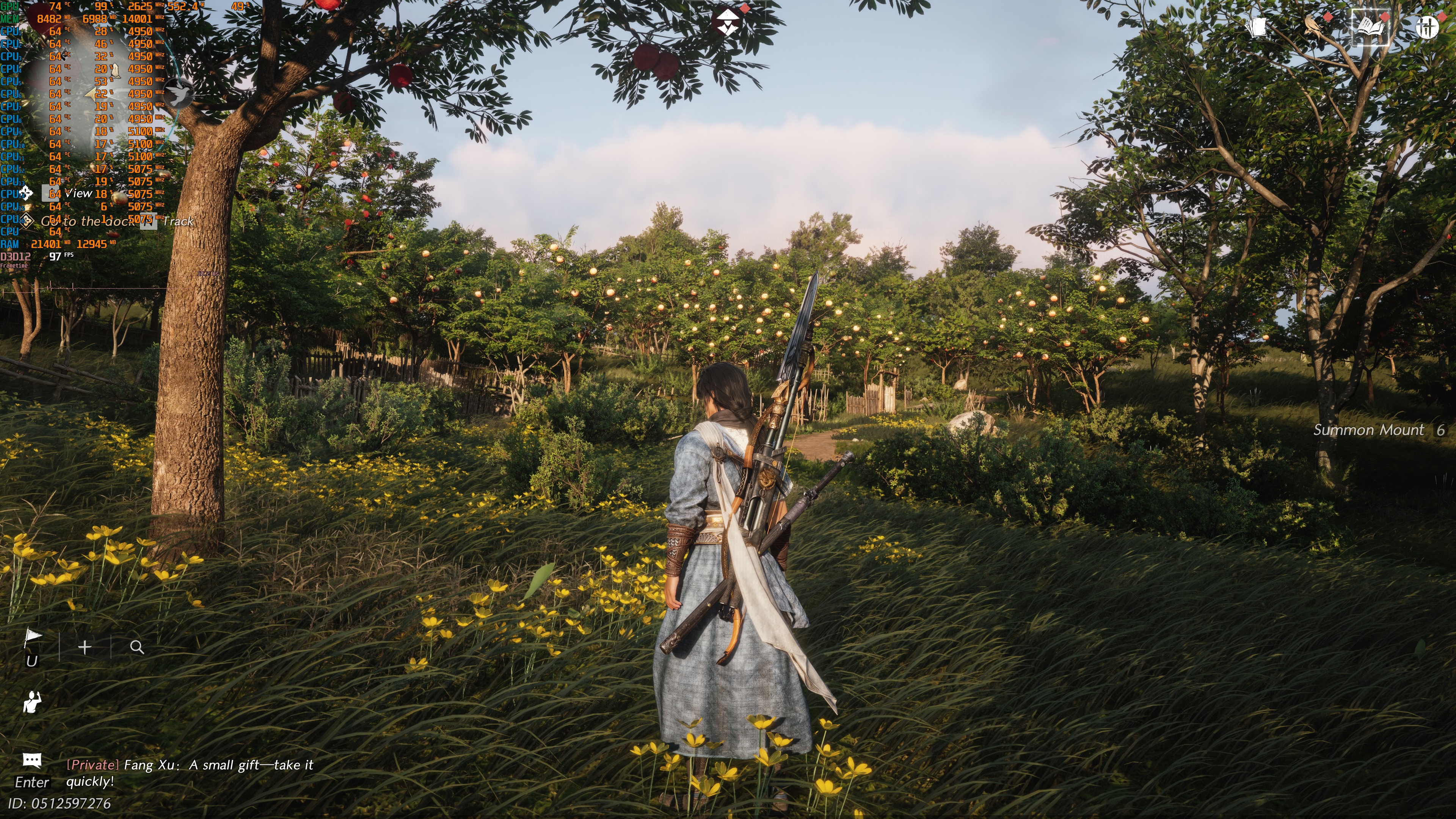
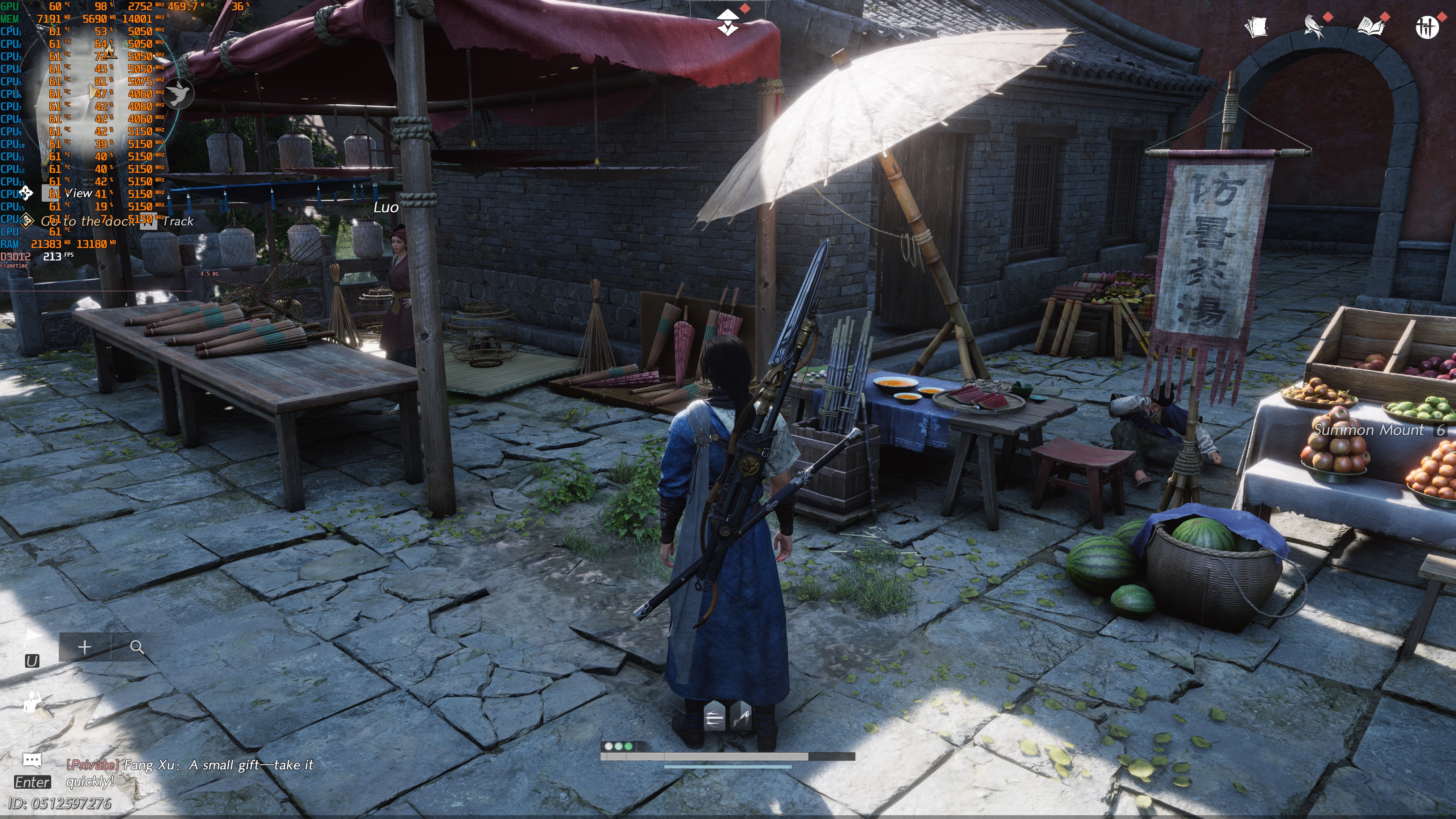
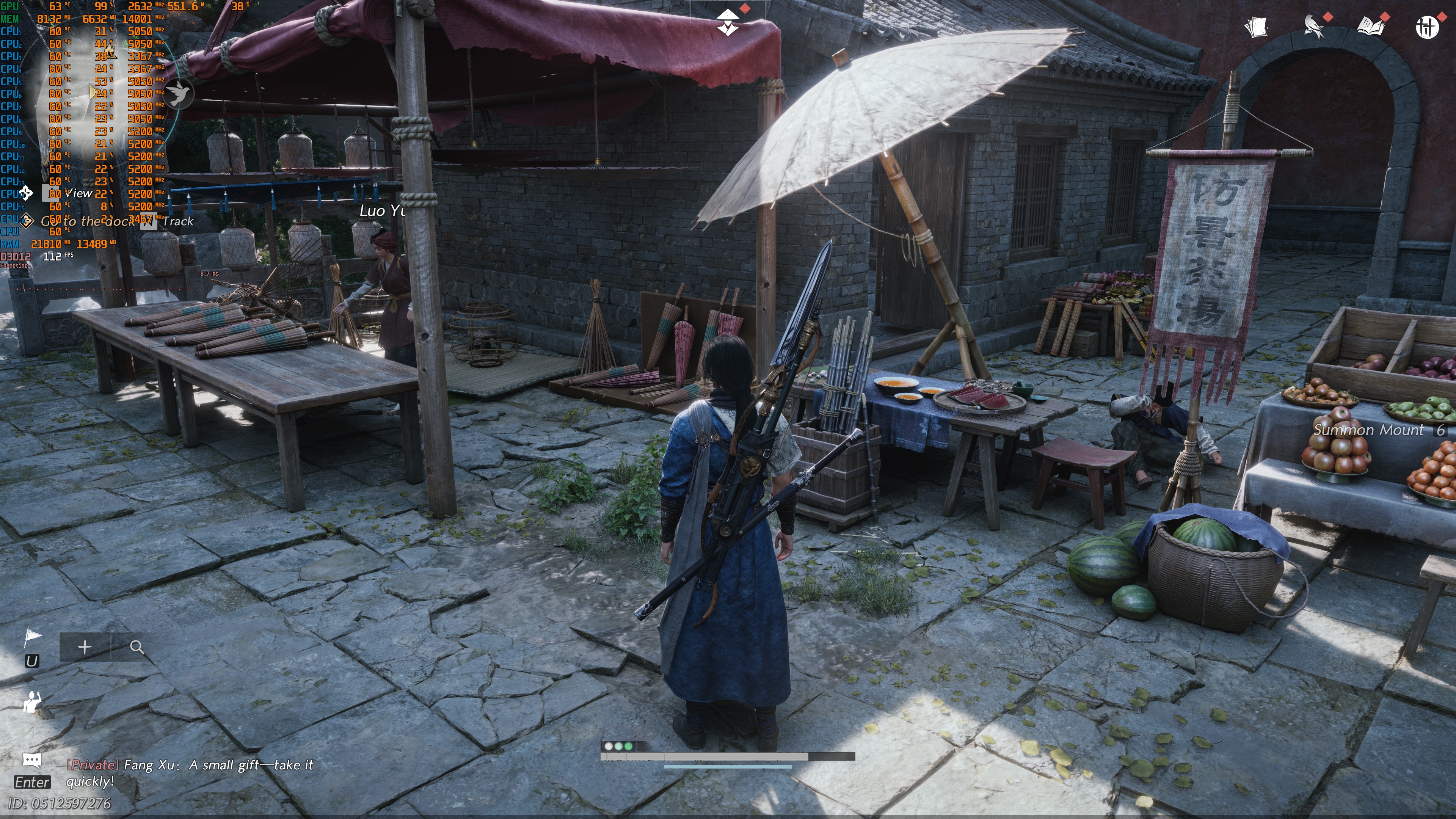
Take, for example, the second comparison. Look at the rocks, the character, and the rocks. Everything looks better with DLSS 5. Or how about the first comparison? Look how much better the characters’ faces look. This isn’t just a small visual improvement like the one we saw in the Metro games or in Hogwarts Legacy.
So, we’ve established that DLSS 5 looks great in Where Winds Meet. But what about its performance hit? Well, I have some good and some bad news. The bad news is that we are looking at a 50% performance hit. The good news is that the game can still run with over 100 FPS at 4K/DLSS Quality without Frame Gen.
Where Winds Meet does not use any Ray Tracing effects, which is why it can maintain such a high framerate, even without using Frame Gen. Sadly, though, DLSS 5 cannot fix the screen space issues that still affect the game. I bring this up because some players may blame DLSS 5 for these visual glitches. However, that would be wrong. The screen-space artifacts in ambient occlusion (AO) and reflections you’ll see have nothing to do with DLSS 5. These are all limitations of the rasterized renderer that could have been solved with Ray Tracing.
All in all, this is the best official DLSS 5 implementation I’ve seen. Not only does DLSS 5 improve the game’s visual quality, but you can adjust its strength. Truth be told, the in-game settings are nowhere close to those we have with the DLSS 5 mods. Still, this is currently the best we’ve gotten. So, kudos to the devs for offering them, and let’s hope that more will follow their example!
John is the founder and Editor in Chief at DSOGaming. He is a PC gaming fan and highly supports the modding and indie communities. Before creating DSOGaming, John worked on numerous gaming websites. While he is a die-hard PC gamer, his gaming roots can be found on consoles. John loved – and still does – the 16-bit consoles, and considers SNES to be one of the best consoles. Still, the PC platform won him over consoles. That was mainly due to 3DFX and its iconic dedicated 3D accelerator graphics card, Voodoo 2. John has also written a higher degree thesis on the “The Evolution of PC graphics cards.”
Contact: Email