

Capcom has lifted the first review embargo for its new game, Pragmata. Powered by the RE Engine, Pragmata supports DLSS 4 and Path Tracing on PC. So, in this article, we’ll benchmark this path-traced version.
For these benchmarks, I used an AMD Ryzen 9 7950X3D, 32GB of DDR5 at 6000Mhz, and an NVIDIA GeForce RTX 5090. I also used Windows 10 64-bit, and the GeForce 595.97 driver.
Pragmata has the exact same Path Tracing and Ray Tracing options and restrictions as Resident Evil Requiem. In other words, to enable Path Tracing, you’ll have to use DLSS 4 and Ray Reconstruction. Moreover, you cannot enable Ray Reconstruction when using Ray Tracing.
Pragmata does not have a built-in benchmark tool. So, for our tests, I used this area. From what I could see, this was one of the most demanding areas you could find early in the game.
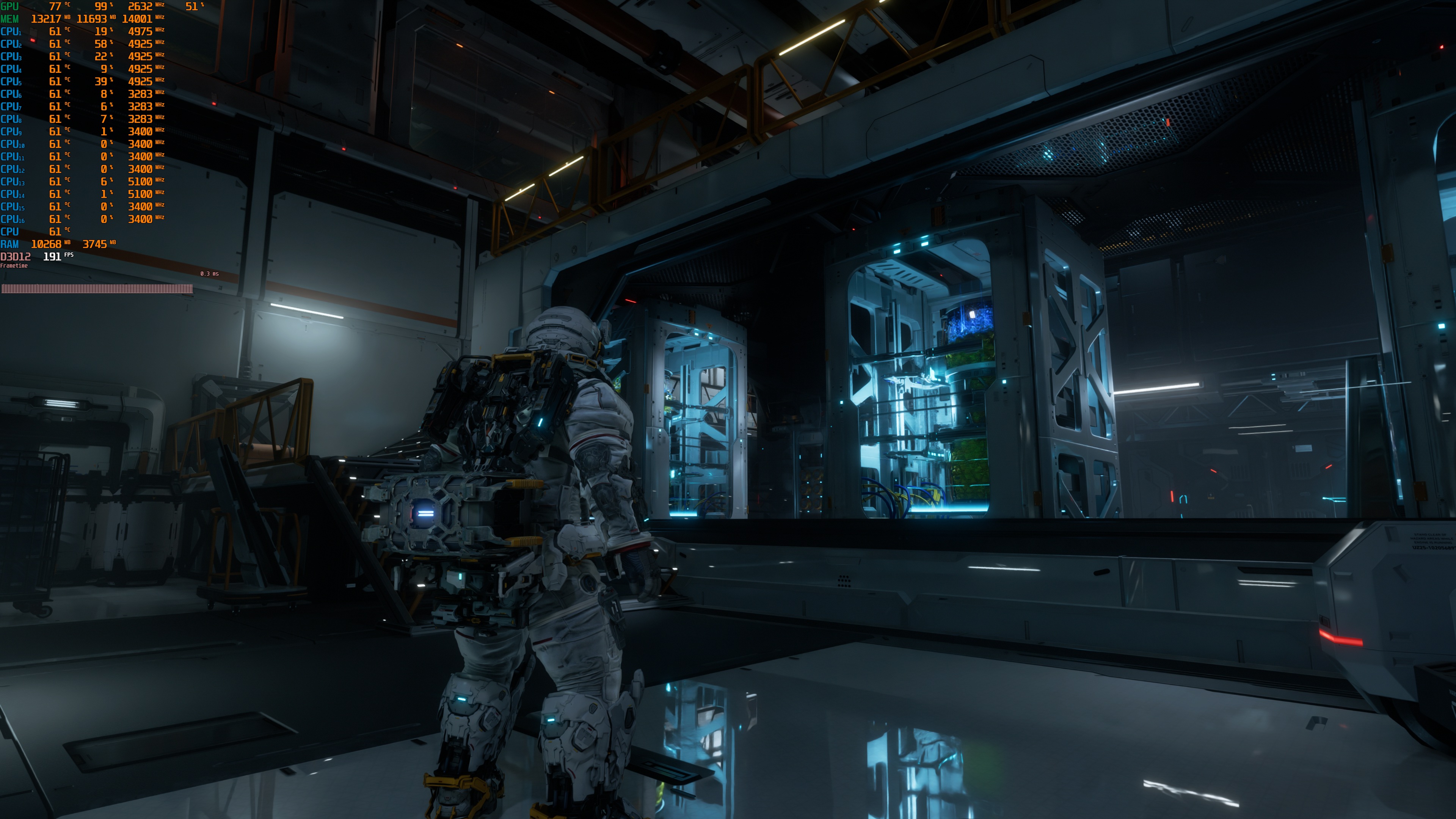
At Native 4K with DLAA, the path-traced version runs with a minimum of 29FPS and an average of 31FPS. With DLSS 4 Quality, we were able to get close to 60FPS. Then, with DLSS 4 Quality and Frame Gen, we got to 100FPS. MFG X3 and X4 were able to boost performance so that we could hit 150FPS and 190FPS, respectively.
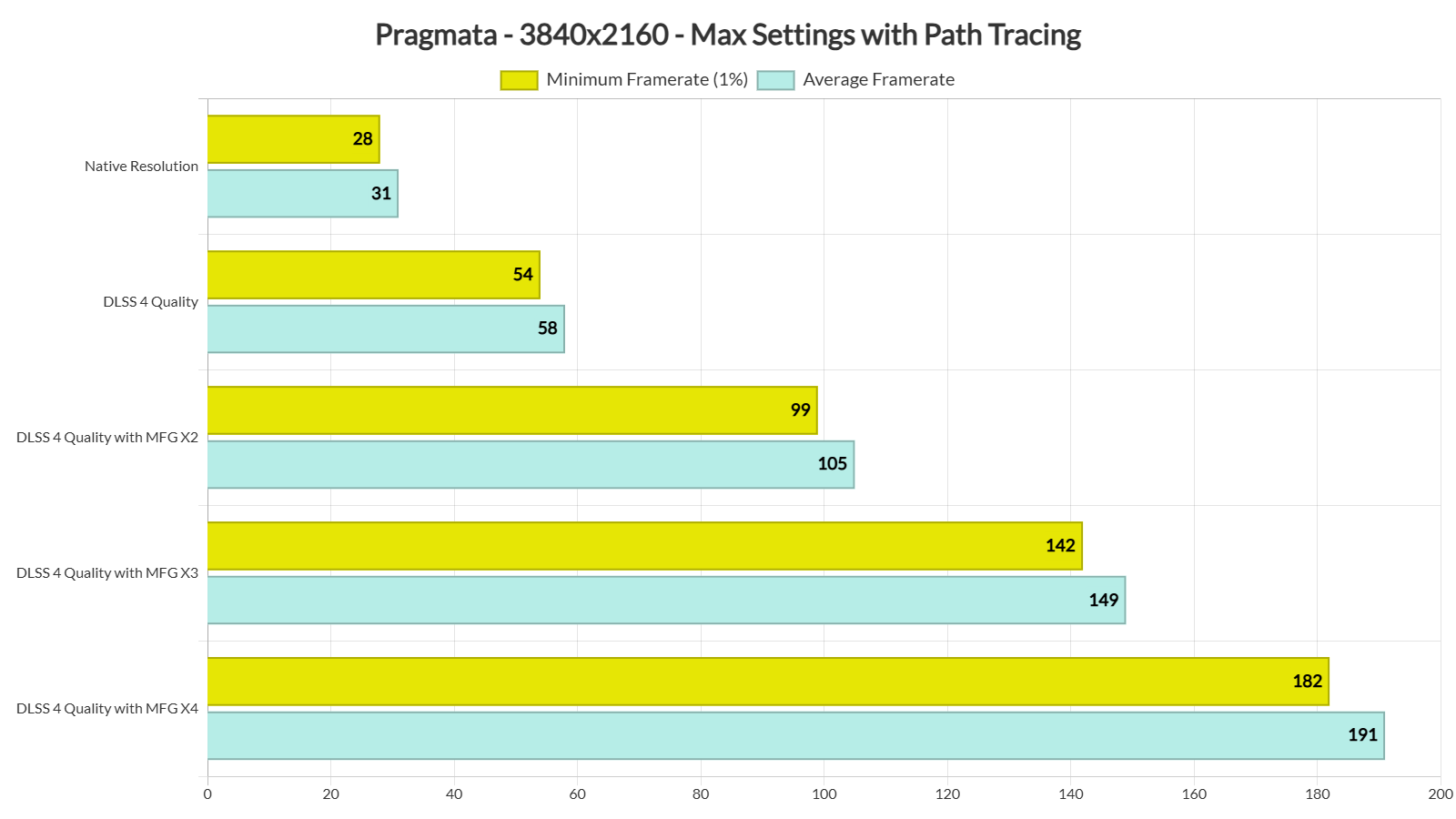
Since our base framerate was between 53FPS and 58FPS, there weren’t any major input latency issues with Multi-Frame Gen. The MFG implementation also appears to be solid. It’s not among the best I’ve seen, but it’s also way above average.
Here are some screenshots I took while quickly moving the camera. You can spot a few minor ghosting issues here and there, but most of you won’t notice them. After all, you won’t be moving the camera as aggressively during normal gameplay.
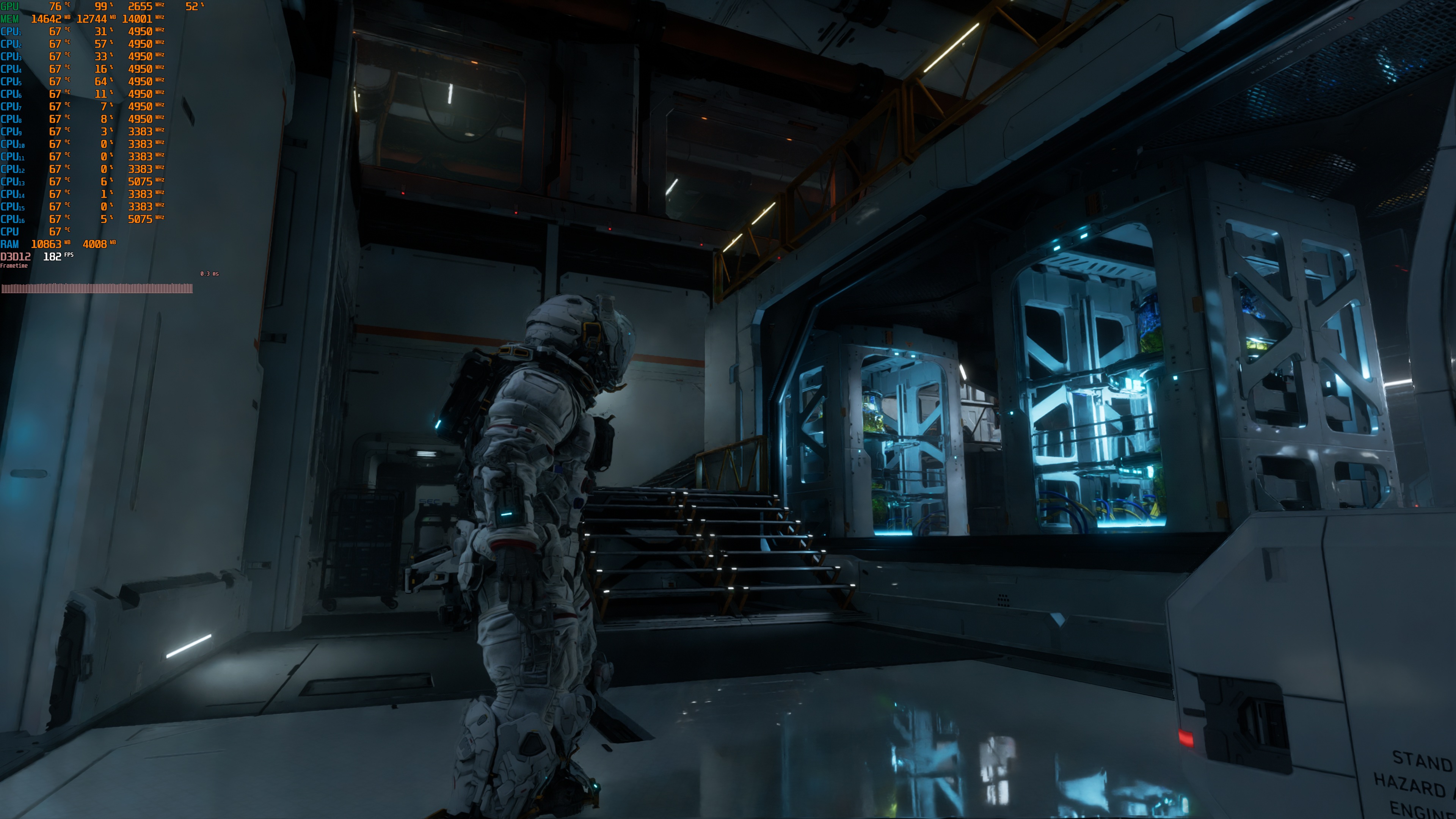
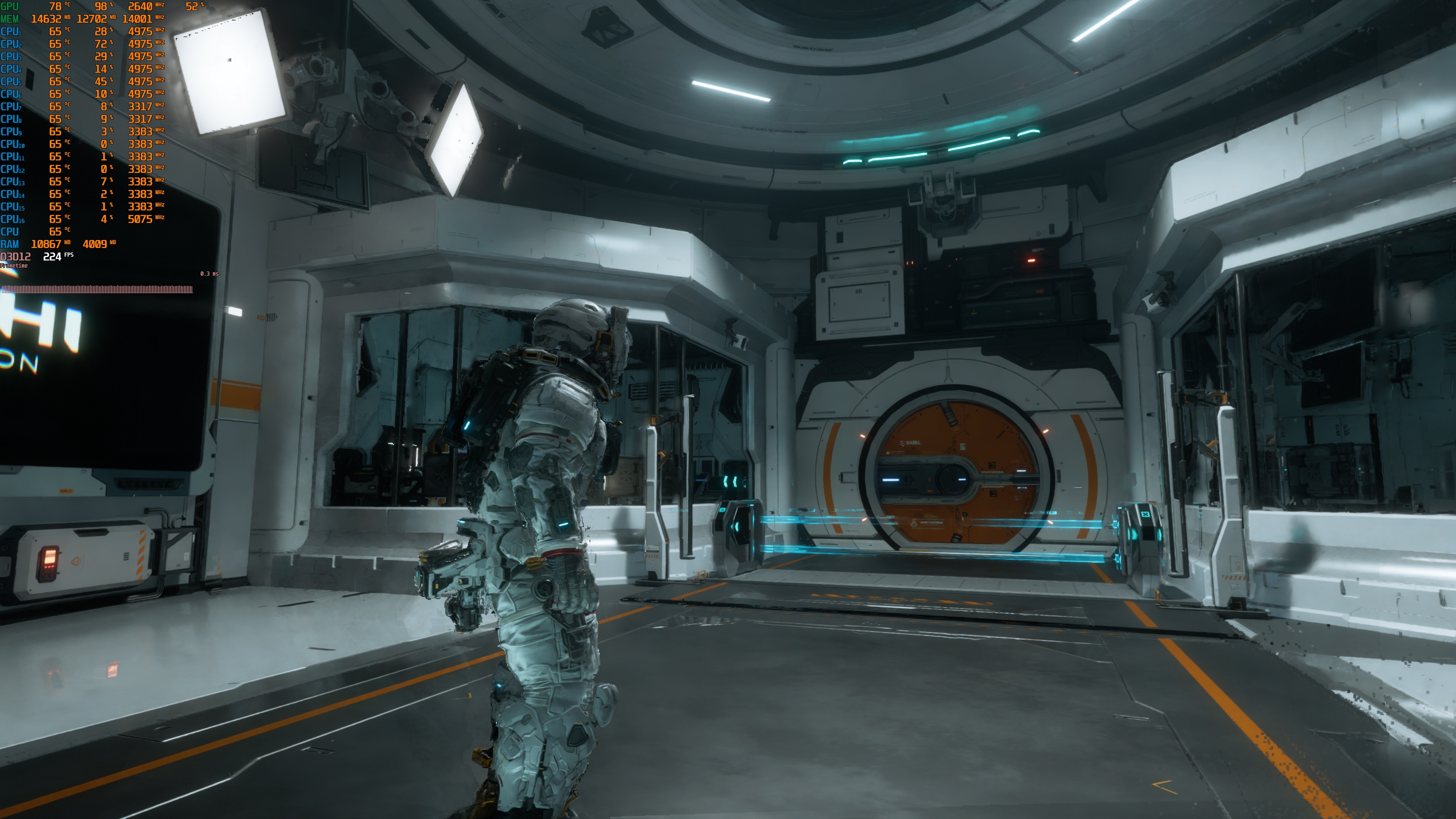
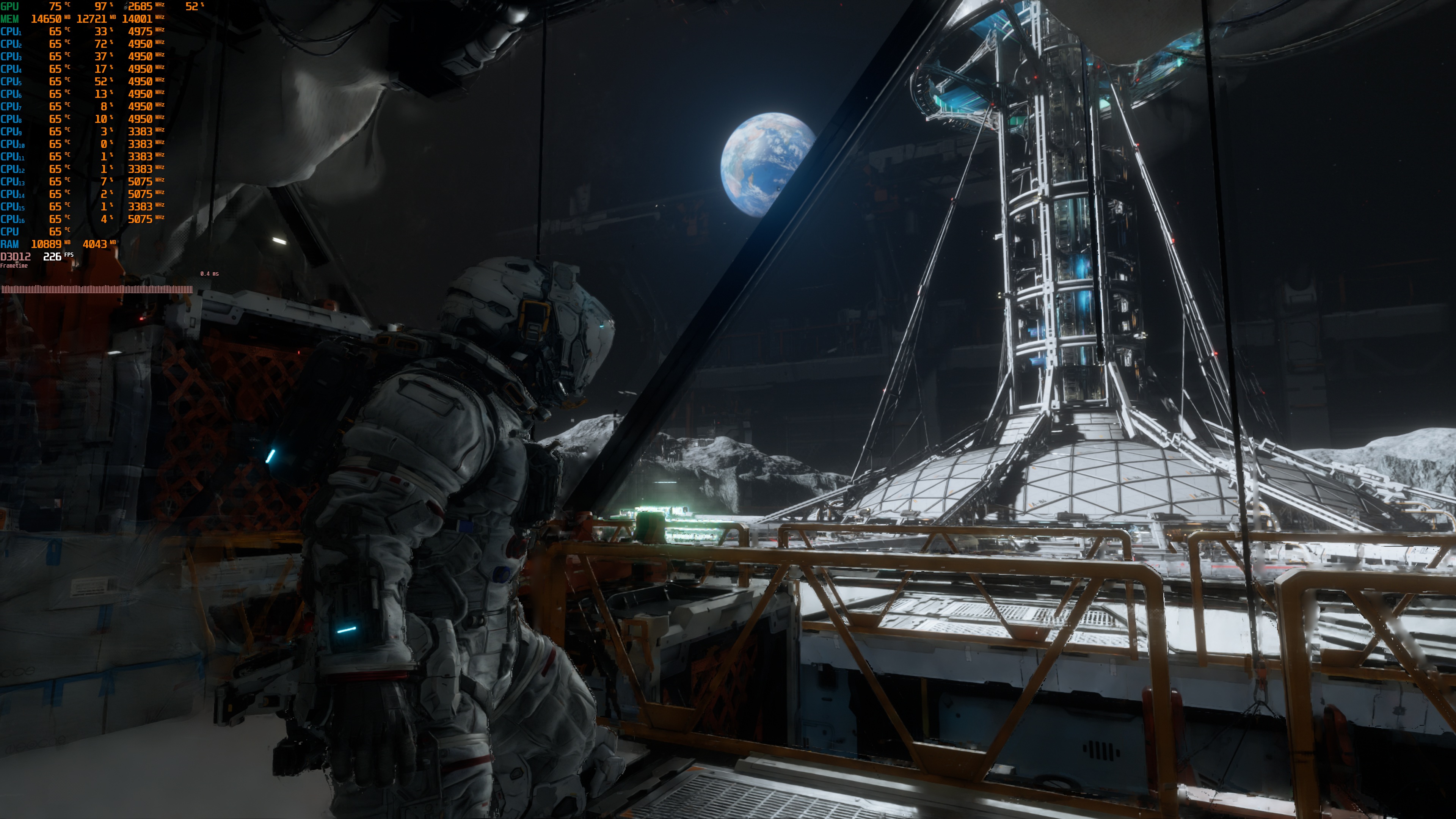
All in all, the path-traced version of Pragmata can run great on a high-end GPU like the NVIDIA RTX 5090. If you own this particular GPU, the best way to experience it at 4K is with DLSS 4 Quality and MFG X4. That is, of course, if you own a 240Hz or 360Hz monitor.
Capcom will release Pragmata on April 17th. Our PC Performance Analysis, in which we’ll have benchmarks for numerous NVIDIA and AMD GPUs, will go live before the game launches. So, stay tuned for more!


John is the founder and Editor in Chief at DSOGaming. He is a PC gaming fan and highly supports the modding and indie communities. Before creating DSOGaming, John worked on numerous gaming websites. While he is a die-hard PC gamer, his gaming roots can be found on consoles. John loved – and still does – the 16-bit consoles, and considers SNES to be one of the best consoles. Still, the PC platform won him over consoles. That was mainly due to 3DFX and its iconic dedicated 3D accelerator graphics card, Voodoo 2. John has also written a higher degree thesis on the “The Evolution of PC graphics cards.”
Contact: Email