

Techland has just released Dying Light: The Beast on PC. However, it appears that the game does not support any of its advertised Ray Tracing effects. The devs have stated that they will add them via a post-launch update. I was able to test the game, so it’s time to share my initial performance impressions.
To test the game, I used an AMD Ryzen 9 7950X3D, 32GB of DDR5 at 6000Mhz, and an NVIDIA RTX 5090. I also used Windows 10 64-bit, and the GeForce 581.29 driver.
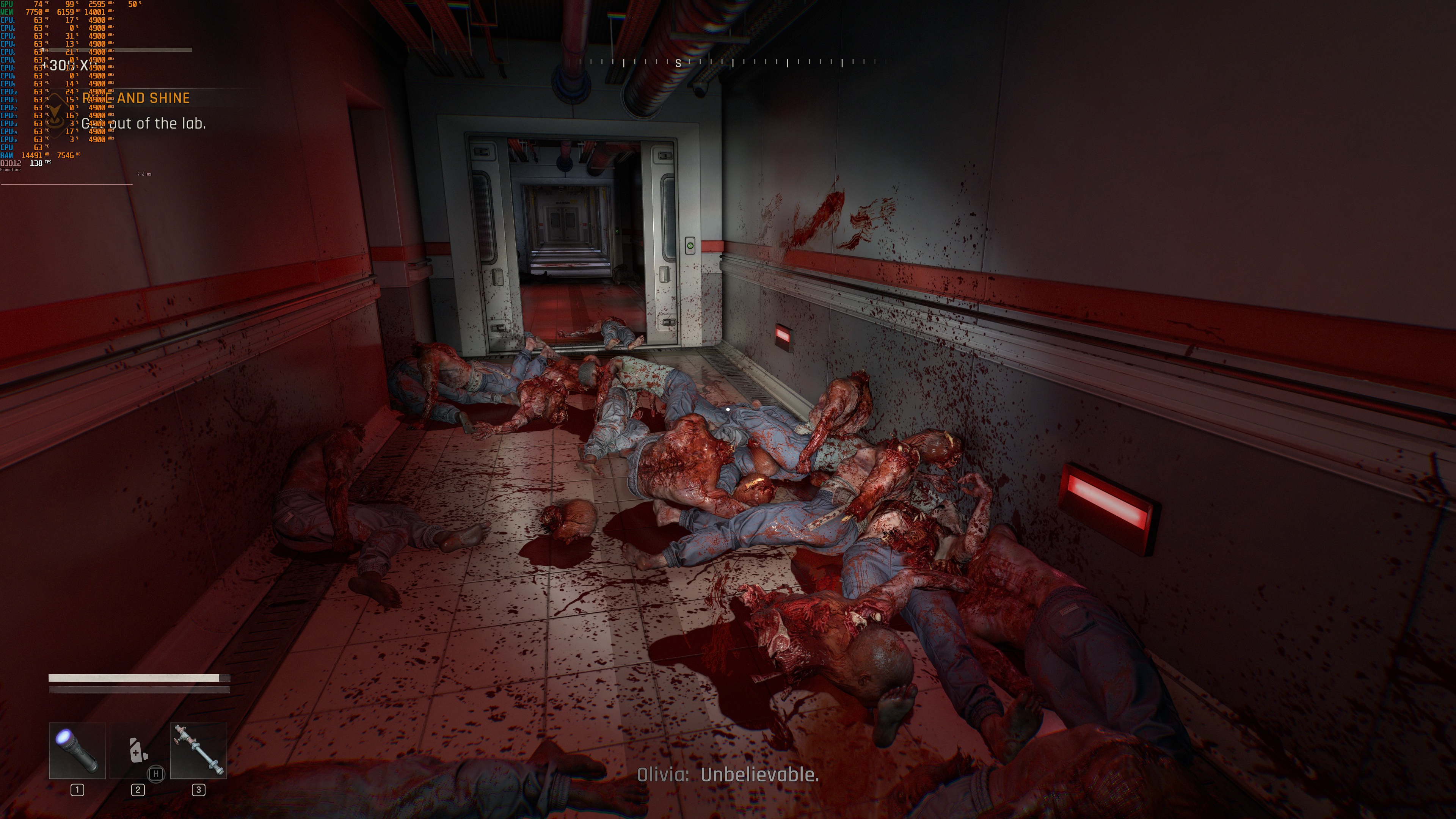
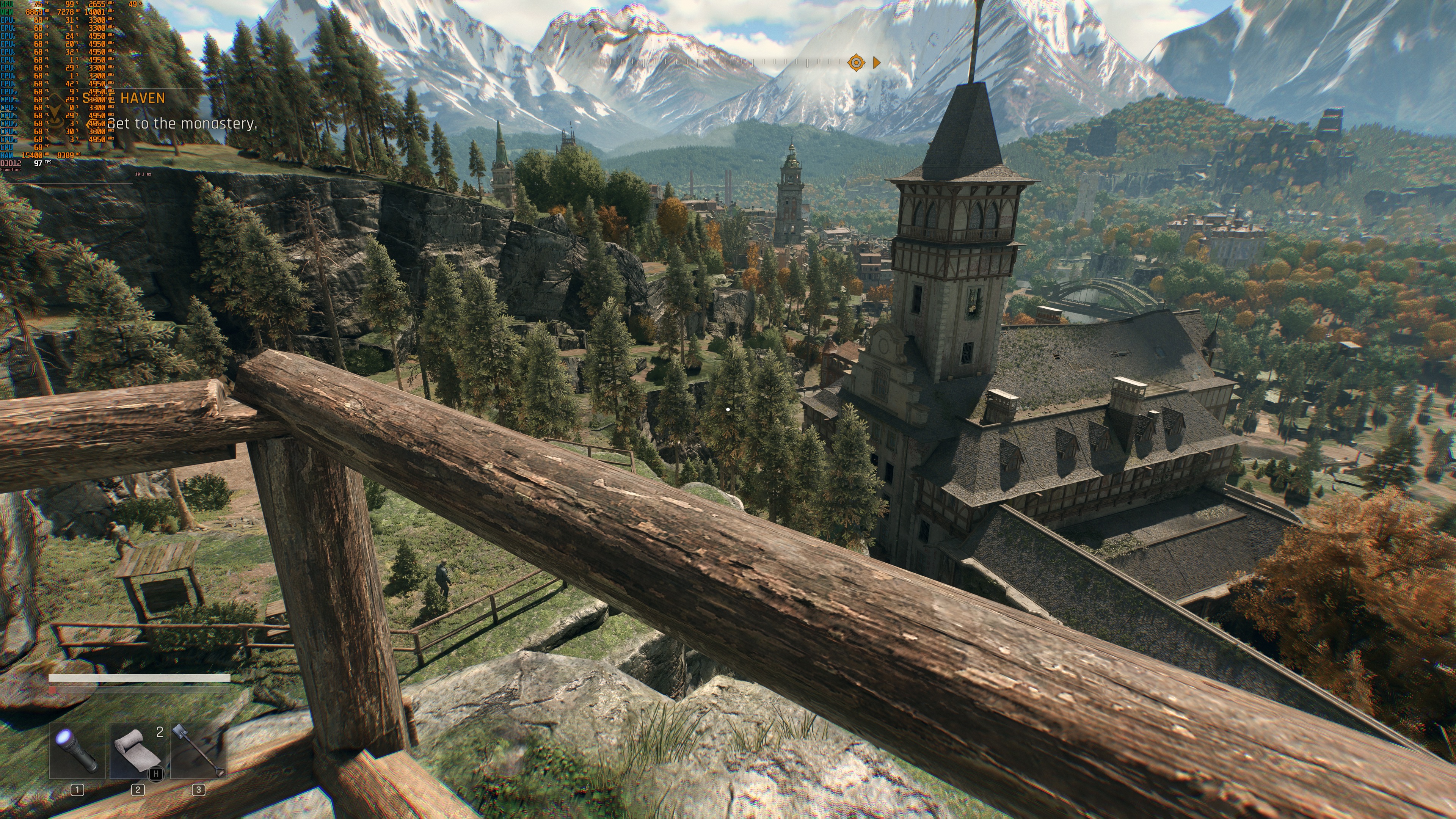
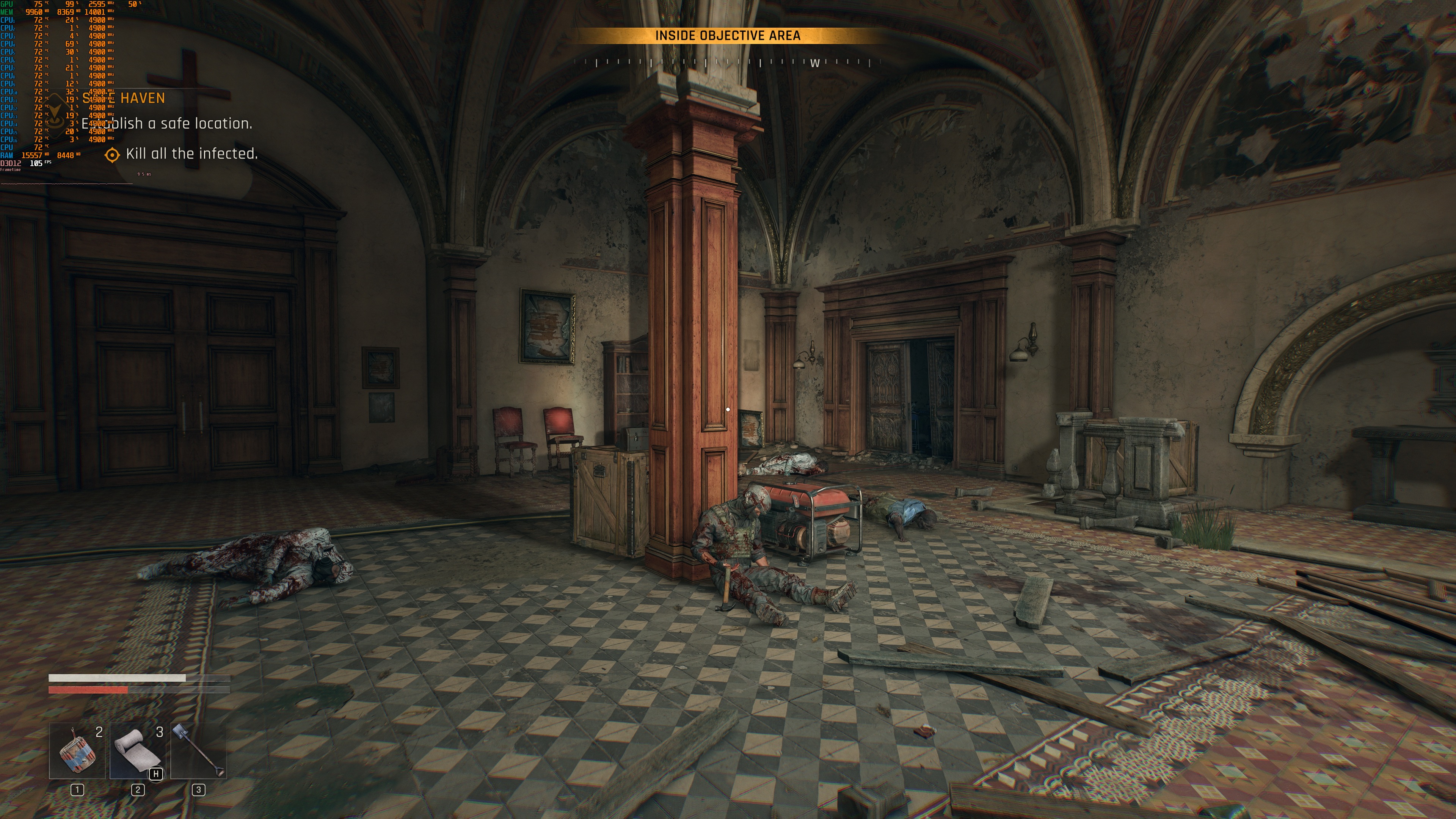
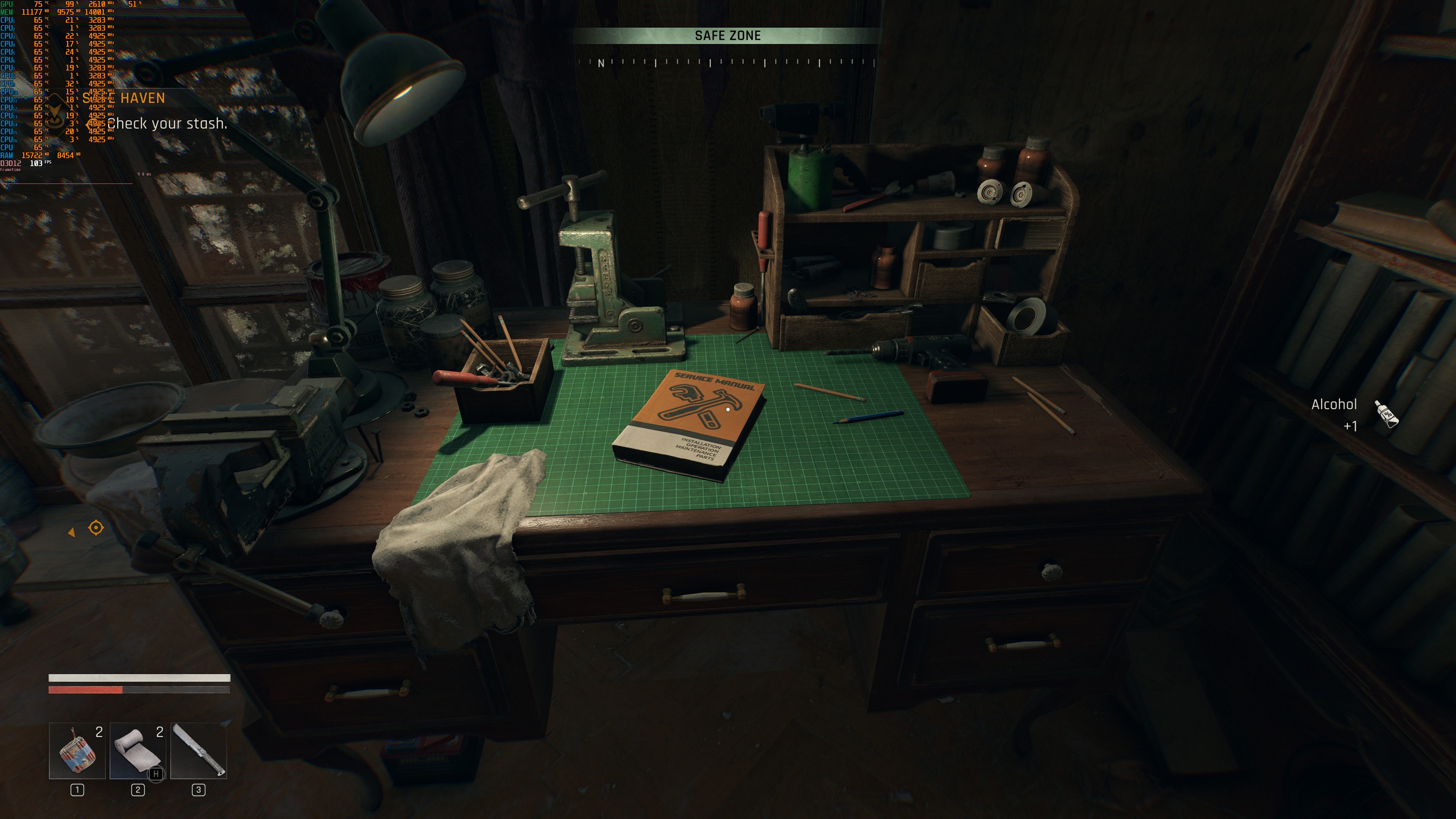
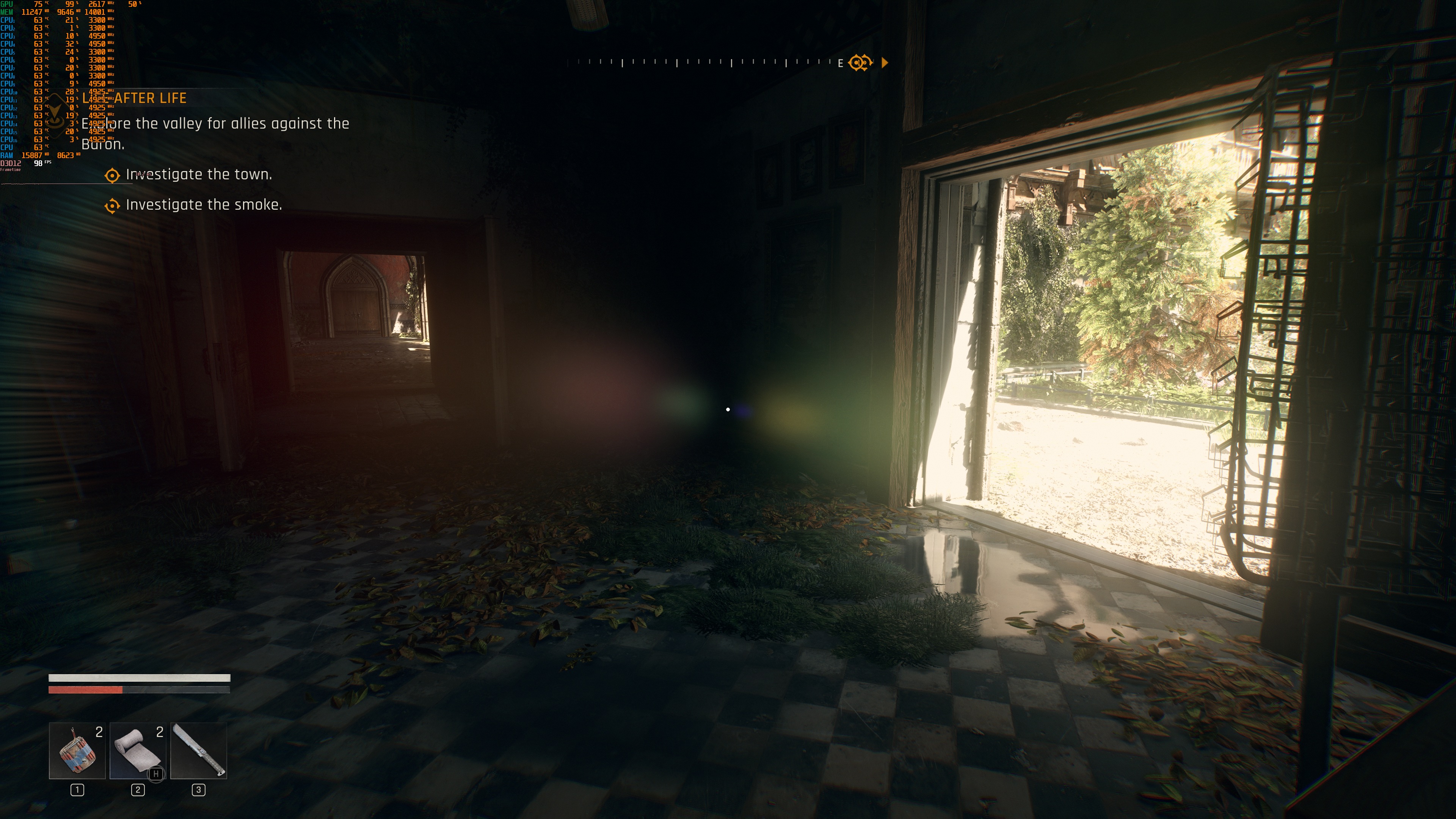
At Native 4K/Max Settings with DLAA, the game was running with an average of 94-98FPS. The interior places appeared to run way better than the open-world area. However, I was able to find an area early in the game that appeared to be quite demanding.
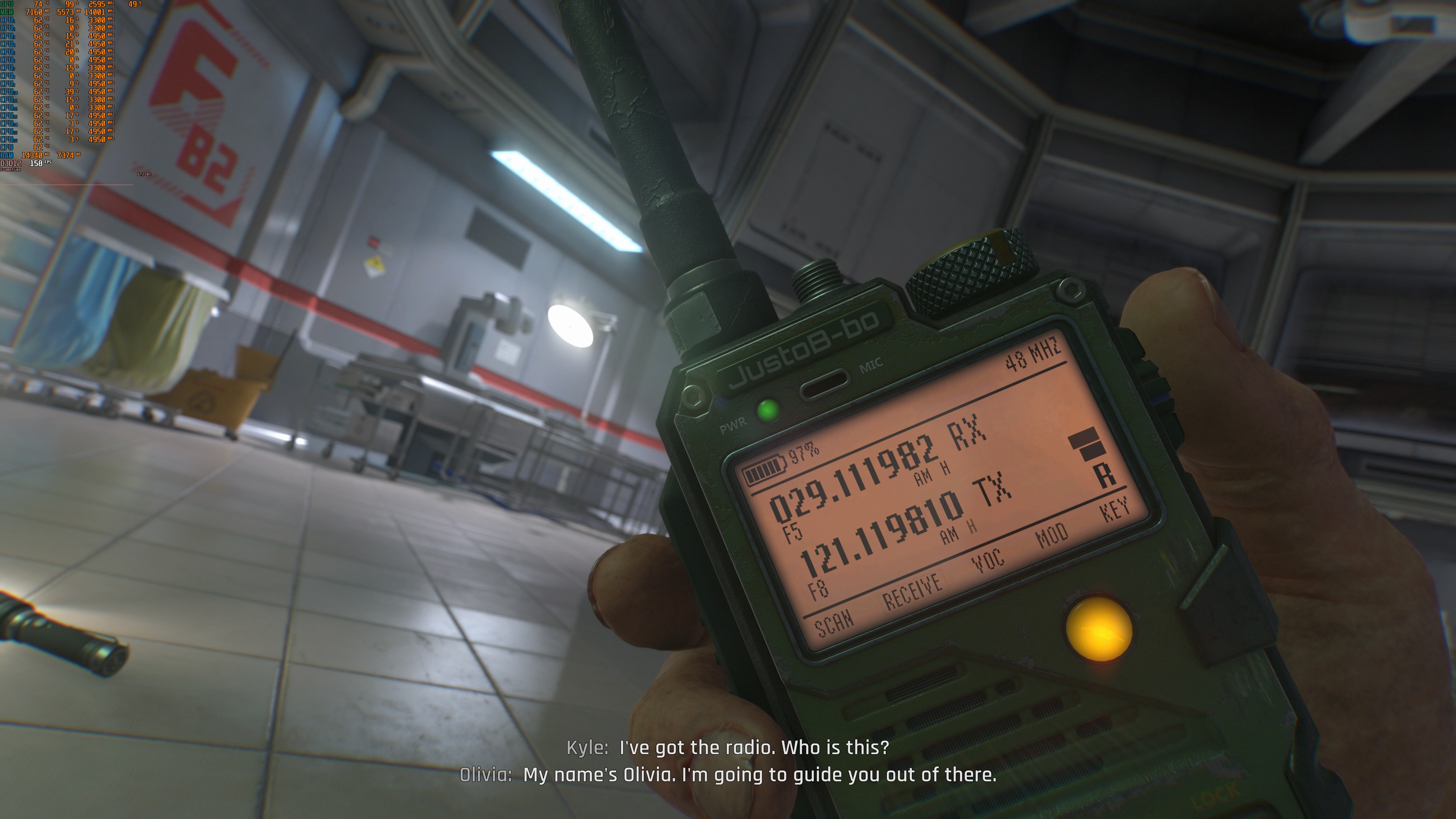
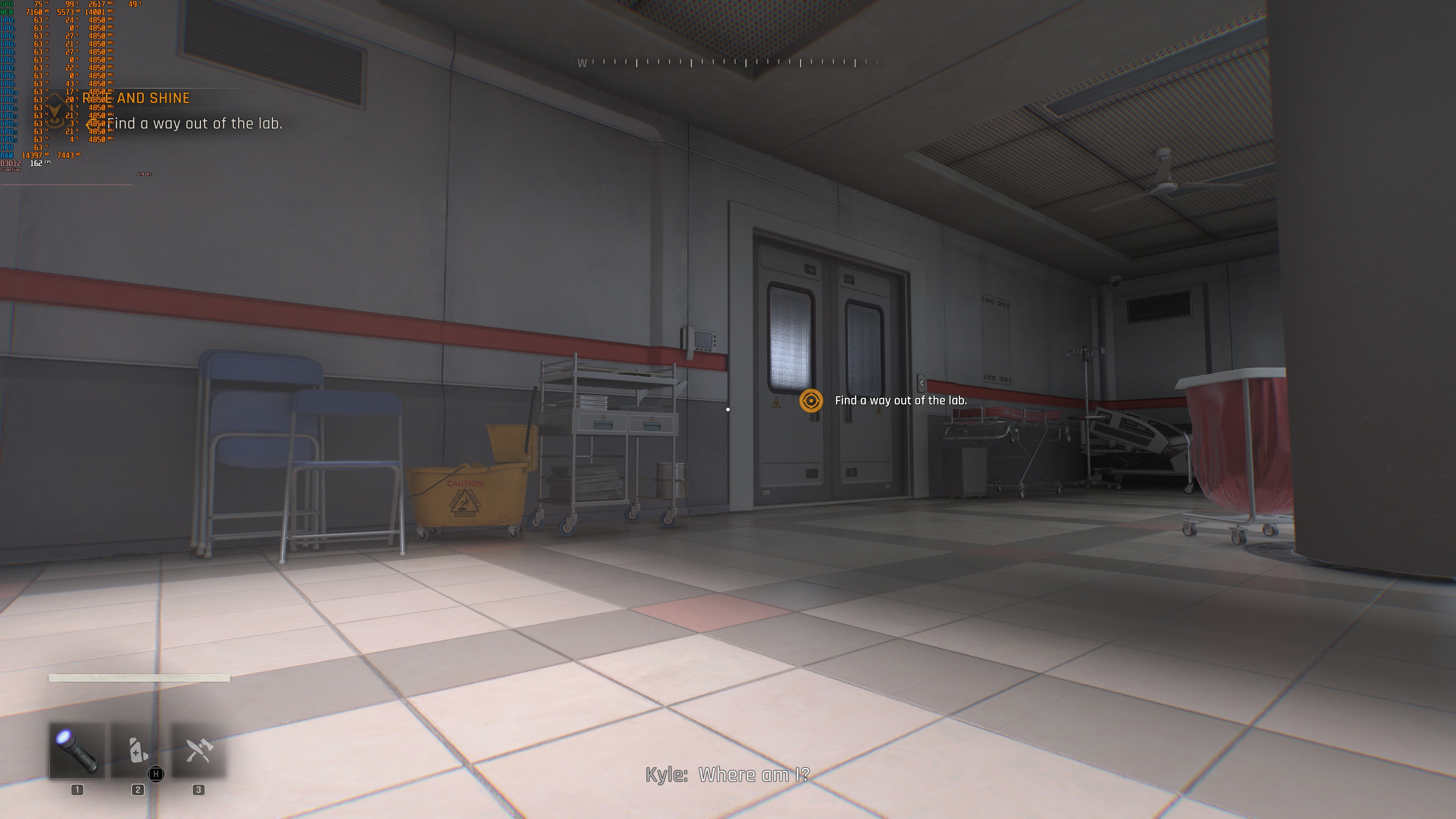
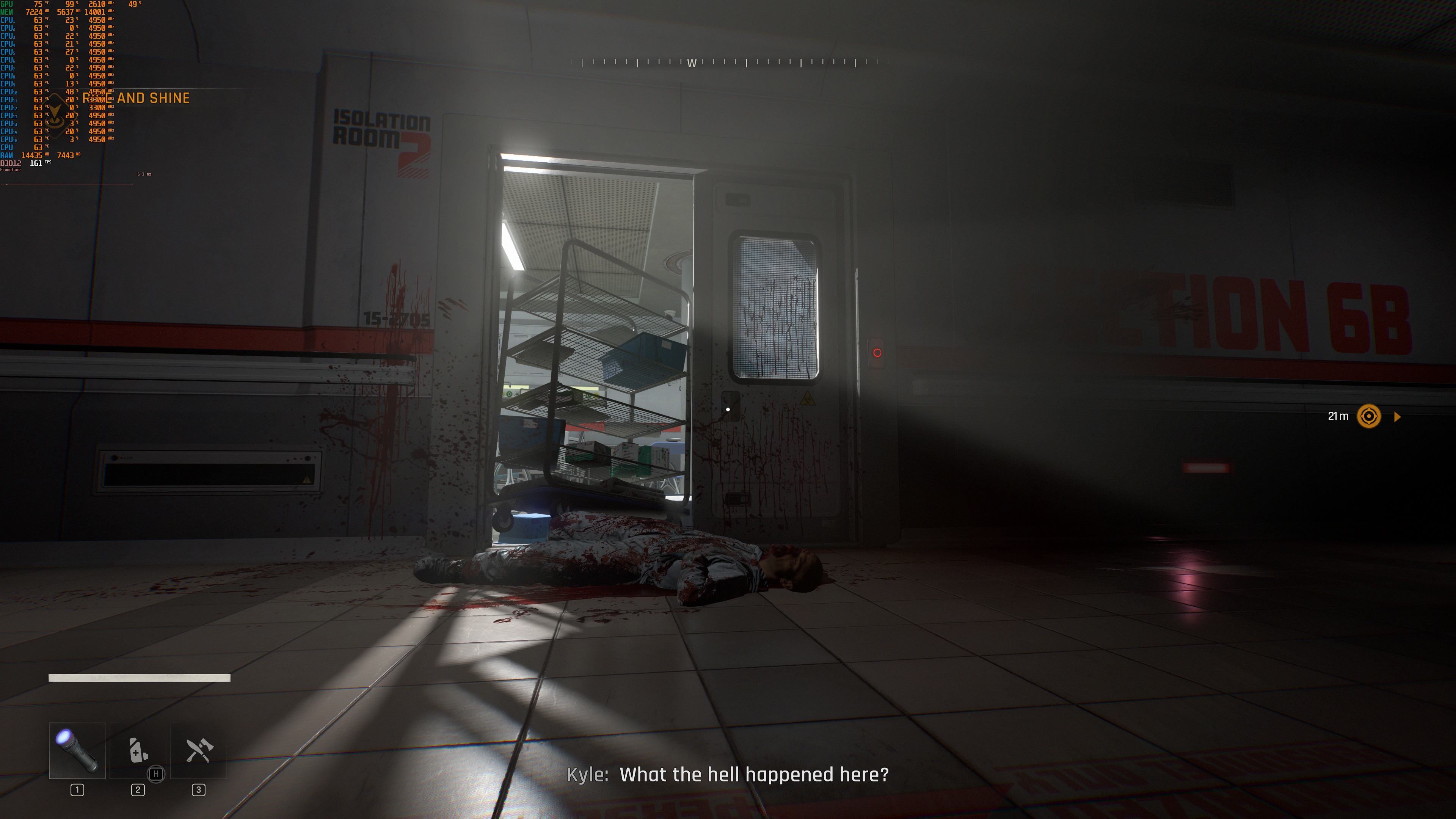
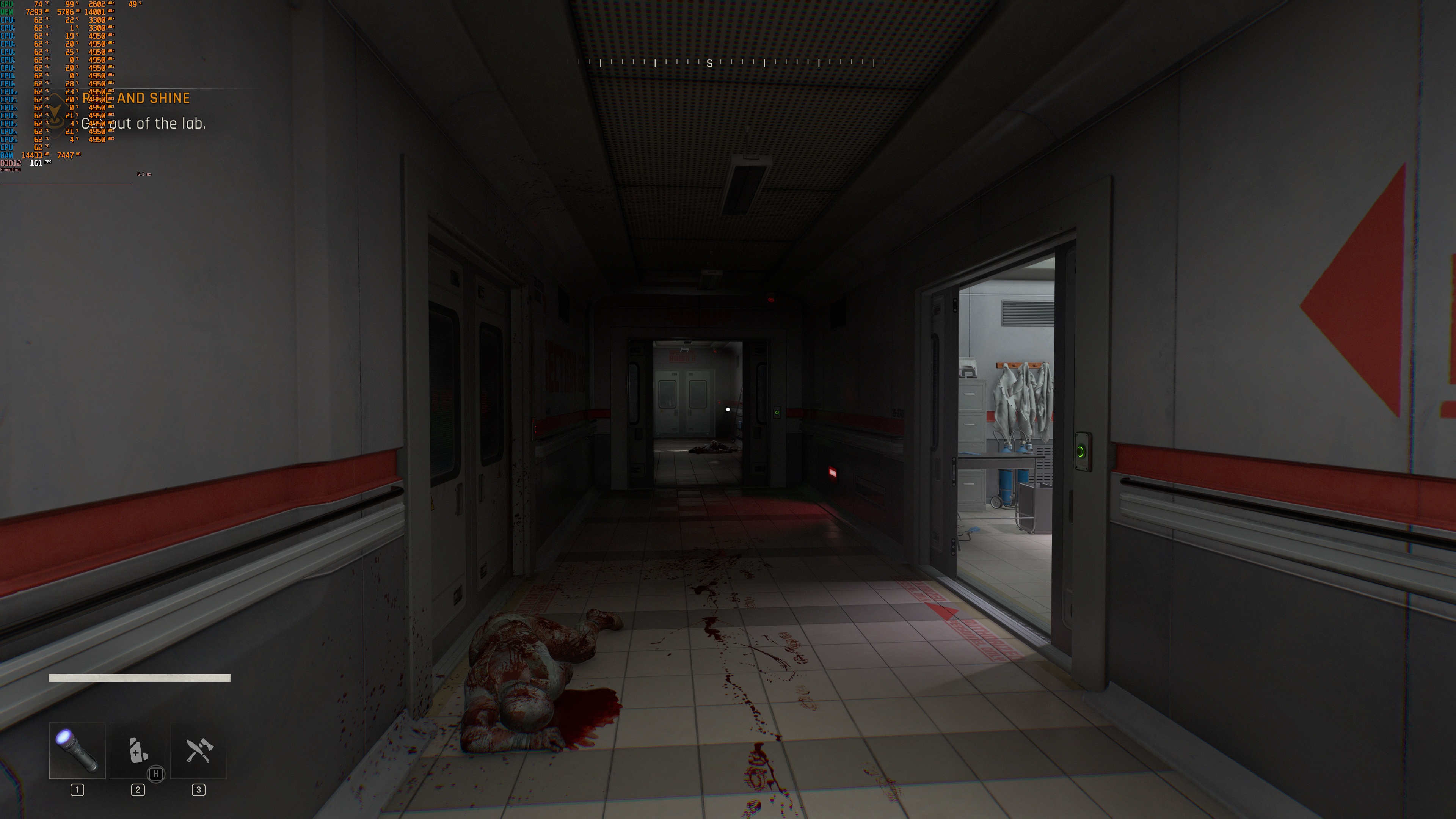
As you can see below, this scene runs with 82FPS on the NVIDIA RTX 5090. So, this will be the area I’ll use for our upcoming PC Performance Analysis. This will give us a better idea of how the rest of the game will run.

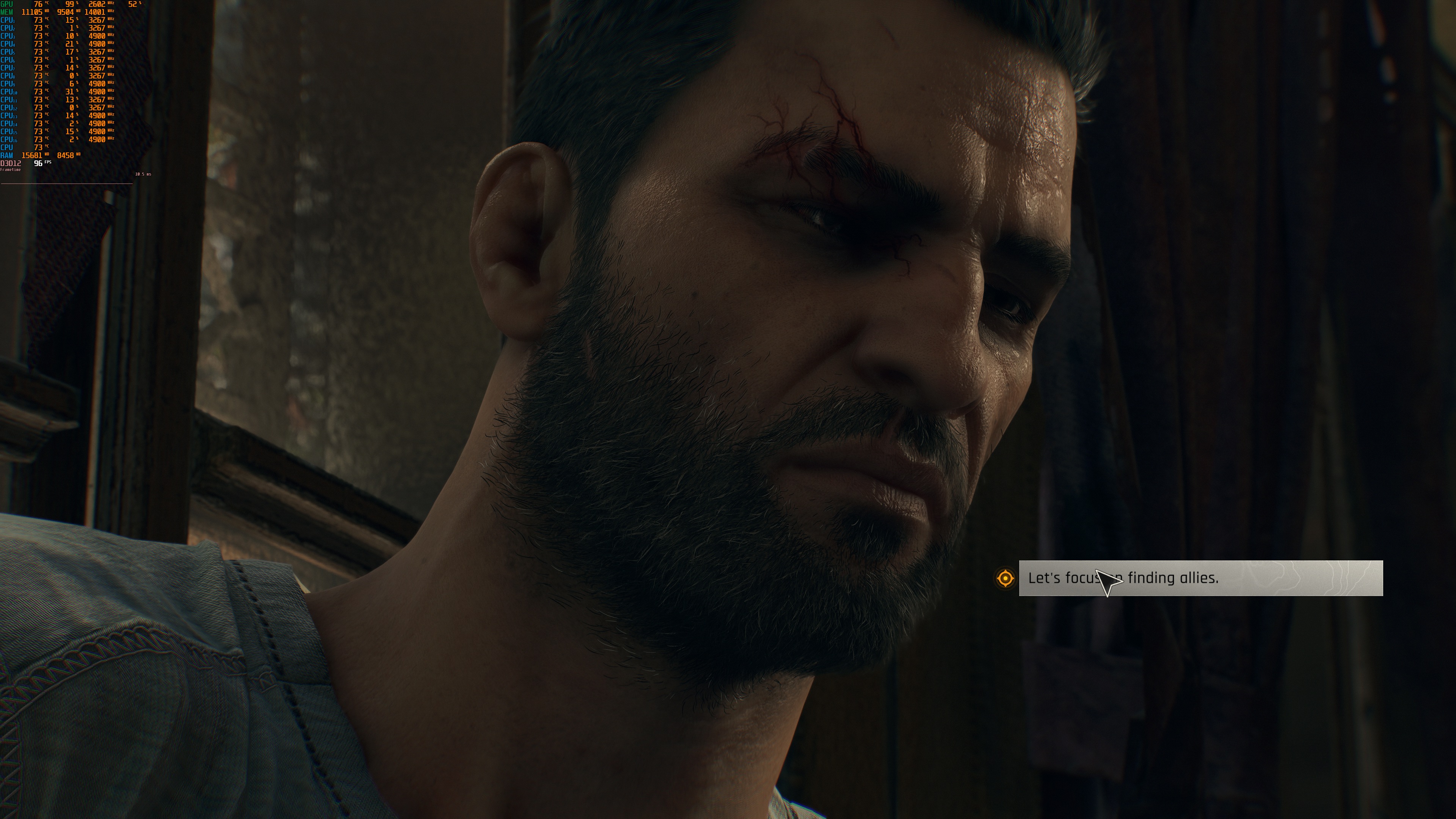
For a rasterized game, Dying Light: The Beast looks great. However, it suffers from major pop-in issues. The lighting can also feel a bit underwhelming at times. In other words, the game will most likely greatly benefit from its upcoming RT update. On top of that, the 3D models of all main characters cannot match the ones we’ve seen in some other games, like Metal Gear Solid Delta: Snake Eater.
Overall, my first performance impressions of Dying Light: The Beast are positive. I did not experience any major stutters, and the game felt great. There is also support for DLSS 4 and FSR 4.0 and Intel XeSS 2.0 for those who do not own a high-end GPU.
Now, I know I’m using an RTX 5090 here. So, it will be interesting to see how the game runs on less powerful GPUs. Still, first impressions appear to be positive. The game also has Very Positive reviews on Steam. If it had major performance issues, it would have Mixed or Mostly Negative reviews.
Our PC Performance Analysis will go live later this week. So, stay tuned for more!







John is the founder and Editor in Chief at DSOGaming. He is a PC gaming fan and highly supports the modding and indie communities. Before creating DSOGaming, John worked on numerous gaming websites. While he is a die-hard PC gamer, his gaming roots can be found on consoles. John loved – and still does – the 16-bit consoles, and considers SNES to be one of the best consoles. Still, the PC platform won him over consoles. That was mainly due to 3DFX and its iconic dedicated 3D accelerator graphics card, Voodoo 2. John has also written a higher degree thesis on the “The Evolution of PC graphics cards.”
Contact: Email