
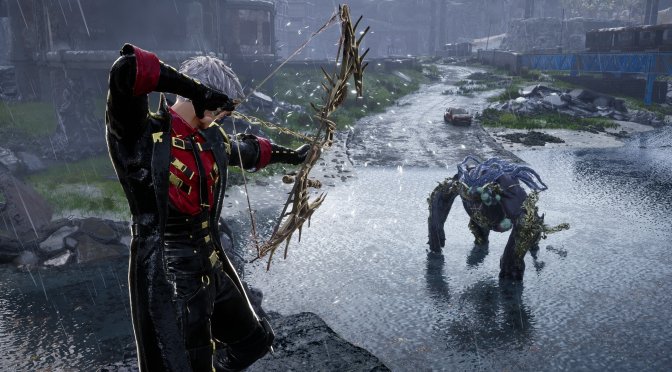
Last week, Bandai Namco released its new anime Souls-like game, CODE VEIN 2. Powered by Unreal Engine 5.4.4.0, it’s time now to benchmark it and examine its performance on PC.
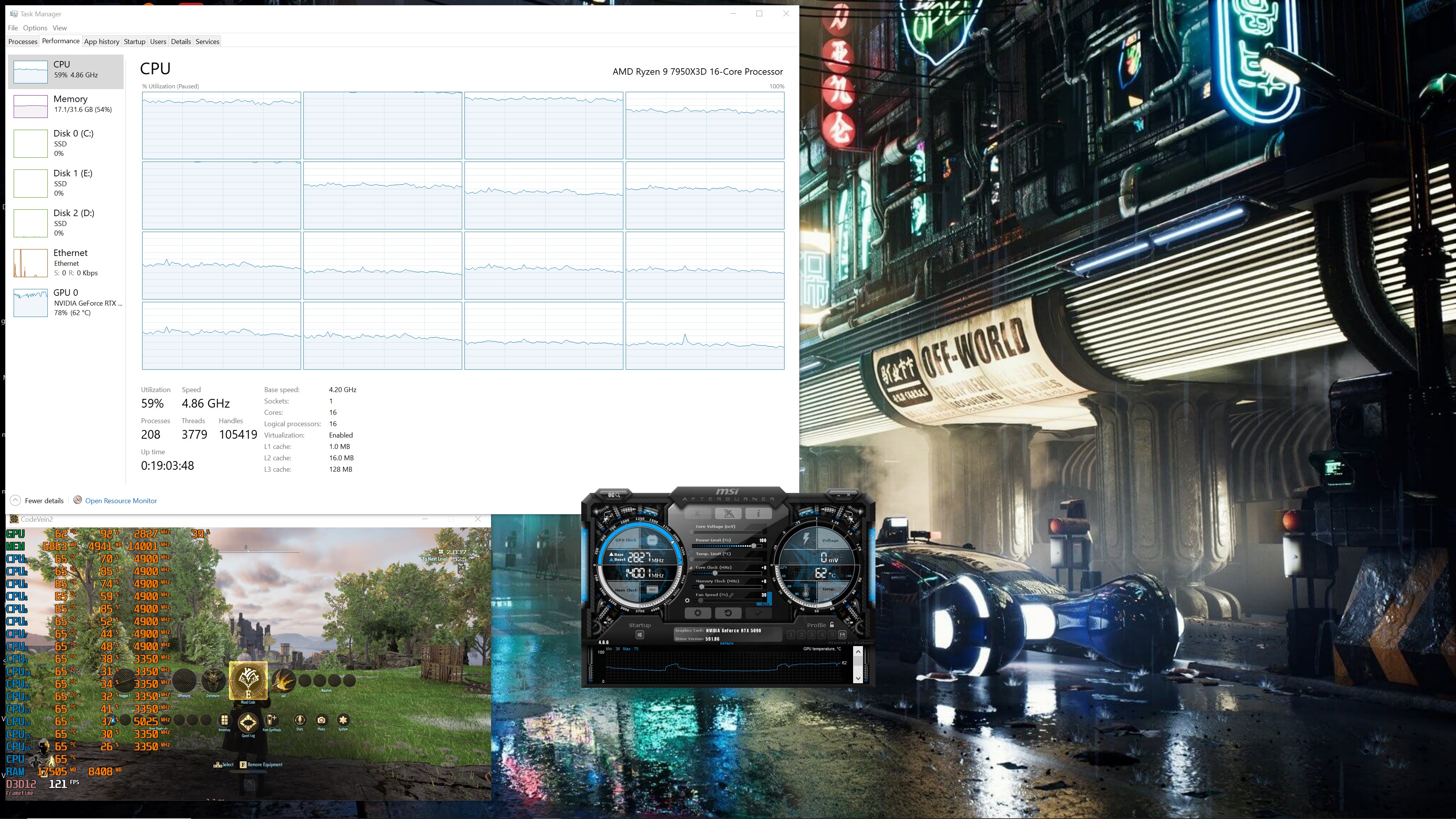
For our benchmarks, I used an AMD Ryzen 9 7950X3D, 32GB of DDR5 at 6000Mhz, AMD’s Radeon RX 6900XT, RX 7900XTX, RX 9070XT, as well as NVIDIA’s RTX 2080Ti, RTX 3080, RTX 4090, RTX 5080, and RTX 5090. I also used Windows 10 64-bit, the GeForce 591.86, and the Radeon Adrenalin Edition 26.1.1 drivers.
Bandai Namco has included a few graphics settings to tweak. PC gamers can adjust the quality of Textures, Global Illumination, Shadows, and more. The game is using Unreal Engine 5.4.4. There is also support for NVIDIA DLSS and AMD FSR. However, there is no support for Frame Gen or Reflex.
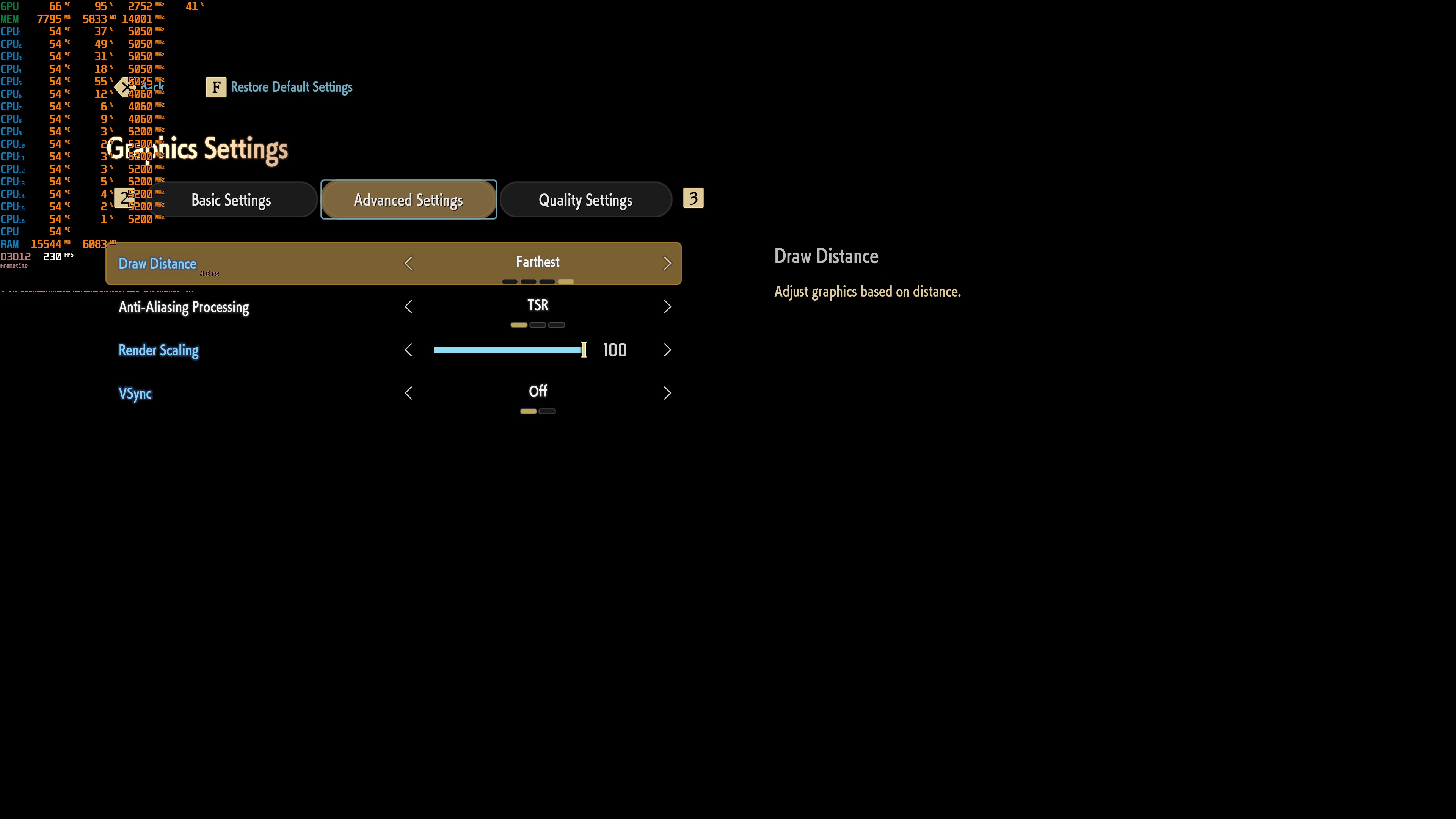
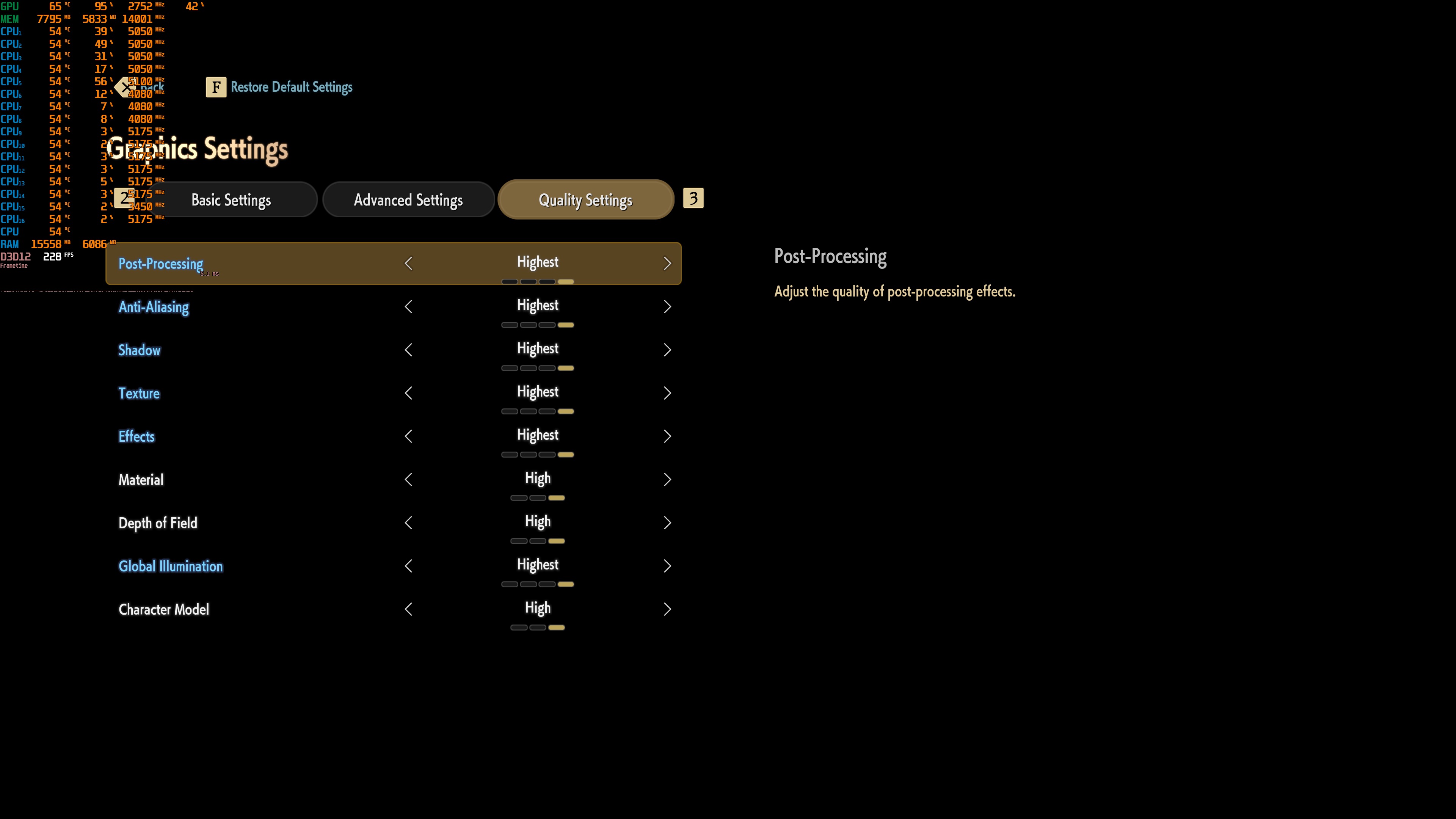
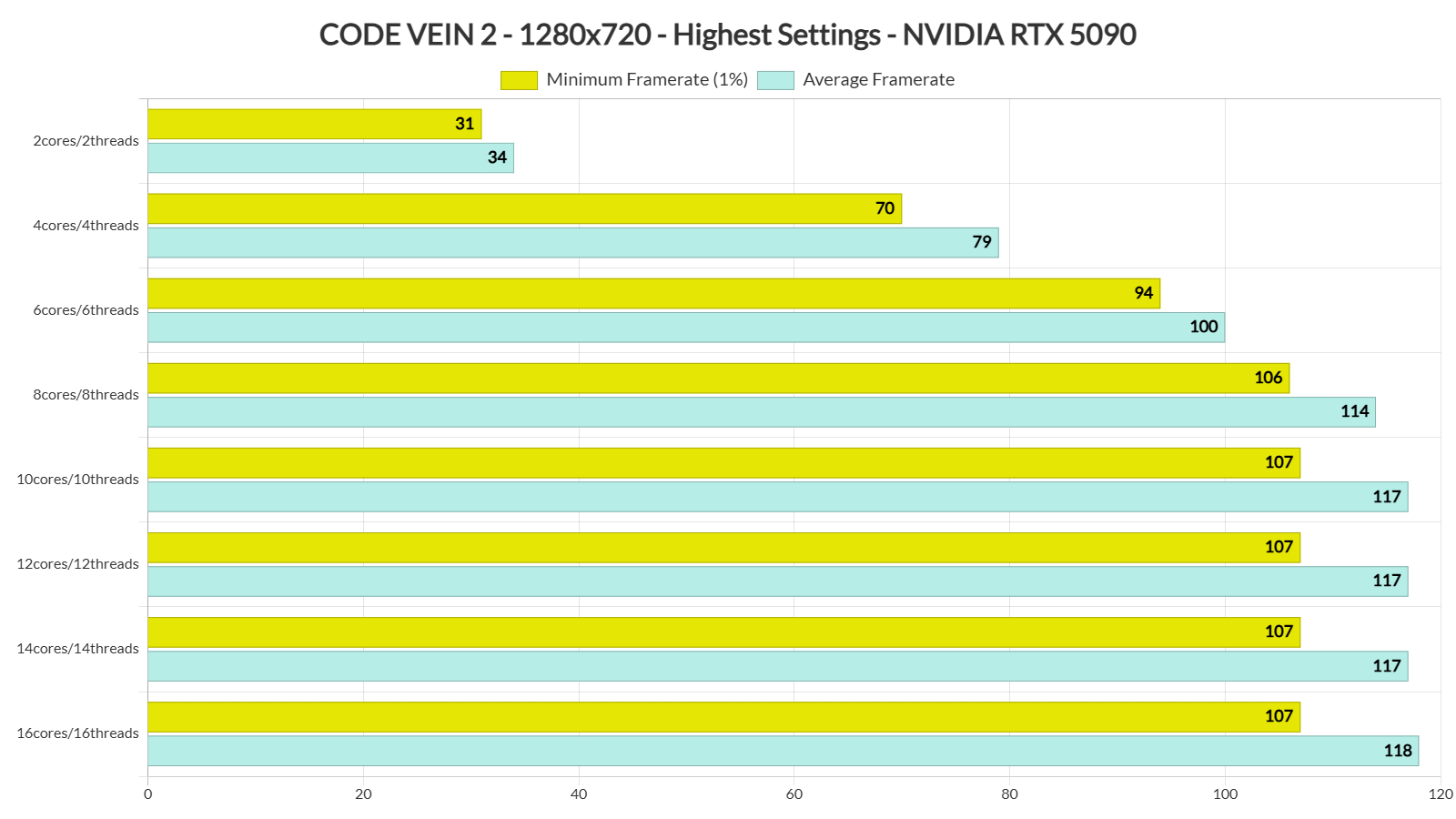
For our CPU benchmarks, I lowered the resolution to 720p (but kept using the Highest Settings). This will remove any possible bottleneck from the GPU. We also simulated numerous CPU configurations to see how the game scales on multiple CPU cores/threads. And we have at least some good news for those with somewhat weak CPUs.
CODE VEIN 2 is a GPU-bound title and does not require a high-end CPU. That is, of course, if your CPU is based on a modern architecture. At 720p/Highest settings, we were getting a minimum of 108FPS and an average of 117FPS. From what we can see, the game uses six to eight CPU cores/threads. What’s also interesting is that our simulated dual-core system was able to run the game without any major stutters. Yes, you get a 30FPS experience. But hey, at least it’s not a stutter fest.
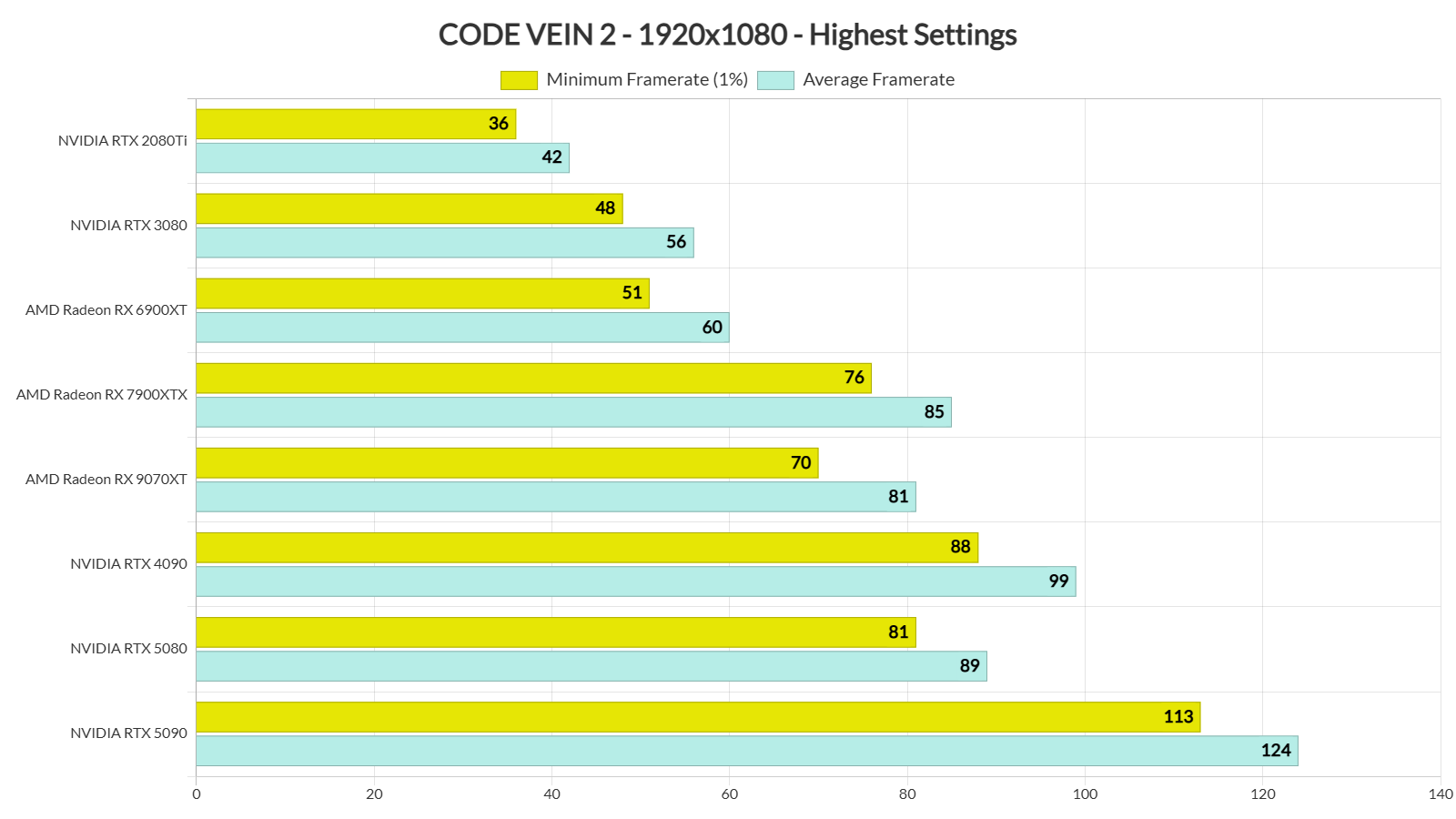
At 1080p/Highest Settings, our top five GPUs were able to provide framerates over 60FPS at all times. The NVIDIA RTX 3080 and the AMD Radeon RX 6900XT were unable to provide a smooth gaming experience. The RX 9070XT was also slower than the NVIDIA RTX 5080. However, the AMD Radeon RX 7900XTX came close to the performance of the NVIDIA RTX 5080.
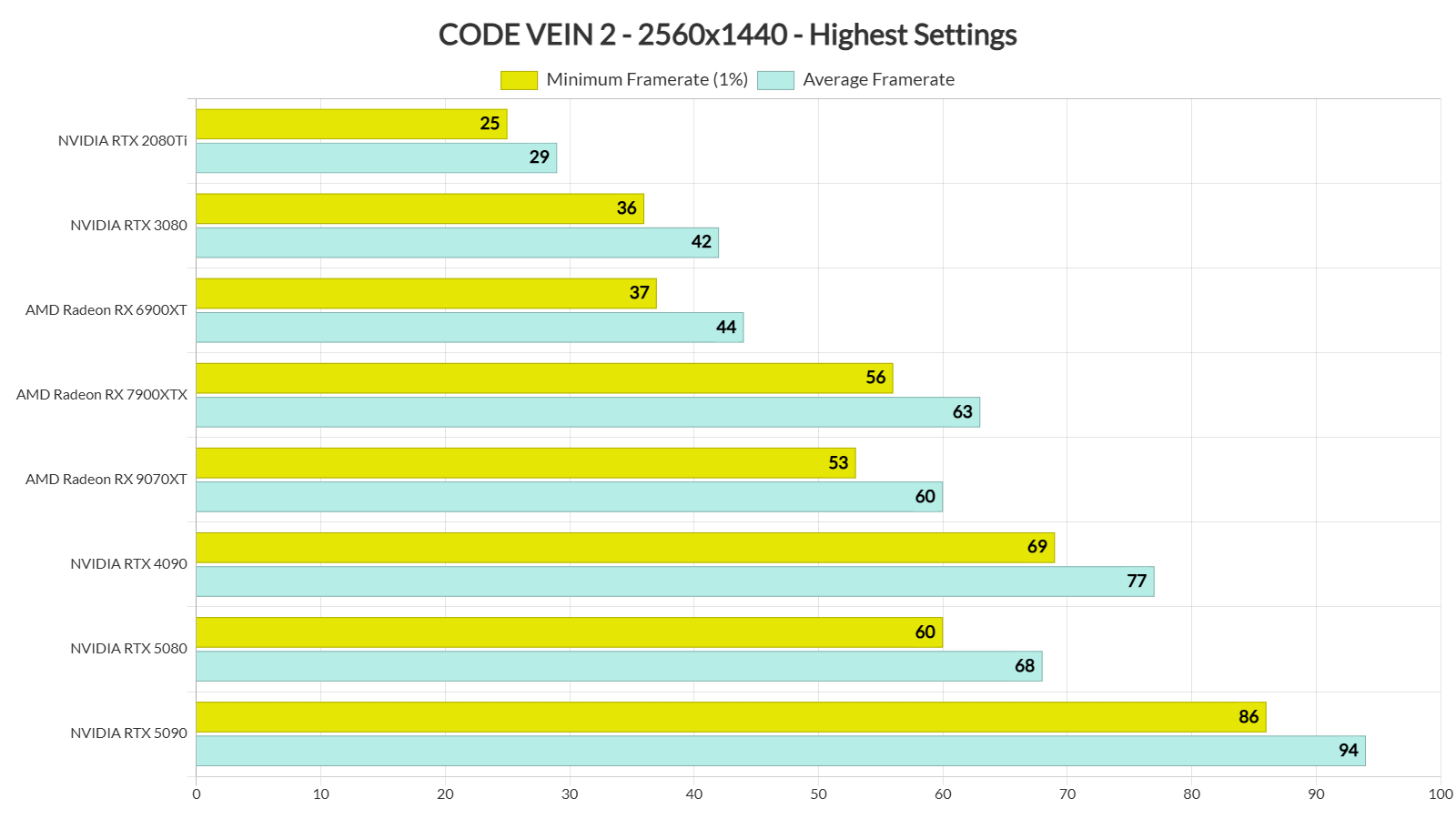
At 1440p/Highest Settings, the only GPUs that were able to provide a constant 60FPS experience were the NVIDIA RTX 5080, RTX 4090 and the RTX 5090. The AMD GPUs were frequently dropping below 60FPS. However, if you own a FreeSync monitor, you might be able to get a smooth experience with the AMD Radeon RX 7900XTX.
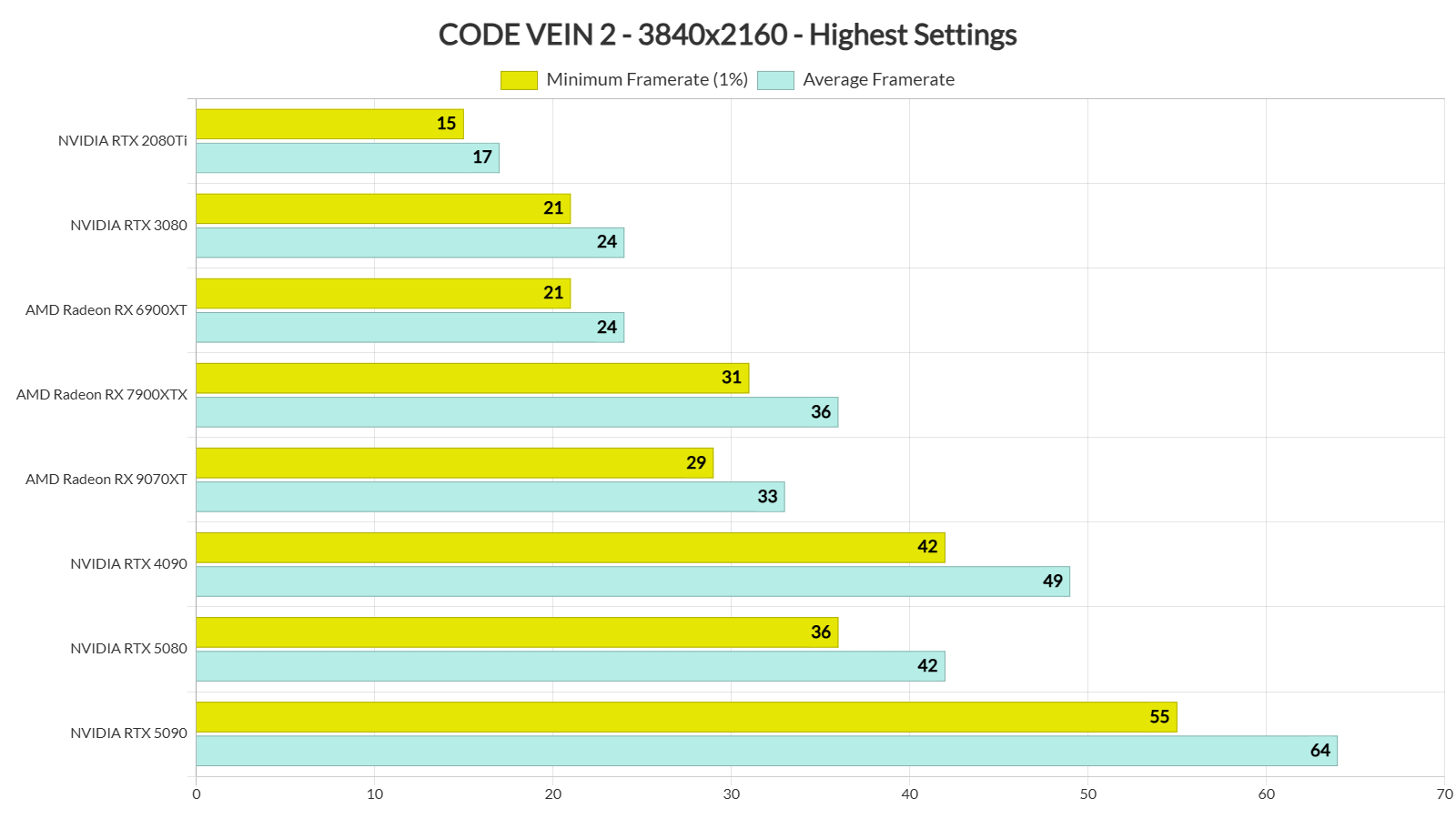
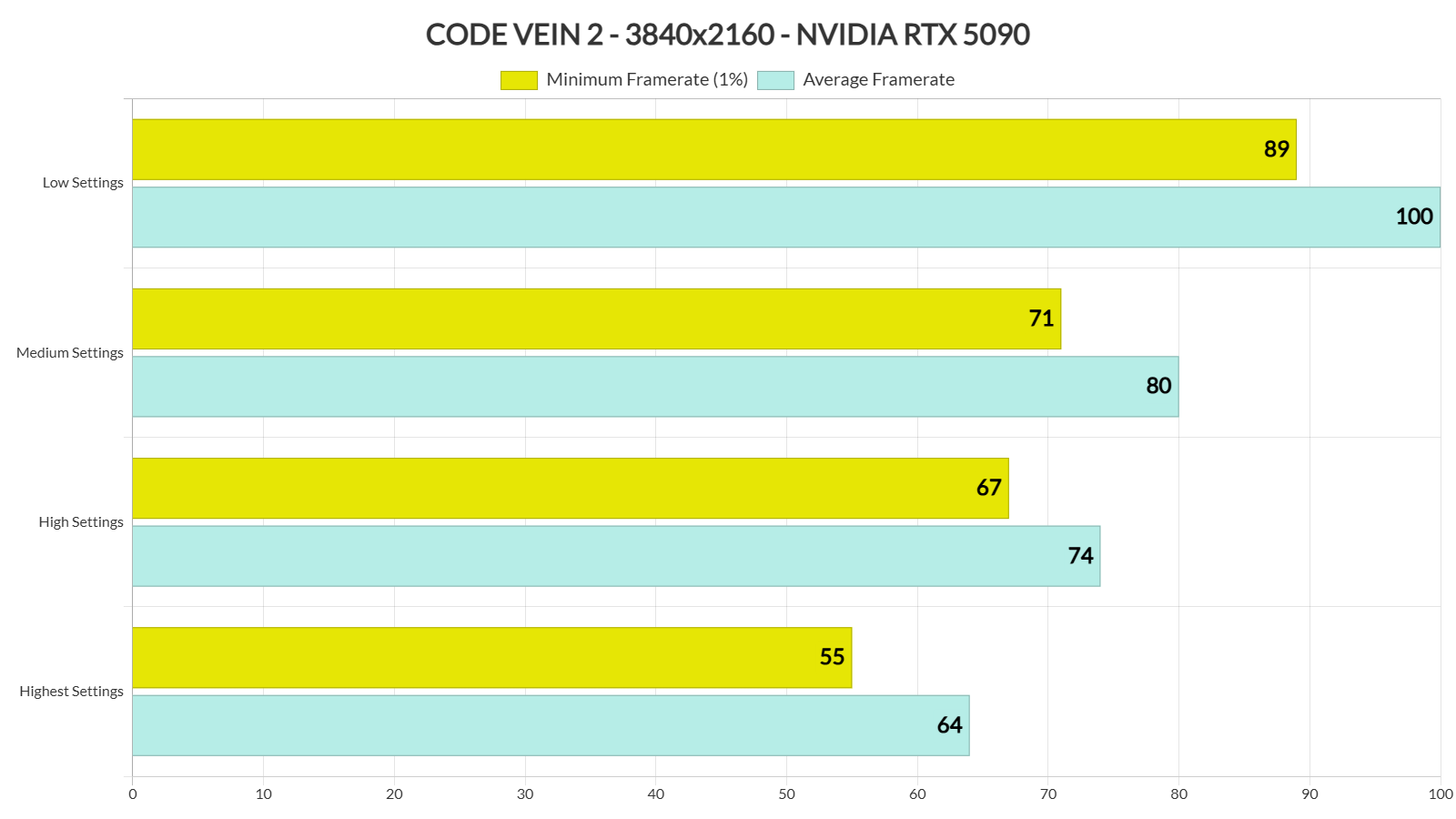
As for Native 4K on the Highest Settings, there is no GPU that can push framerates over 60FPS at all times. Since this is an Unreal Engine 5 game, which is most likely using Lumen, this is to be expected. So, at Native 4K, the NVIDIA RTX 5090 can push a minimum of 55FPS and an average of 64FPS.
But what about the other graphics presets? By lowering our settings to High, we were able to get a minimum of 67FPS and an average of 84FPS on the NVIDIA RTX 5090 at Native 4K. Dropping the settings to Medium resulted in a very small performance boost. Then, by lowering our settings all the way to Low, we were able to get framerates between 89-100FPS.
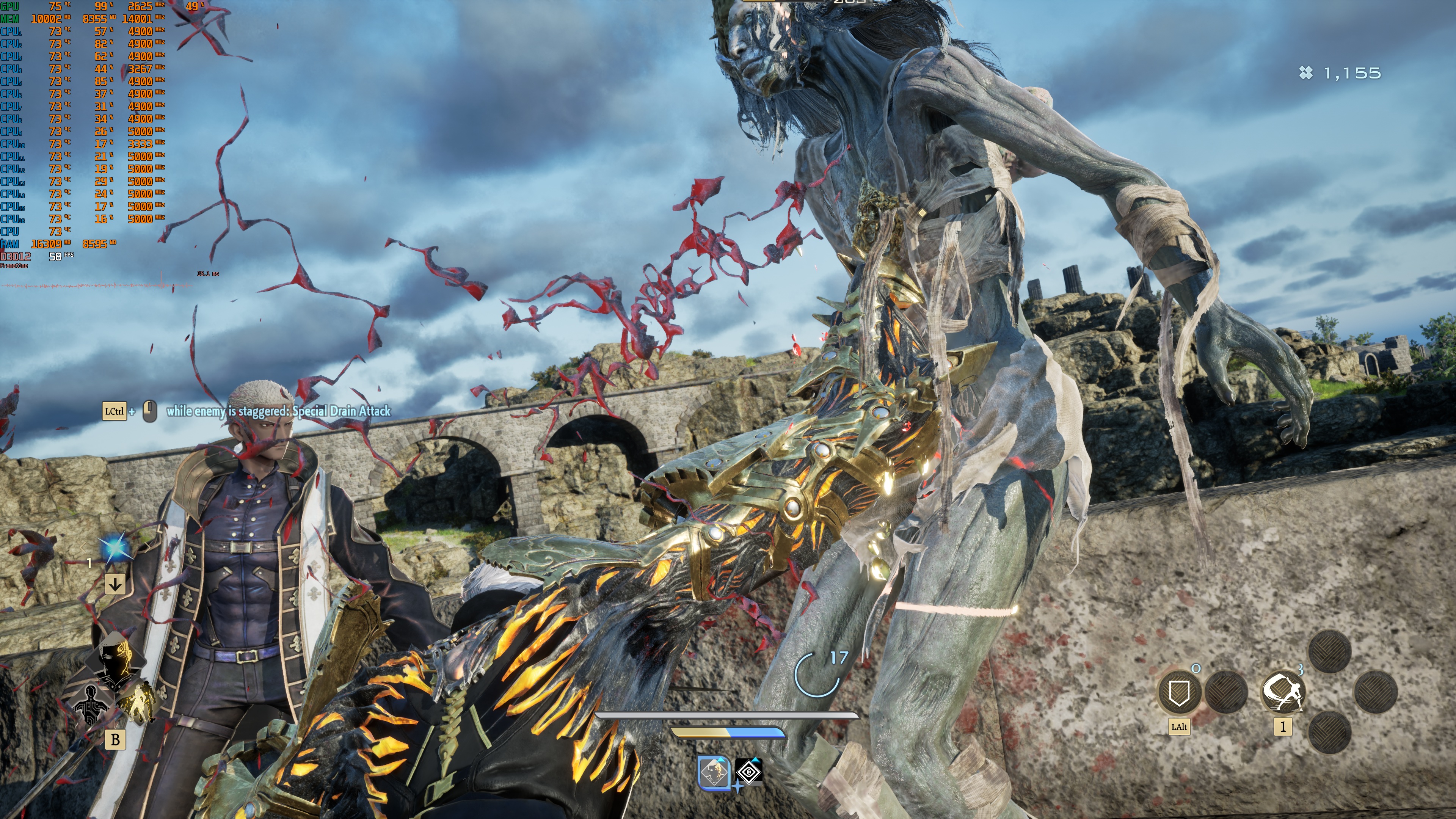
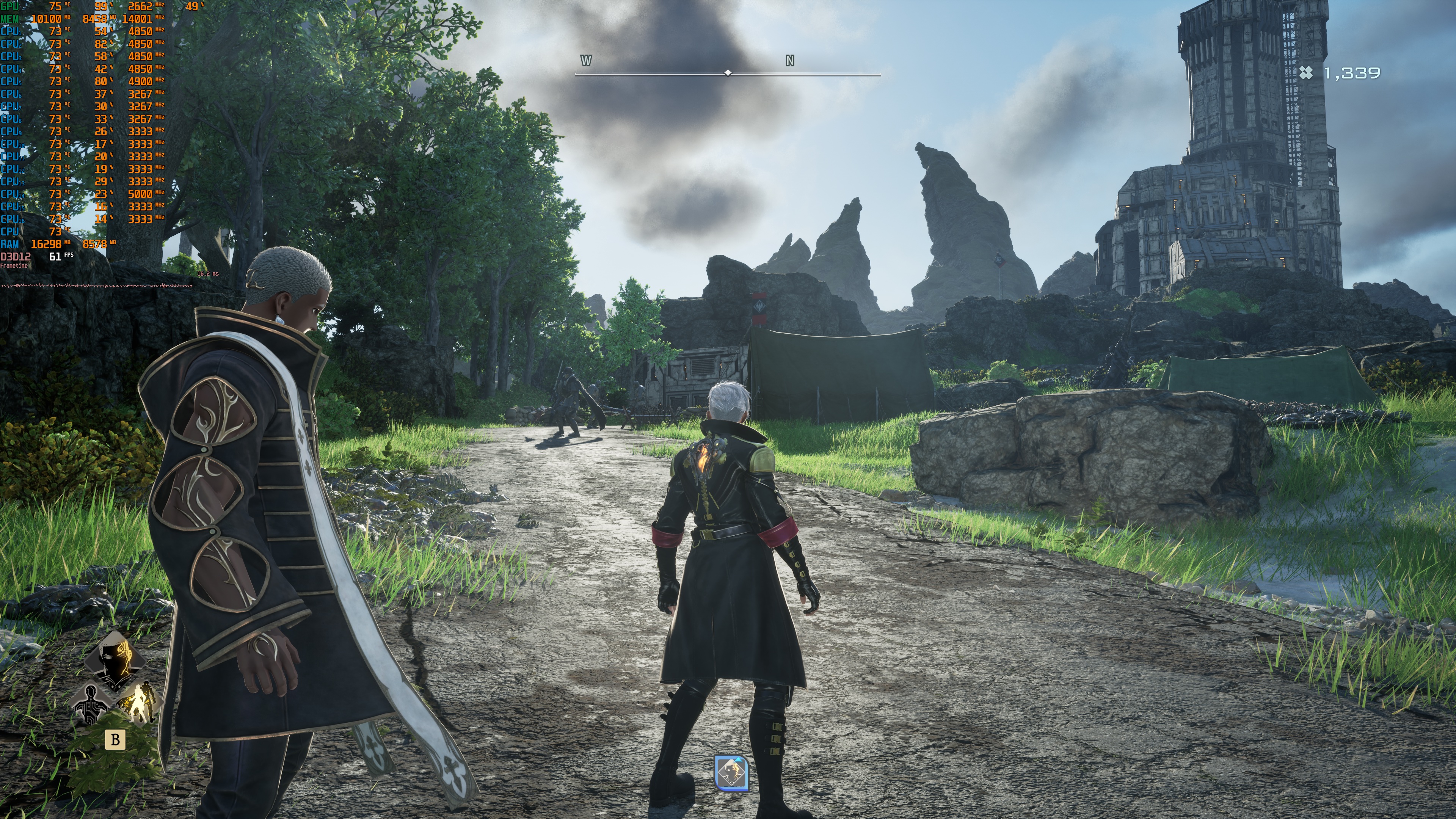
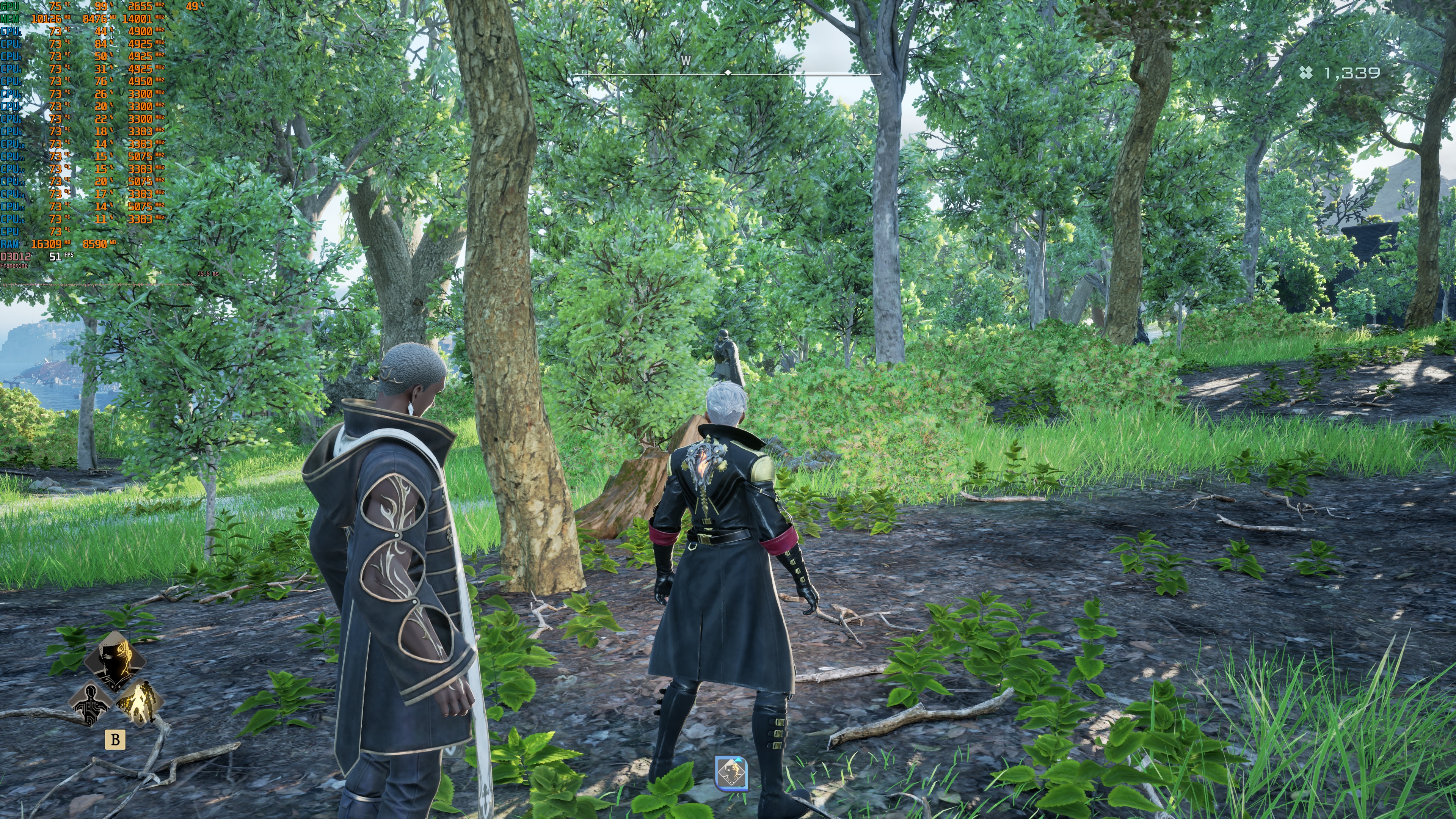
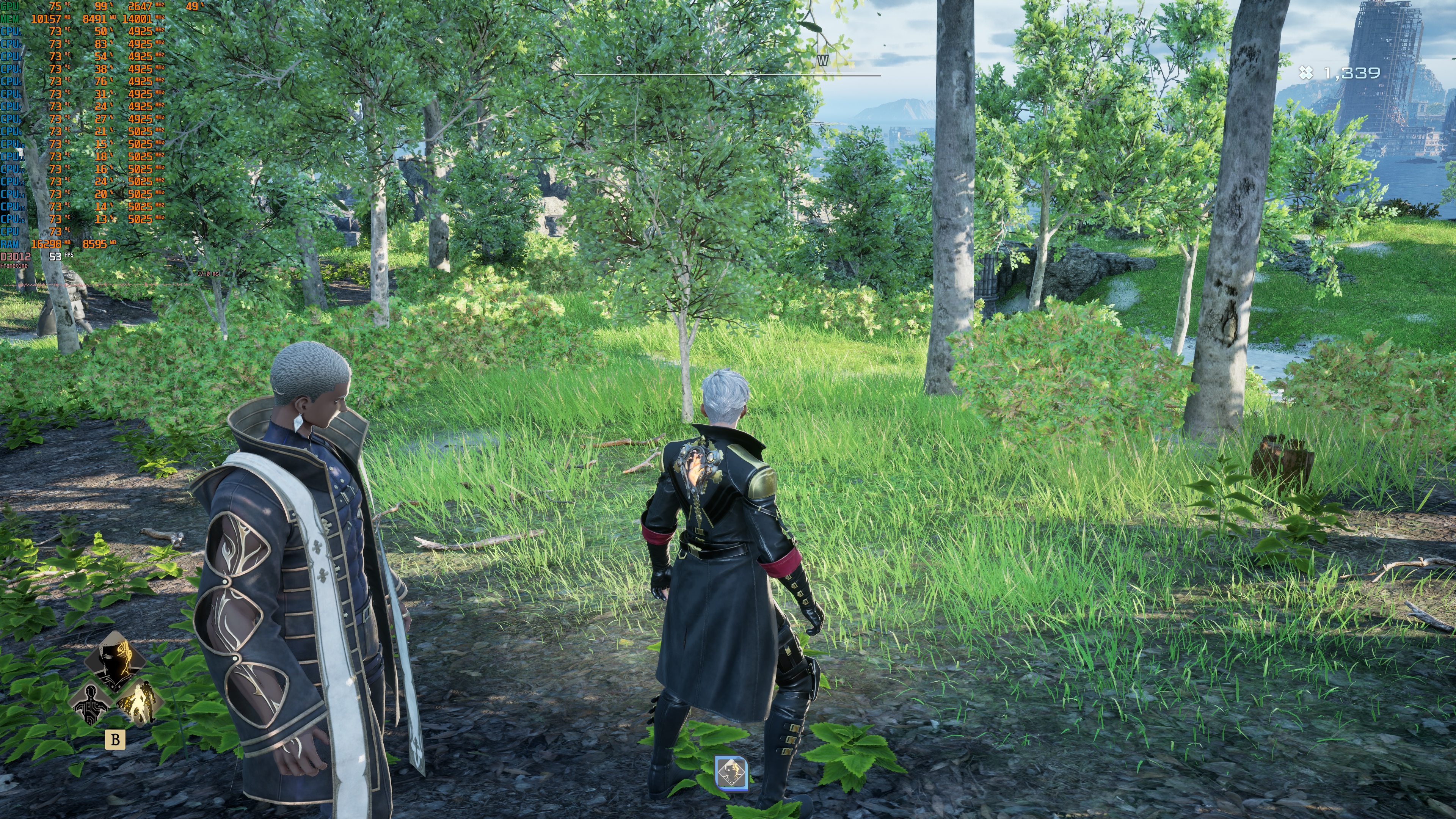
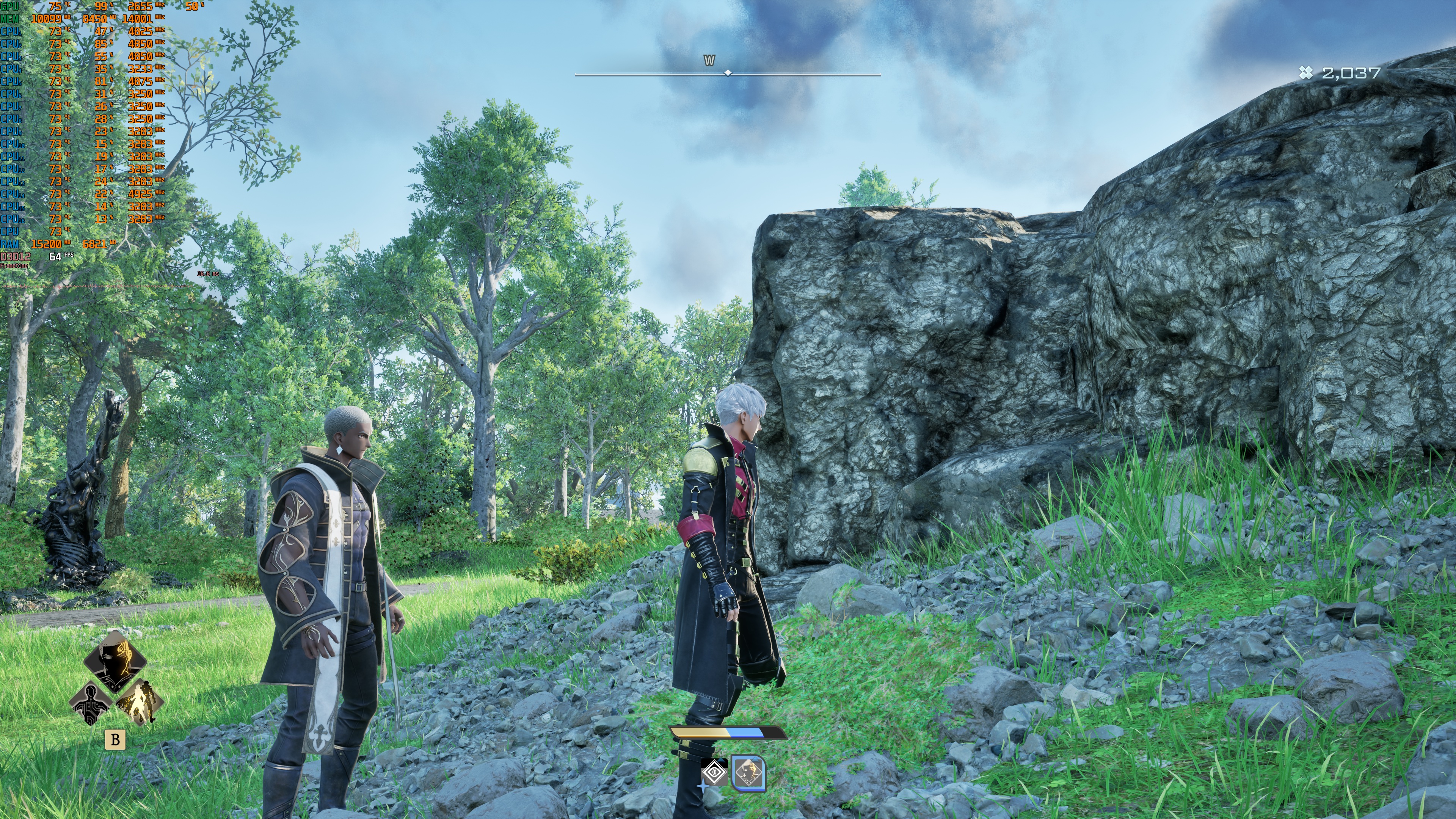
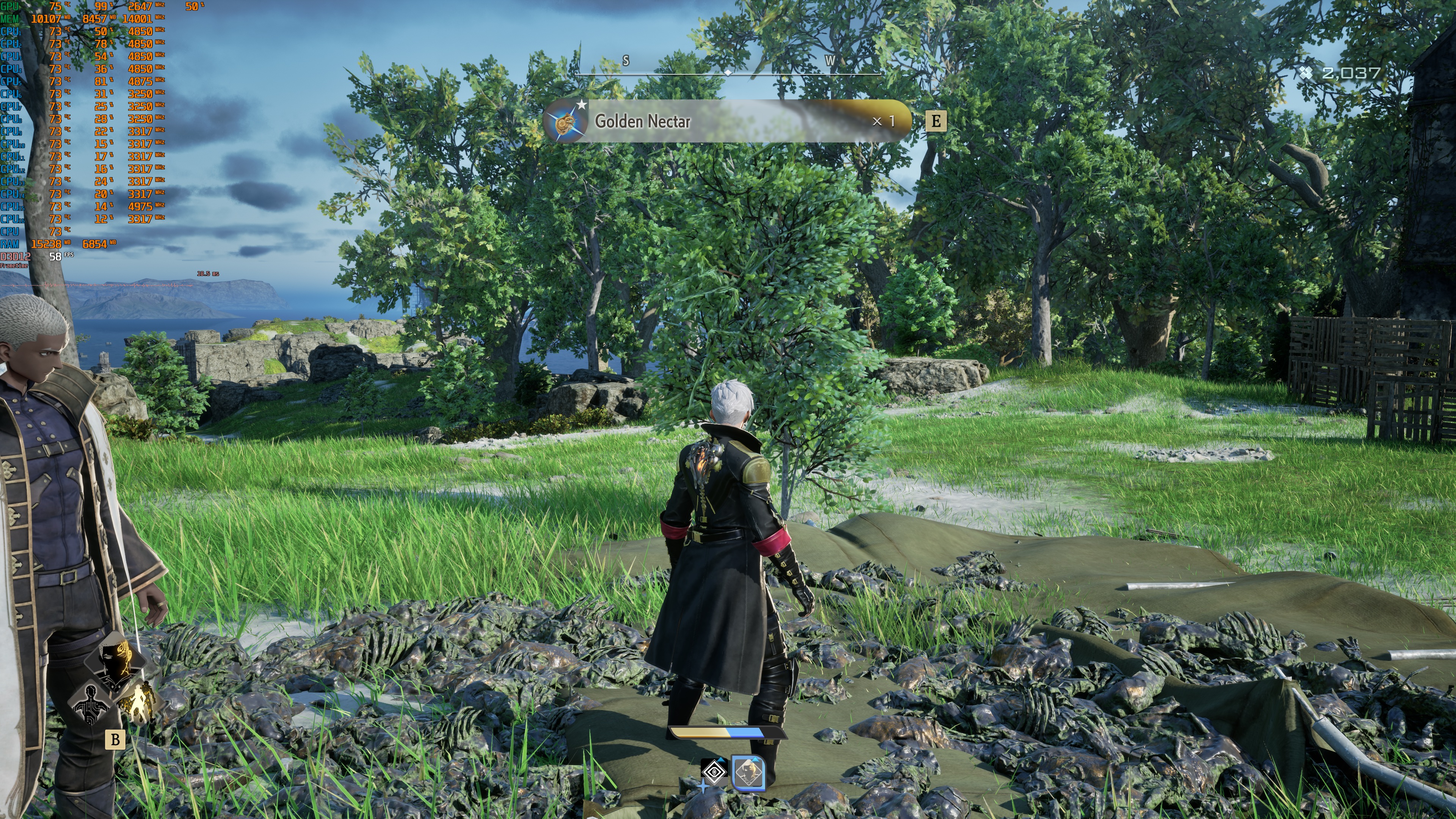
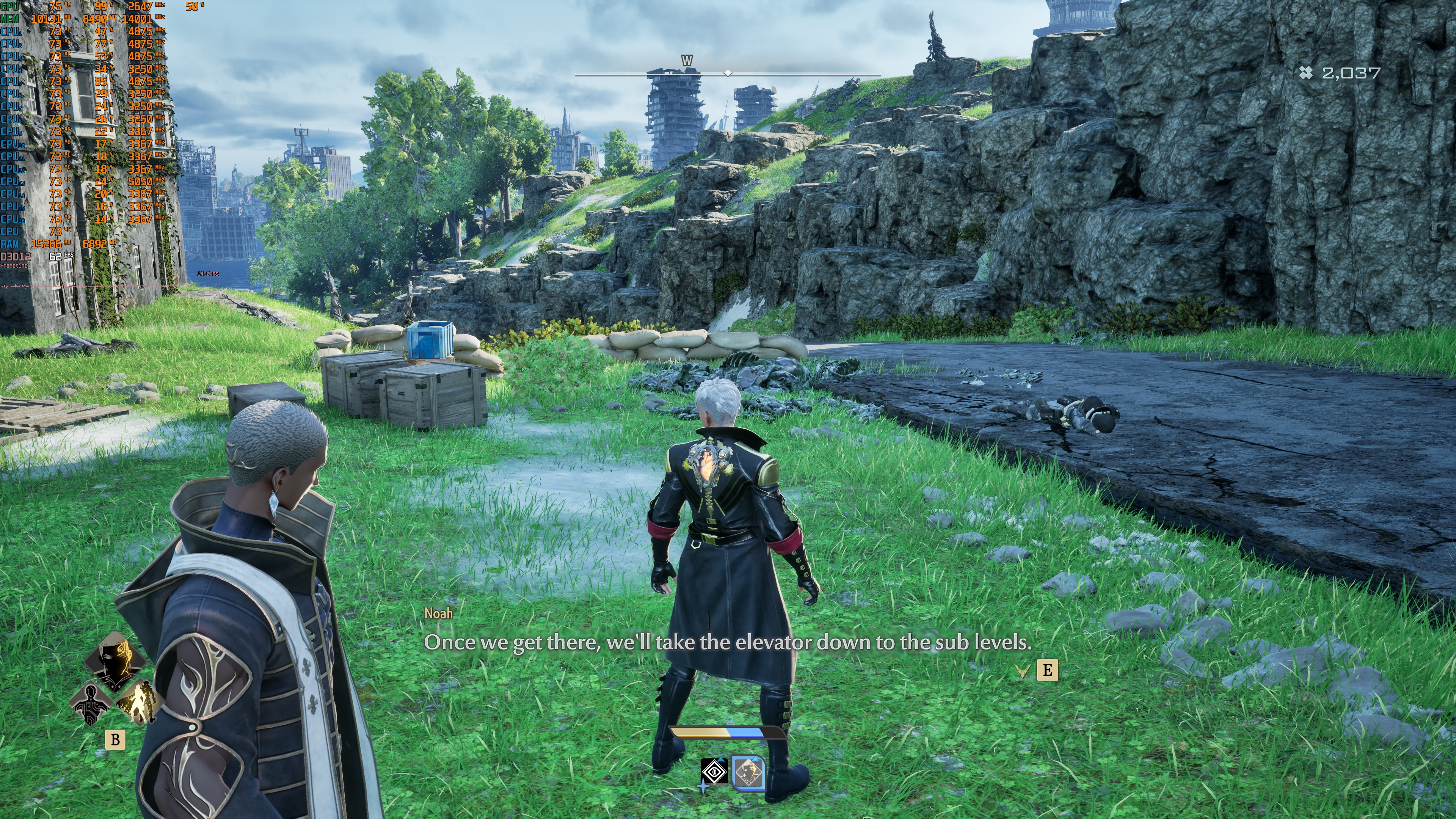
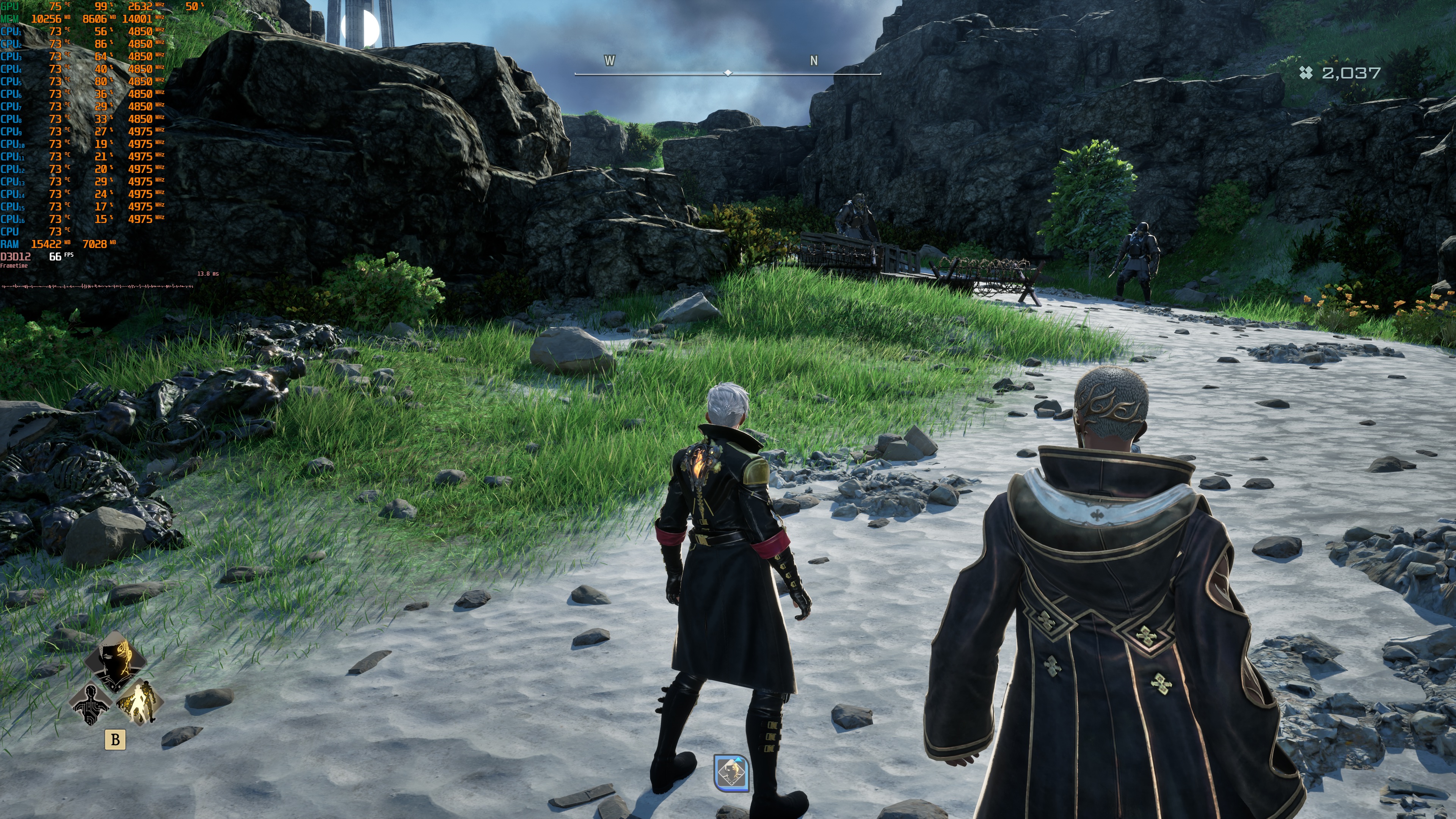
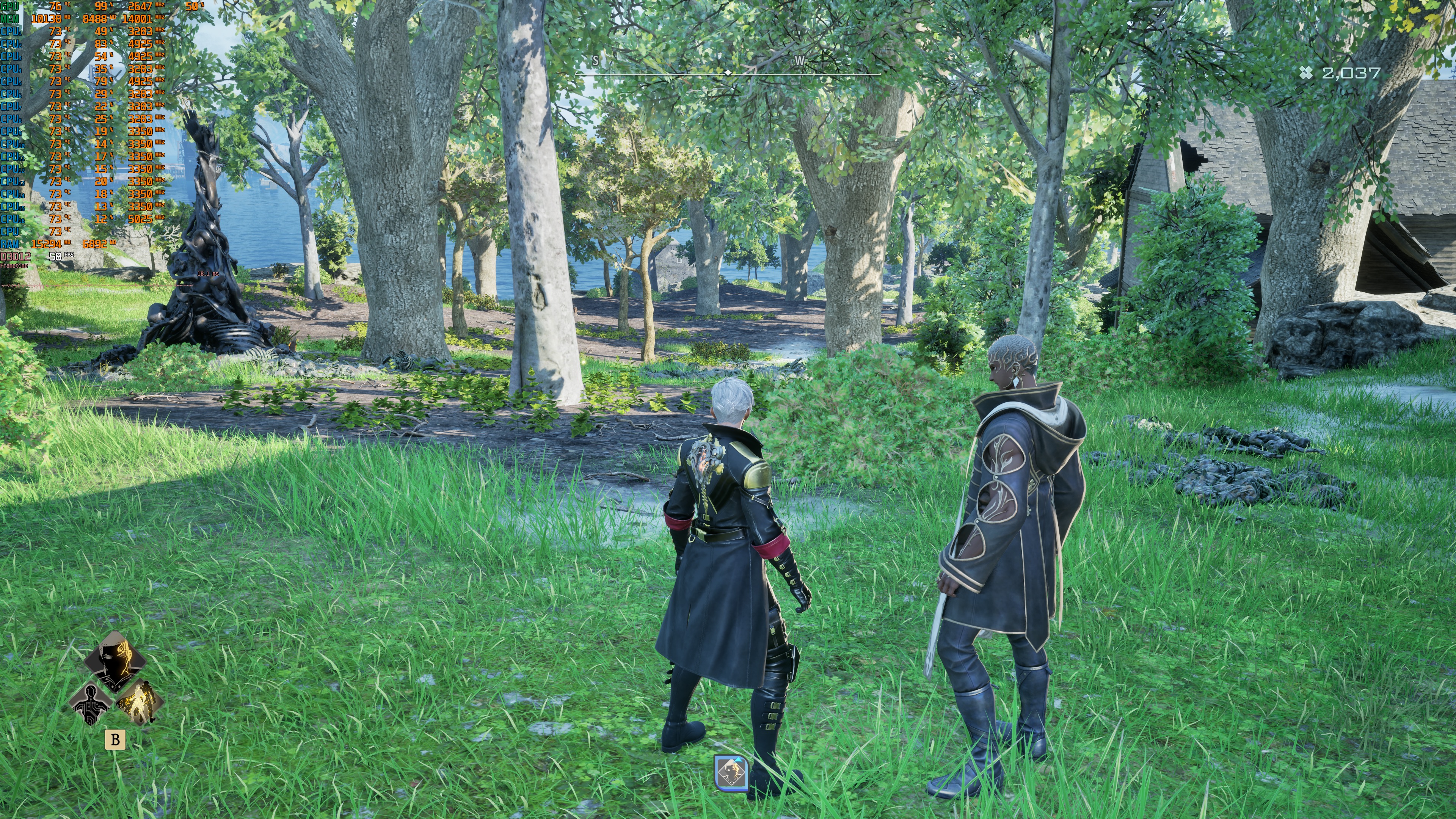
So, the performance isn’t great — but what about the graphics? Do they make the high PC requirements worth it? Sadly, no. As I said in a previous article, this is one of the worst-looking Unreal Engine 5 games I’ve seen so far. CODE VEIN 2 has a dynamic day/night cycle, and you’d expect the lighting to always look good thanks to Lumen. But the lighting is actually broken in many areas. There are also some really bad flickering shadow issues. Honestly, there is nothing particularly impressive here. I don’t see any real benefit from using UE5. And for a game that looks like this, the performance is just terrible.
Before closing, I should note that I did see a few traversal stutters here and there. These aren’t as bad as those we saw in Oblivion Remastered or the launch versions of MindsEye and Echoes of the End. Thankfully, the game does not have any shader compilation stutters. So, if you can brute-force your way, you will get a somewhat smooth experience.
All in all, CODE VEIN 2 is a big letdown. This game is very demanding, and its visuals do not justify the huge GPU requirements. I’m not exaggerating here. There are areas where CODE VEIN 2, on Max Settings, can look like a PS3 game. It’s obvious that the game needed more polish. So, I don’t know what Bandai Namco was thinking when it decided the game was in good enough shape to release. These lighting issues are inexcusable for a modern AAA game. Let’s hope the devs fix them in a future update. For the time being, if you don’t own a high-end PC system to brute-force your way through the game, I suggest staying away from it!

John is the founder and Editor in Chief at DSOGaming. He is a PC gaming fan and highly supports the modding and indie communities. Before creating DSOGaming, John worked on numerous gaming websites. While he is a die-hard PC gamer, his gaming roots can be found on consoles. John loved – and still does – the 16-bit consoles, and considers SNES to be one of the best consoles. Still, the PC platform won him over consoles. That was mainly due to 3DFX and its iconic dedicated 3D accelerator graphics card, Voodoo 2. John has also written a higher degree thesis on the “The Evolution of PC graphics cards.”
Contact: Email